Healthy Snack Comparison Tool
Compare popular Indian snacks by their nutritional values and health impact. Based on the article "Are Rice Cakes Healthy? The Real Truth About This Popular Indian Snack".
Nutritional Comparison
| Calories | Carbs (g) | Fiber (g) | Sodium (mg) | Recommendation |
|---|
When you’re craving something light, crunchy, and quick, rice cakes often feel like the obvious choice. Especially in India, where snacks need to be easy to carry, cheap, and non-greasy, rice cakes have become a go-to for office workers, students, and health-conscious families. But here’s the question no one asks out loud: Are rice cakes healthy? The answer isn’t as simple as ‘yes’ or ‘no’-and if you’re eating them thinking they’re a guilt-free snack, you might be surprised.
What exactly are rice cakes?
Rice cakes are made from puffed rice grains that are heated under pressure until they expand and bind together. In India, they’re often made from brown rice or sometimes white rice, then lightly salted or flavored with spices like cumin, black pepper, or even a hint of chili. You’ll find them in small shops near schools, in hospital canteens, and even in some packaged snack aisles. They’re marketed as a low-calorie alternative to chips or biscuits-but that’s where the marketing starts to stretch.
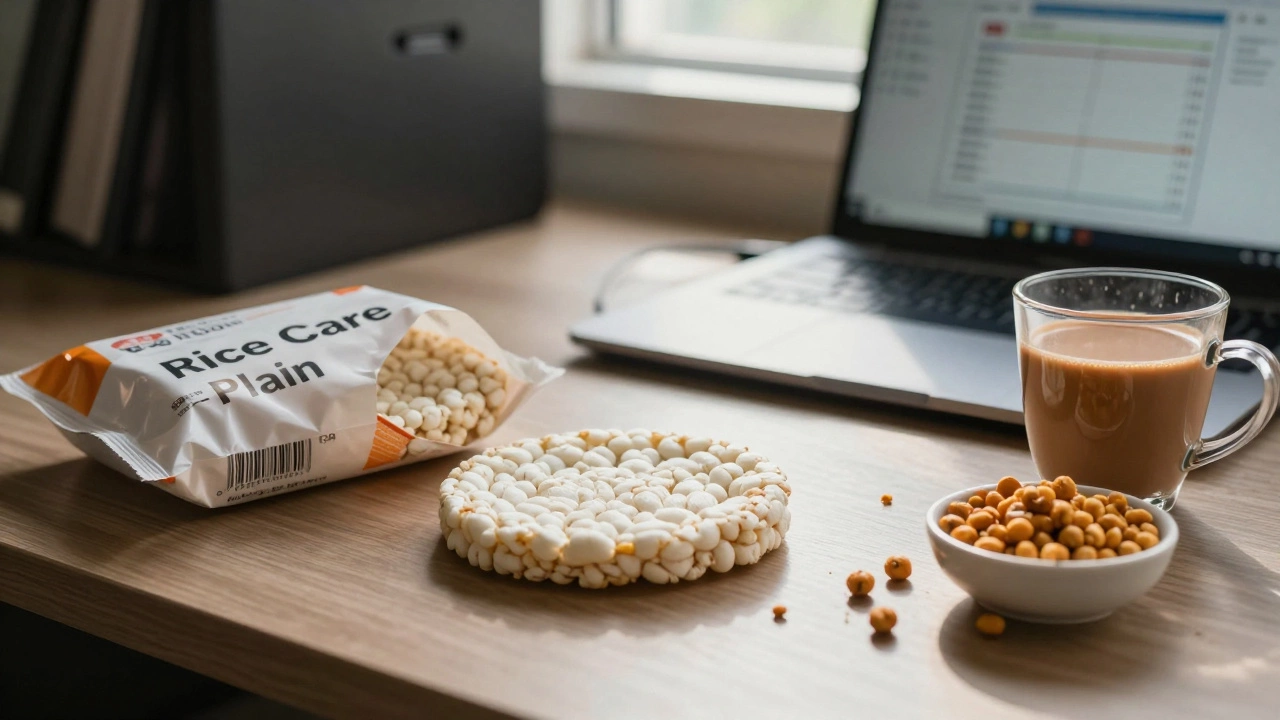
A single plain rice cake (about 10 grams) contains roughly 35 calories, 7 grams of carbs, less than 1 gram of fat, and under 1 gram of protein. Sounds clean, right? But here’s what’s missing: fiber, vitamins, and minerals. Most rice cakes are made from highly processed white rice, stripped of its bran and germ during milling. That means you’re mostly getting pure starch with very little nutritional backing.
How do rice cakes compare to other Indian snacks?
Let’s put rice cakes side by side with other common Indian snacks:
| Snack | Calories | Carbs (g) | Fiber (g) | Sugar (g) | Sodium (mg) |
|---|---|---|---|---|---|
| Rice cake (plain) | 105 | 21 | 0.3 | 0 | 150 |
| Roasted chana (chickpeas) | 120 | 15 | 5 | 0 | 5 |
| Murukku (traditional) | 140 | 18 | 1 | 0.5 | 180 |
| Whole grain poha | 110 | 22 | 1.5 | 1 | 20 |
| Plain potato chips | 150 | 15 | 1 | 0 | 170 |
Look at roasted chana. It has more protein, five times the fiber, and almost no added sodium. Poha, made from flattened rice, often includes peanuts, curry leaves, and turmeric-adding flavor and nutrients. Even traditional murukku, though fried, gives you a bit more texture and micronutrients from lentil flour. Rice cakes? They’re basically air and starch.
Why do people think rice cakes are healthy?
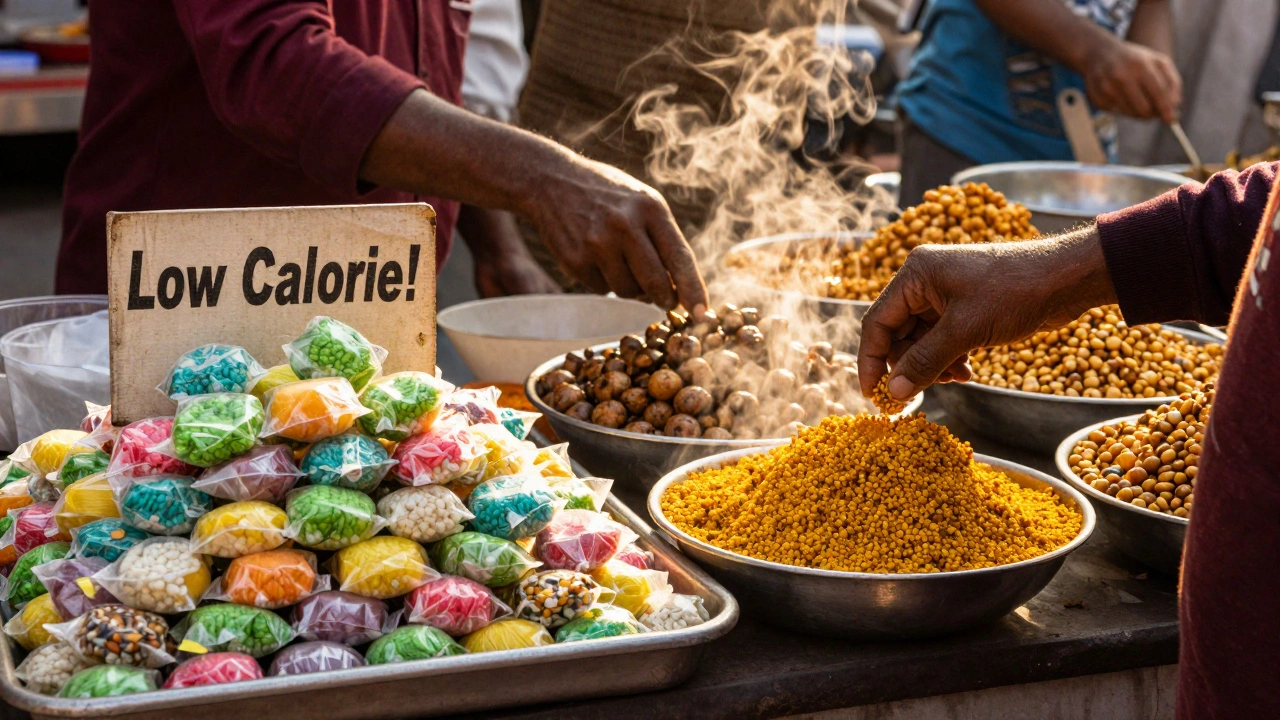
The myth started because rice cakes are low in fat and calories. That’s true-but nutrition isn’t just about calories. It’s about what those calories do in your body. A rice cake spikes your blood sugar fast because it’s almost pure glucose. Your body breaks it down in minutes, leaving you hungry again within an hour. That’s not a snack-it’s a sugar hit with a crunch.
Also, many brands add flavorings like cheese powder, caramel, or soy sauce. A single flavored rice cake can have over 200mg of sodium. That’s more than half the daily limit recommended by the WHO for someone trying to avoid high blood pressure. And if you’re eating multiple cakes to feel full? You’re not saving calories-you’re loading up on salt and empty carbs.
Who should avoid rice cakes?
If you have:
- Diabetes or prediabetes
- High blood pressure
- Metabolic syndrome
- Struggle with cravings or emotional eating
rice cakes can make things worse. They don’t satisfy hunger, they don’t stabilize blood sugar, and they’re often eaten mindlessly. One study from the Indian Journal of Clinical Nutrition (2024) found that people who replaced rice cakes with high-fiber snacks like roasted lentils or nuts reported 37% fewer mid-afternoon cravings over six weeks.
When rice cakes might be okay
There are exceptions. If you’re using them as a base for toppings-like mashed avocado, a sprinkle of chaat masala, or a thin layer of peanut butter-they can become a vehicle for real nutrition. A rice cake with 1 tablespoon of almond butter and a dash of cinnamon? That’s a balanced snack. But that’s not how most people eat them. Most grab the plain or flavored version straight from the pack.
Also, if you’re on a very low-calorie diet and need something to crunch on without adding many calories, rice cakes can work-just stick to plain, unflavored versions and limit yourself to one or two.
Better Indian snack alternatives
Instead of reaching for rice cakes, try these real, satisfying, nutrient-rich options:
- Roasted chana - High in protein and fiber, keeps you full for hours.
- Spiced roasted makhana (fox nuts) - Low in carbs, rich in magnesium, and naturally crunchy.
- Vegetable sticks with mint chutney - Fiber, vitamins, and flavor without processing.
- Handful of unsalted almonds or walnuts - Healthy fats and brain fuel.
- Plain poha or upma - Made with whole grains, vegetables, and spices.
These snacks don’t just fill you up-they actually nourish you. And in a country where diabetes rates are rising fast, choosing snacks that support your metabolism matters more than ever.
The bottom line
Rice cakes aren’t toxic. They won’t poison you. But calling them ‘healthy’ is misleading. They’re not a snack; they’re a placeholder. A quiet, crunchy distraction that does nothing for your body beyond giving you a momentary texture fix.
If you’re eating them because you think they’re the ‘healthiest’ option, you’re missing out on better choices. India has a rich tradition of snacks that are both delicious and nourishing. You don’t need to sacrifice flavor for health. You just need to rethink what ‘snack’ really means.
Are rice cakes good for weight loss?
Rice cakes are low in calories, but they’re not effective for weight loss. Because they’re made of refined rice, they spike blood sugar and don’t keep you full. You’ll likely end up snacking again soon after. For real weight management, choose snacks high in protein and fiber-like roasted chana, nuts, or yogurt with spices.
Do rice cakes have gluten?
Plain rice cakes made from just rice and salt are naturally gluten-free. But many flavored versions include soy sauce, barley malt, or other additives that contain gluten. Always check the label if you’re sensitive. Brands like Nourish Organics and Tata Sampann offer certified gluten-free options in India.
Are brown rice cakes healthier than white rice cakes?
Yes, slightly. Brown rice cakes use the whole grain, so they have a bit more fiber (about 0.5-1 gram per cake) and trace minerals like magnesium. But the difference is small. Most brown rice cakes are still highly processed and lack the protein and fiber of whole foods like lentils or nuts. Don’t assume they’re a health food just because they’re brown.
Can kids eat rice cakes as snacks?
They’re safe in moderation, but not ideal. Kids need nutrient-dense snacks for brain development and energy. Rice cakes offer mostly empty carbs and can contribute to sugar cravings. Better options: banana slices with peanut butter, boiled chana, or homemade vegetable sticks with yogurt dip.
Do rice cakes cause bloating?
Not usually from the rice itself. But many rice cakes contain added sodium and preservatives, which can cause water retention and bloating in sensitive people. If you notice puffiness after eating them, try switching to unsalted, plain versions-or better yet, switch to roasted makhana or chana.
What to do next
If you’ve been eating rice cakes thinking they’re healthy, start small. Swap one snack a day for something with real nutrition. Try roasted chana instead of plain rice cakes. Or make your own spiced poha on weekends. You’ll notice the difference-not just in your energy, but in how often you reach for snacks in the first place.
Healthy snacking isn’t about cutting calories. It’s about choosing foods that work with your body, not against it. And in India, we’ve always had the ingredients to do that right.