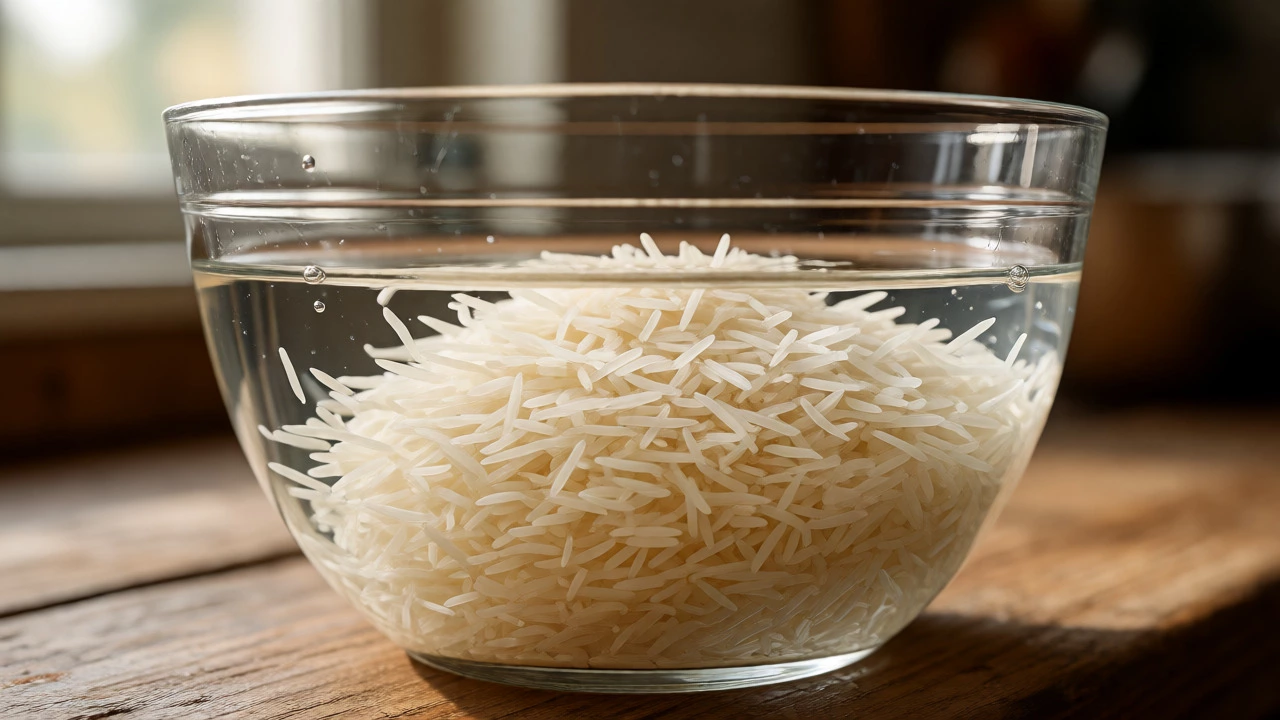
Basmati Rice Soaking Timer & Guide
Select your dish and rice type to get the optimal soaking duration, then use the integrated timer to ensure perfection.
Configure settings and start the timer to see instructions.
Preparation Steps:
You’ve probably been there. You’re making a massive pot of basmati rice for a Friday night biryani, you follow the package instructions to the letter, and yet… mush. Or worse, that stubborn white core in the middle of every grain that makes your guests chew like they’re eating gravel. The culprit isn’t usually the heat or the water ratio-it’s often what happened before the rice even hit the pan.
Soaking is the secret handshake between dry grains and perfect fluffiness. But how long is too long? Is ten minutes enough? Does an hour make it fall apart? Let’s cut through the confusion with some hard facts from kitchens across Sydney and beyond.
The Short Answer: Time Matters More Than You Think
If you’re in a rush, here’s the bottom line: soak basmati rice for 30 minutes for standard side dishes and 45 to 60 minutes for elaborate dishes like Biryani or Pulao. Anything less than 15 minutes rarely penetrates the grain sufficiently. Anything more than two hours risks turning the starch into glue.
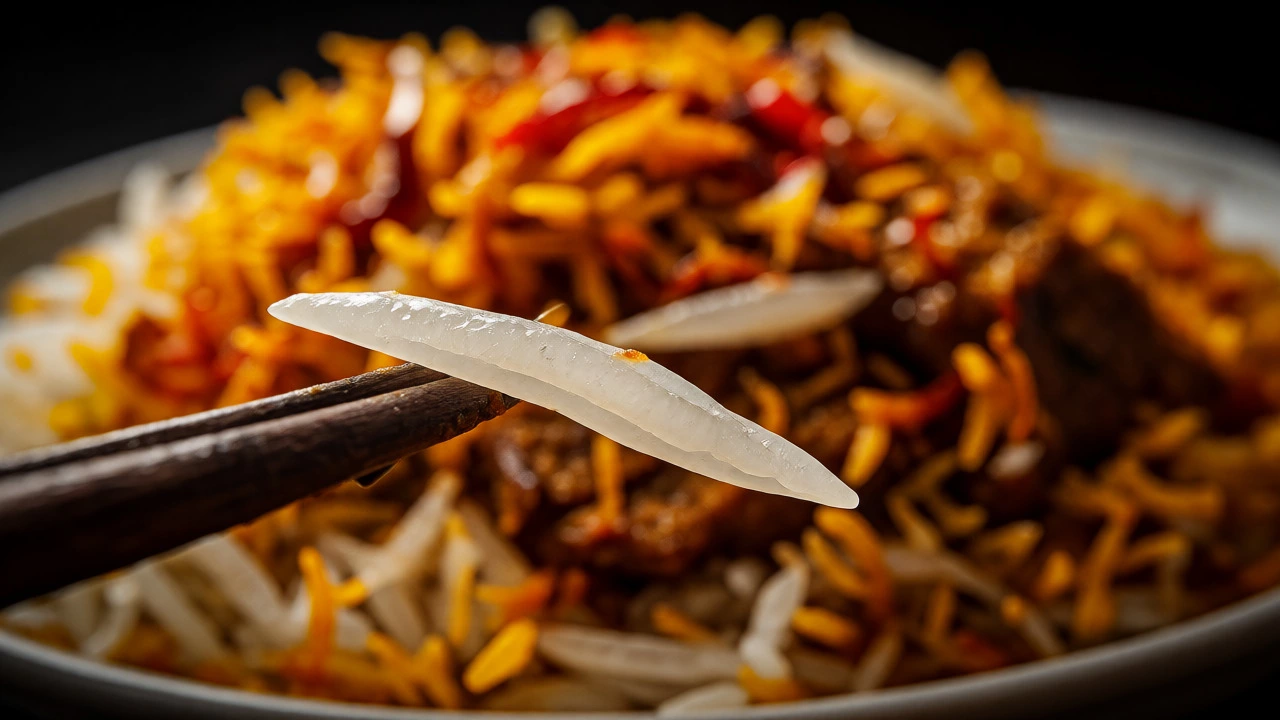
Why does this matter? Basmati grains are long and slender. Unlike short-grain sushi rice, which is designed to stick together, basmati needs to stay separate. Soaking allows water to penetrate the center of the grain so it cooks evenly. If you skip it, the outside gets soft while the inside stays hard. If you over-soak, the structure collapses, and you get sticky clumps instead of distinct pearls.
Why Soaking Changes Everything
Think of uncooked rice as a sponge that’s been left out in the sun for months. It’s dense and dehydrated. When you drop it straight into boiling water, the exterior heats up rapidly and gelatinizes (that’s the fancy word for “turning to goo”) before the interior has time to hydrate. This creates a temperature gradient that leads to uneven cooking.
By soaking first, you bring the entire grain to a uniform moisture level. This means when it hits the hot oil or water, every part of the grain reacts at the same speed. The result? Grains that elongate beautifully-often doubling in length-and remain firm but tender. For those aiming for restaurant-quality Biryani, this step is non-negotiable. Authentic Hyderabadi chefs swear by it because the dum (slow steam) cooking method relies on the rice being partially pre-cooked via hydration, not just heat.
The Golden Window: 30 vs. 60 Minutes
Not all basmati is created equal, and neither are your recipes. Here’s how to decide based on what you’re making:
| Dish Type | Recommended Soak Time | Water Temperature | Expected Outcome |
|---|---|---|---|
| Simple Steamed Rice / Jeera Rice | 20-30 minutes | Cool tap water | Fluffy, quick-cooking, slight bite |
| Pulao / Vegetable Rice | 30-45 minutes | Cool tap water | Tender, well-separated grains |
| Chicken or Mutton Biryani | 45-60 minutes | Cool tap water | Long, intact grains that hold up to heavy spices |
| Overnight Soak (Emergency) | 8-12 hours | Refrigerated water | Very soft; reduce cooking time by 50% |
Notice the trend? The heavier the dish, the longer the soak. Why? Because biryani involves layering meat, yogurt, and fried onions. If your rice is under-soaked, it will absorb too much moisture from the gravy during the final steam, becoming soggy. Pre-hydrating ensures it stays dry and fluffy despite the wet environment.
Common Mistakes That Ruin Your Rice
I’ve seen home cooks make the same three errors repeatedly. Avoid these if you want that Instagram-worthy texture.
- Using warm or hot water: Some people think warm water speeds things up. Wrong. Warm water starts breaking down the surface starch immediately, leading to a slimy coating. Always use cool, fresh tap water.
- Skipping the rinse: Soaking doesn’t replace rinsing. Rinse your rice thoroughly until the water runs clear *before* you start soaking. If you soak dirty rice, you’re just steeping dust and broken particles.
- Leaving it on the counter overnight: In Sydney’s summer humidity, leaving rice out for 12 hours can invite bacterial growth. If you need to soak overnight, keep the bowl in the fridge. The cold slows fermentation while still allowing hydration.
Does Brand Matter? Yes.
Not all basmati behaves the same way. Premium aged basmati, like India Gate or Daawat, has lower moisture content because it’s been stored for 1-2 years. These grains are harder and benefit from the full 45-minute soak. Cheaper, younger basmati might only need 20 minutes because it hasn’t hardened as much.
How do you tell? Look at the color. Aged basmati is slightly yellowish or cream-colored, not stark white. It also snaps cleanly when bent. Younger rice feels softer and may break rather than snap. Adjust your timing accordingly. If you’re using a new brand, test with a small batch first.
Pro Tip: The Drain-and-Dry Step
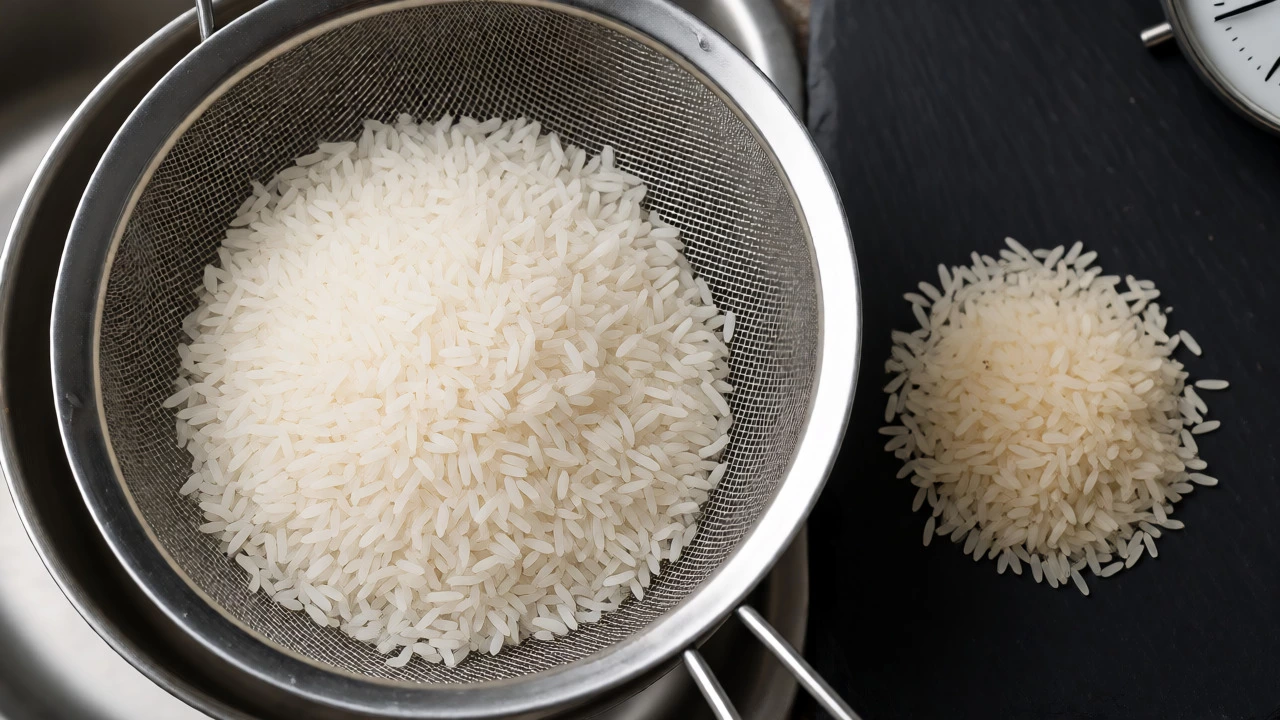
Here’s something most tutorials miss: after soaking, don’t dump the wet rice straight into the pot. Drain it completely in a fine-mesh sieve. Then, let it sit uncovered for 5-10 minutes. This lets excess surface water evaporate.
Why bother? Surface water causes steaming instead of frying or boiling properly. If you’re doing a pilaf-style cook where you fry the rice in ghee first, wet rice will splatter and prevent browning. Dry rice fries better. Dry rice separates better. It’s a small extra step that yields big textural dividends.
What If I Forget to Soak?
Life happens. You forgot to plan ahead. Can you salvage it? Yes, but adjust your technique.
Skip the soak and use the absorption method with a bit more water than usual (1.5 cups water per cup of rice instead of 1). Cook on low heat with the lid tightly sealed. Do not stir. Stirring releases starch and creates glue. Check at 12 minutes. If the center is still hard, add another tablespoon of water and steam for 2 more minutes. It won’t be quite as distinct as soaked rice, but it’s edible.
Alternatively, try the pasta method: boil a large pot of salted water, drop in the unrinsed rice, and cook until al dente (about 8-10 minutes). Drain immediately. This works surprisingly well for salads or cold rice dishes, though it lacks the aroma of traditional methods.
Frequently Asked Questions
Can I soak basmati rice for too long?
Yes. If you soak basmati rice for more than 2 hours at room temperature, the grains begin to disintegrate. The outer layers become mushy and prone to breaking during stirring. If you must soak longer, keep it refrigerated, but expect a softer texture that may not hold up well in dry pilafs.
Do I need to soak brown basmati rice?
Absolutely. Brown basmati retains its bran layer, which acts as a barrier to water penetration. Soak brown basmati for at least 1 to 2 hours before cooking. Without soaking, it remains tough and chewy regardless of how long you boil it.
Should I add salt to the soaking water?
No. Salt draws moisture out of cells via osmosis, which can actually hinder hydration. Save your seasoning for the cooking water. Adding salt during soaking can also lead to uneven flavor distribution since the water is discarded later.
Does soaking affect the nutritional value?
Minimal impact. While some water-soluble vitamins may leach out, the primary benefit is improved digestibility. Soaking reduces phytic acid, an anti-nutrient that binds minerals like iron and zinc, making them easier for your body to absorb.
Can I reuse the soaking water for cooking?
It’s best to discard it. The soaking water contains excess starch and any residual impurities rinsed off earlier. Using fresh water for cooking ensures a cleaner taste and prevents the rice from becoming gummy due to re-introduced starch.
Final Thoughts for the Home Cook
Perfect basmati rice isn’t magic-it’s physics. Water enters the grain, heat expands the starch, and time determines the structure. Give your rice the 30 to 60 minutes it deserves before you turn on the stove. Your future self, standing over a pot of fragrant, separated grains, will thank you.