Indian Dinner Planner
Step 1: Tell us about your evening.
Recommended Dishes
Select your preferences and click "Find My Dinner" to get personalized recommendations.
It’s 7 PM. You’re tired from work, your stomach is growling, and the idea of spending another hour chopping vegetables or stirring a pot feels like a punishment. You want something warm, comforting, and deeply flavorful-something that tastes like it took hours but didn’t actually take that long. That is exactly where Indian dinner shines.
There is a myth that cooking Indian food requires exotic ingredients you can’t find at your local supermarket and three days of prep time. The truth? Some of the most satisfying, restaurant-quality Indian meals are ready in under 30 minutes using pantry staples. Whether you are looking for a heavy, carb-loaded comfort meal or a light, protein-packed option that won’t keep you up all night, Indian cuisine has a specific dish for every mood and body type.
What makes an Indian dish good for dinner?
A good Indian dinner balances flavor with digestibility. It should be warming (often containing spices like cumin and ginger which aid digestion) but not overly spicy if eaten late. Ideally, it pairs a protein source (lentils, chicken, paneer) with complex carbs (rice, roti) to provide sustained energy without causing blood sugar spikes right before bed.
The Golden Rule: Balance Your Plate
Before we get into specific recipes, let’s talk about structure. In India, dinner isn’t just one big bowl of rice; it’s a balanced plate. This concept is crucial if you want to feel satisfied without feeling sluggish later. A traditional Indian dinner plate typically includes four components:
- A Protein Base: This could be Dal (lentils), Chana (chickpeas), tofu, paneer, or chicken. Protein keeps you full and repairs muscles while you sleep.
- A Vegetable Component: Known as Sabzi, this adds fiber and vitamins. Think spinach, cauliflower, or mixed seasonal veggies.
- A Carbohydrate Source: Basmati rice, Roti (whole wheat flatbread), or quinoa. This provides energy.
- A Digestive Aid: Usually a side of Raita (yogurt sauce) or a pickle. Yogurt cools the stomach and aids digestion, balancing the heat from spices.
When you choose your dinner, aim to hit at least three of these categories. If you eat only rice and potatoes, you’ll feel bloated. If you eat only dry curry, you might feel unsatisfied. The magic happens when you combine them.
Quick & Easy: Lentil-Based Dinners
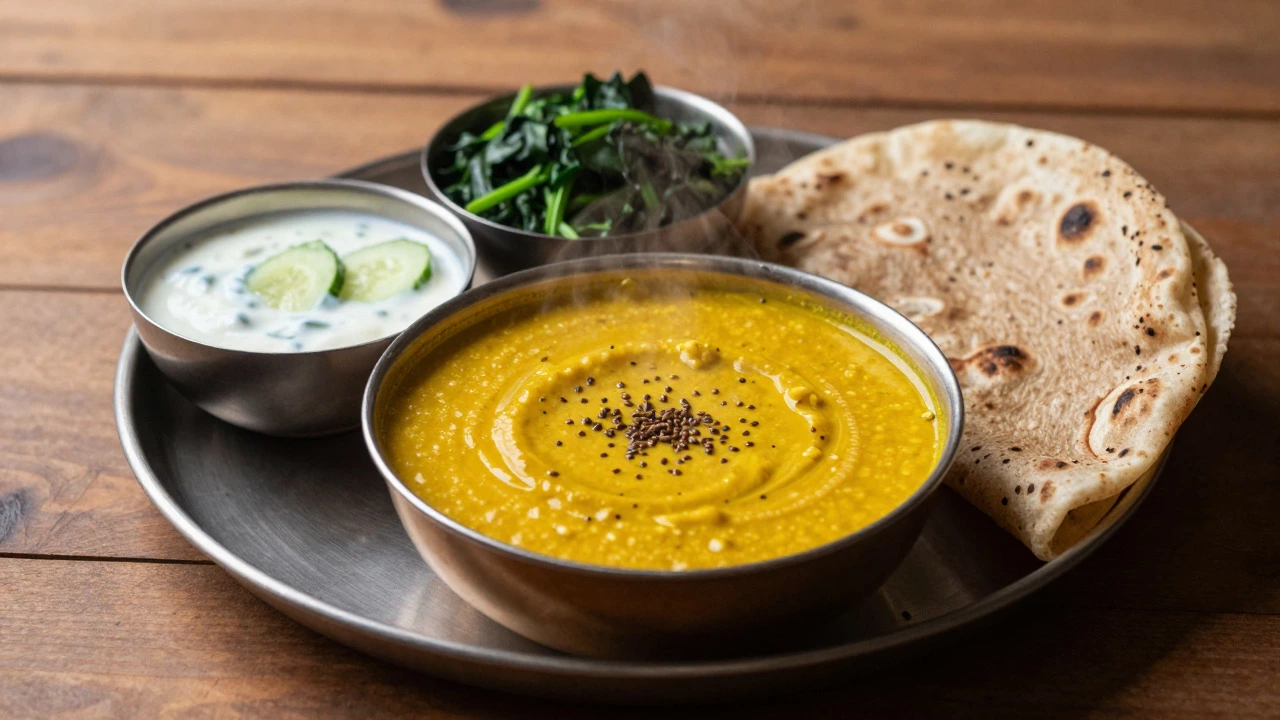
If you have zero energy to cook, lentils are your best friend. They are cheap, nutritious, and require minimal chopping. Dal Tadka is the ultimate weeknight savior. Unlike red lentils which dissolve completely, yellow split peas (toor dal) hold their shape slightly better and create a creamy, rich texture without needing any cream.
Here is why Dal Tadka works so well for dinner:
- Speed: If you use a pressure cooker or Instant Pot, the lentils cook in 15 minutes. Even on the stovetop, they take about 25 minutes.
- Digestion: Lentils are high in fiber but easier to digest than heavier beans like kidney beans (rajma).
- Flavor Depth: The “tadka” (tempering) step involves frying cumin seeds, garlic, and dried red chilies in ghee or oil and pouring it over the cooked dal. This releases aromatic oils that make the dish smell incredible, triggering your appetite without overwhelming your palate.
Serve this with a simple cucumber-tomato salad and a piece of whole-wheat roti. It’s light enough to eat an hour before bed but hearty enough to satisfy a hungry adult. For a variation, try Moong Dal Khichdi. This is a one-pot meal of rice and moong lentils cooked together until soft. It is often called “nature’s medicine” in India because it is incredibly gentle on the stomach, making it perfect if you ate poorly during the day or feel slightly unwell.
Vegetarian Comfort: Paneer & Tofu Options
If you miss meat but want to stick to plant-based eating, paneer (Indian cottage cheese) or tofu is the answer. However, not all paneer dishes are created equal for dinner. Avoid heavy, creamy gravies like Butter Chicken-style paneer butter masala if you are prone to acid reflux or heartburn at night. Instead, opt for tomato-onion based curries or dry preparations.
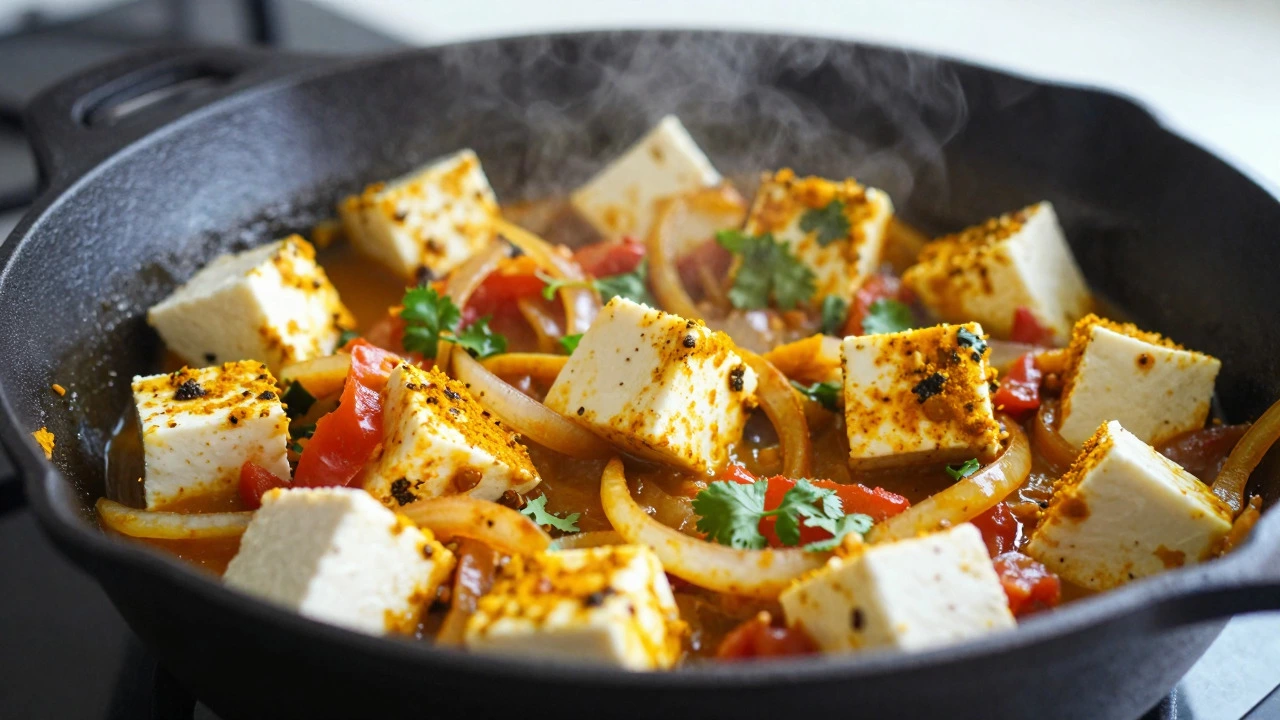
Paneer Bhurji is a fantastic choice. It is essentially scrambled paneer cooked with onions, tomatoes, turmeric, and coriander. It takes 10 minutes to make. Because it is dry and fluffy, it doesn’t sit heavily in the stomach like a thick gravy would. Pair it with toast or roti for a filling meal.
For tofu lovers, Tofu Curry prepared in a coconut milk base is lighter than dairy-heavy versions. Coconut milk contains medium-chain triglycerides (MCTs) which are metabolized differently than long-chain fats, potentially offering quicker energy conversion without the heaviness of cream. Just remember to drain and press your tofu first to ensure it absorbs the spices properly.
Non-Vegetarian Choices: Light & Lean
Eating meat for dinner can be tricky. Red meat takes longer to digest and can disrupt sleep quality. Poultry and fish are superior choices for evening meals. When selecting an Indian non-veg recipe, look for dishes that use yogurt marinades rather than heavy cream.
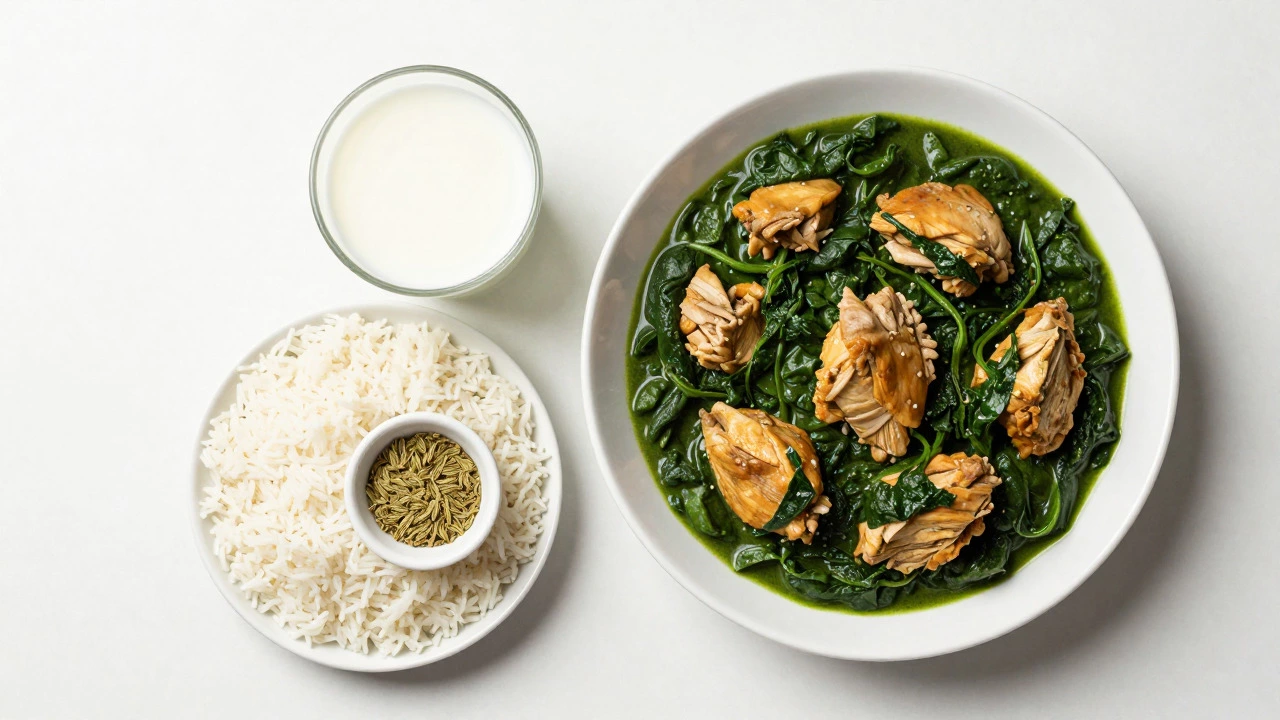
Chicken Tikka Masala is popular, but the classic version is loaded with cream and butter. For a healthier dinner alternative, try Chicken Saag (spinach). Spinach is packed with magnesium, which helps relax muscles and promote sleep. Cooking chicken pieces in a pureed spinach and onion gravy creates a vibrant green dish that is rich in iron and protein but low in saturated fat. The earthiness of the spinach complements the warmth of the chicken perfectly.
Another excellent option is Fish Curry, particularly if you live near the coast or have access to fresh white fish. Fish cooks in minutes. A Bengali-style fish curry made with mustard paste and turmeric is anti-inflammatory and very light. Mustard oil (or regular oil with mustard seeds tempered) adds a pungent kick that stimulates saliva production, aiding digestion. Serve this with steamed basmati rice for a meal that feels luxurious but leaves you feeling light.
Carb-Conscious: Low-Carb Indian Dinners
If you are watching your carbohydrate intake, Indian cuisine offers plenty of alternatives to rice and roti. The key is to swap the grain for more vegetables or legumes.
Baingan Bharta (roasted eggplant mash) is naturally low-carb and high in fiber. Roasting the eggplant gives it a smoky flavor that mimics the depth of slow-cooked meats. Mash it with onions, tomatoes, and green chilies. Serve it with lettuce wraps instead of naan bread. Another great low-carb option is Stuffed Bell Peppers filled with spiced ground turkey or lentils. The bell peppers act as the vessel, replacing the need for bread entirely.
You can also experiment with cauliflower rice. Sauté riced cauliflower with peas, carrots, and paneer cubes. Season it with garam masala and lemon juice. It looks and eats surprisingly similar to a fried rice dish but with a fraction of the calories and carbs.
| Dish | Prep Time | Digestibility | Best Paired With |
|---|---|---|---|
| Dal Tadka | 25 mins | High (Easy) | Rice or Roti |
| Paneer Bhurji | 10 mins | Medium | Toast or Lettuce Wrap |
| Chicken Saag | 30 mins | High | Steamed Rice |
| Fish Curry | 20 mins | Very High | Basmati Rice |
| Baingan Bharta | 40 mins (roasting) | Medium | No Carb / Salad |
Spices That Help Sleep vs. Spices That Hinder It
Not all spices are equal when it comes to nighttime eating. Some spices actively support relaxation and digestion, while others can cause heartburn or keep you awake.
Good for Dinner:
- Turmeric: Anti-inflammatory and calming.
- Cumin: Aids digestion and reduces bloating.
- Ginger: Settles the stomach and reduces nausea.
- Cardamom: Has mild sedative properties and freshens breath.
- Fennel Seeds: Chewing fennel after dinner is a traditional Indian habit to aid digestion and cool the body.
Use with Caution:
- Raw Garlic: Can cause heartburn in some people. Cooked garlic is generally fine.
- Excessive Chili Powder: Capsaicin increases body temperature and metabolism, which might make it harder to fall asleep if you are sensitive to heat.
- Heavy Cream/Ghee: While delicious, large amounts of fat slow down gastric emptying, meaning your stomach is still working hard when you lie down.
Simple Meal Prep Ideas for Busy Weeknights
To make Indian dinners effortless, embrace batch cooking. Here are three strategies:
- Make a Big Batch of Dal: Cook a large pot of Dal Tadka on Sunday. It tastes even better the next day as the flavors meld. Freeze individual portions. Reheating takes 5 minutes.
- Pre-Chop Vegetables: Chop onions, tomatoes, and peppers on Saturday. Store them in airtight containers. This cuts active cooking time by half.
- Keep Rotis Ready: Buy frozen whole-wheat rotis or parathas. They cook in a pan in 2 minutes. Alternatively, make a double batch on Sunday and freeze them. Reheat directly from frozen in a dry pan.
Don’t underestimate the power of a jarred chutney or a pre-made spice blend. If you buy a high-quality Garam Masala, you don’t need to grind cardamom, cloves, and cinnamon every time. Convenience shouldn’t mean sacrificing health; it means removing friction so you actually cook at home instead of ordering takeout.
Final Thoughts on Choosing Your Dinner
The “best” Indian food for dinner depends entirely on your body’s needs that day. Had a heavy lunch? Go for Moong Dal Khichdi. Need protein after the gym? Chicken Saag or Paneer Bhurji. Want to save money and time? Dal Tadka. Listen to your hunger cues. Eat slowly. And always finish with a glass of warm water or herbal tea to help close out the digestive process. Indian food is versatile, forgiving, and deeply nourishing. You don’t need to be a chef to enjoy it-you just need to know which dishes serve your lifestyle best.
Is Indian food too heavy for dinner?
Not necessarily. Many Indian dishes are vegetable and lentil-based, which are light and nutritious. Heavy dishes usually involve lots of cream, ghee, or fried foods. By choosing grilled, steamed, or lightly sautéed options like Dal or Saag, you can enjoy Indian food for dinner without feeling weighed down.
Can I eat Indian food if I am trying to lose weight?
Yes, absolutely. Indian cuisine is rich in spices that boost metabolism and ingredients like lentils and vegetables that are low in calories but high in fiber. Focus on portion control with rice and roti, and prioritize protein-rich curries like Dal, Chana, or Grilled Chicken.
What is the easiest Indian dinner to make for beginners?
Dal Tadka is widely considered the easiest. It requires only lentils, water, salt, and a few common spices. There is no precise technique required; if it boils and simmers, it works. Pair it with store-bought rotis for a complete meal in under 30 minutes.
Does eating spicy Indian food affect sleep?
For some people, yes. Spicy foods can raise body temperature and cause acid reflux, both of which can disrupt sleep. If you are sensitive, reduce the amount of chili powder and avoid raw garlic at night. Opt for milder spices like cumin and coriander instead.
What should I drink with my Indian dinner?
Water is always a good choice. Traditionally, people drink buttermilk (Chaas) or Raita, which contains probiotics that aid digestion. Herbal teas like ginger or fennel tea are also excellent post-dinner drinks to soothe the stomach.