Indian Snack Calorie & Satiety Checker
Check the snacks you typically eat or are considering. Adjust portions if needed.
Select snacks on the left to see your analysis
We'll calculate total calories, protein, and give you a health verdict.
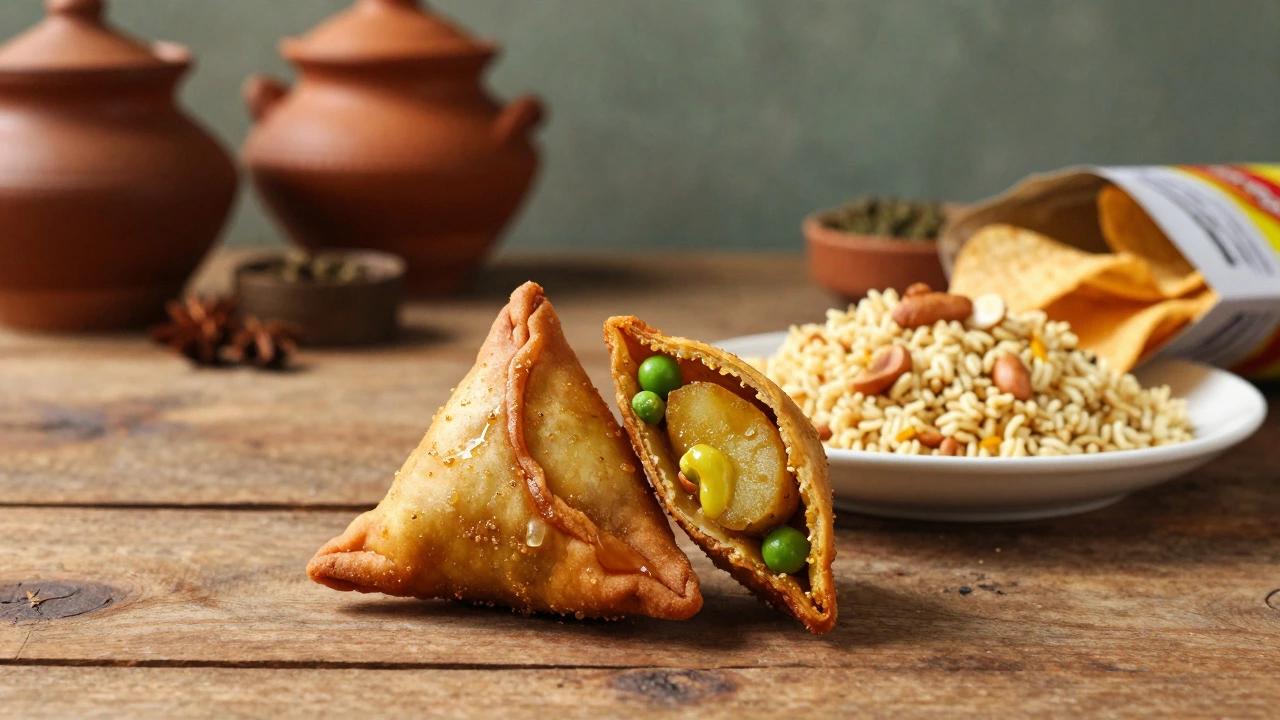
Craving something crunchy or savory at 3 PM while trying to lose weight? It’s a common struggle in India, where the snack culture is deeply embedded in our daily routine. The problem isn’t just the food; it’s the portion sizes and the hidden oils in traditional items like Samosas is a deep-fried pastry filled with spiced potatoes and peas. One samosa can easily hit 250-300 calories, which might wipe out your entire afternoon deficit if you’re not careful. The good news? You don’t have to quit snacking. You just need to swap the heavy, fried options for lighter, nutrient-dense alternatives that keep you full without derailing your progress. This guide breaks down the best healthy indian snacks that fit into a weight loss plan, giving you specific recipes and calorie counts so you can make informed choices.
Key Takeaways for Smart Snacking
- Protein is your friend: Aim for snacks with at least 10g of protein to stay satiated longer.
- Avoid liquid calories: Stick to solid foods rather than sugary drinks or juices when hungry.
- Portion control matters: Even healthy foods like nuts can add up quickly if eaten by the handful.
- Prep ahead: Having ready-to-eat snacks prevents impulse buying of packaged junk.
Why Most Traditional Indian Snacks Fail for Weight Loss
To fix the problem, we first need to understand why the usual suspects don’t work. Many popular Indian snacks rely on refined carbohydrates and trans fats. For example, Poha is flattened rice cooked with peanuts and spices. While light, it has a high glycemic index, meaning it spikes blood sugar and leads to a crash later, making you hungry again within an hour. Similarly, Chips (often called Bhujia or Namkeen) are fried extruded snacks made from maida and lentils. They are engineered to be hyper-palatable, making it hard to stop after one packet. If you are serious about weight loss, you need to move away from these "empty calorie" sources toward foods that offer fiber, protein, and healthy fats.
Top High-Protein Snacks for Satiety
Protein is the most filling macronutrient. It takes longer to digest and keeps hunger hormones in check. Here are some Indian staples that deliver on this promise.
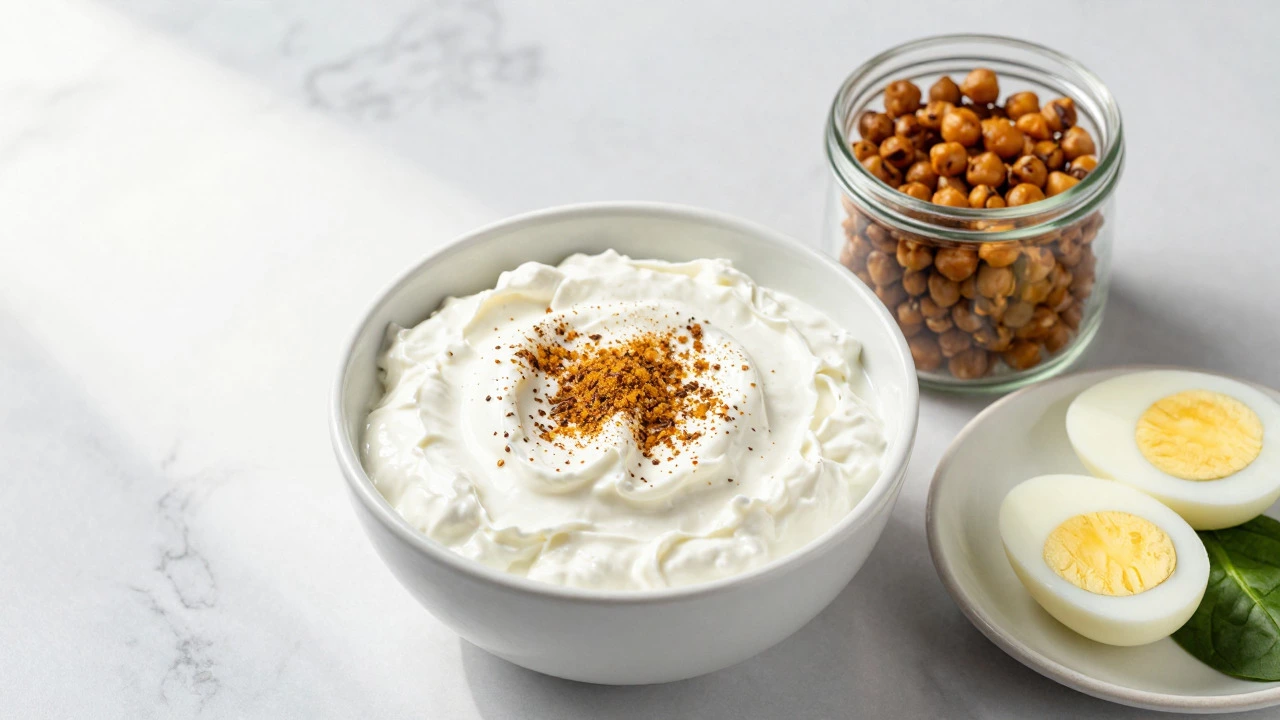
- Curd (Dahi): A bowl of plain, unsweetened curd contains about 4-5g of protein and probiotics that aid digestion. Pair it with a sprinkle of roasted cumin powder for flavor without extra calories.
- Roasted Chana (Chickpeas): These are cheap, shelf-stable, and packed with both protein and fiber. A small cup (about 50g) provides roughly 8g of protein and only 170 calories. They are perfect for crunch lovers who miss chips.
- Egg Whites: If you eat eggs, try poaching two whites with a little spinach. This gives you pure protein (12g+) with almost zero fat. It’s a quick 5-minute snack that feels substantial.
Fiber-Rich Options to Keep You Full
Fiber slows down digestion and adds bulk to your stomach, signaling fullness to your brain. Vegetables and whole grains are your best bet here.
- Veggie Sticks with Hummus: Cut cucumbers, carrots, or bell peppers into sticks. Dip them in homemade hummus (chickpea paste). Unlike cheese dip, hummus is plant-based and rich in fiber. Half a cup of hummus has about 7g of protein and 6g of fiber.
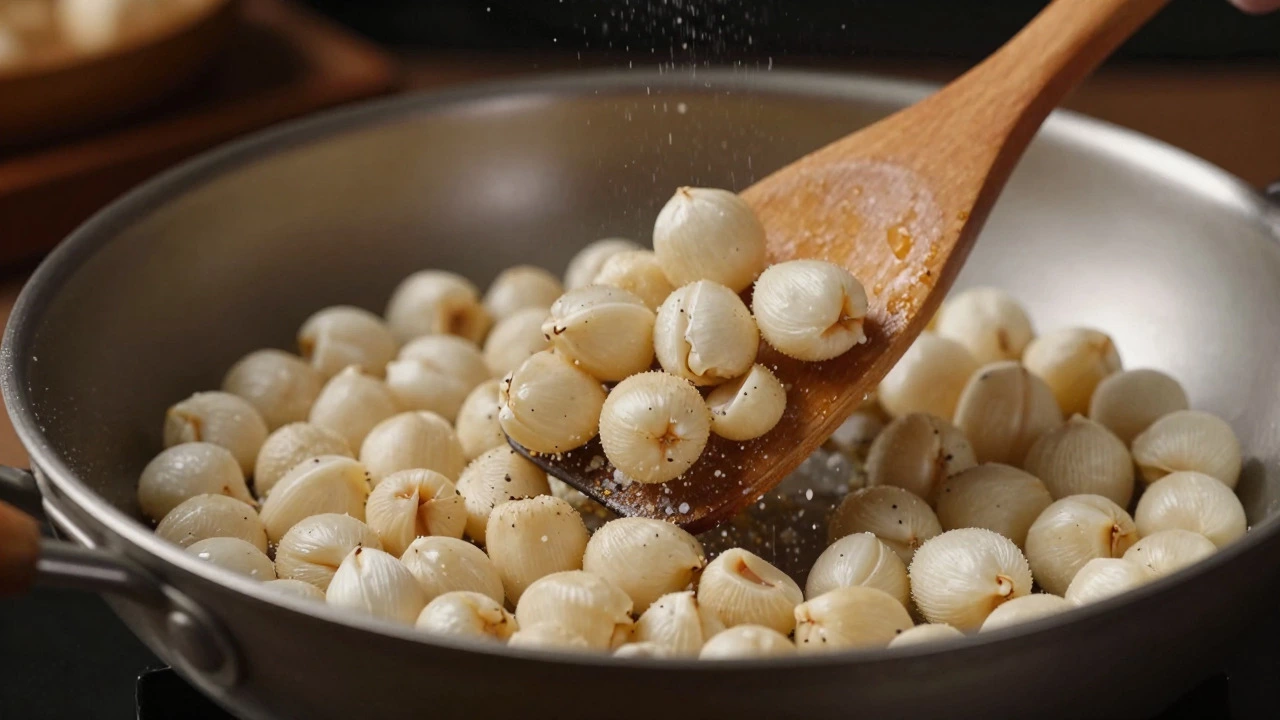
- Makhana (Fox Nuts): Roast makhana in a dry pan with a pinch of salt and black pepper. Avoid ghee-heavy preparations. Makhana is low in calories (about 150 per cup) and high in magnesium, which helps with muscle function during workouts.
- Green Papaya Salad: Unripe papaya is extremely low in calories but high in volume. Mix it with lemon juice, chili, and coriander. It acts as a palate cleanser and fills your stomach without adding significant energy.
Comparison of Popular Snack Choices
Let’s look at how different snacks stack up against each other in terms of calories and nutritional value. This table helps you visualize the impact of your choices.
| Snack Item | Portion Size | Calories | Protein (g) | Fiber (g) | Weight Loss Verdict |
|---|---|---|---|---|---|
| Samosa (Deep Fried) | 1 piece (~80g) | 280 | 4 | 3 | Avoid (High Fat/Oil) |
| Roasted Chana | 1 cup (~50g) | 170 | 8 | 9 | Excellent (High Fiber/Protein) |
| Plain Curd | 1 bowl (~150g) | 120 | 5 | 0 | Good (Add fruit/nuts for fiber) |
| Baked Makhana | 1 cup (~30g) | 120 | 2 | 1 | Good (Low Calorie Crunch) |
| Commercial Chips | 1 small pack (~30g) | 150 | 1 | 1 | Poor (High Sodium/Fat) |
How to Prepare These Snacks Without Adding Calories
The preparation method makes or breaks a healthy snack. Here are some practical tips to keep the calorie count low.
- Dry Roasting: Use a non-stick pan on medium heat to roast chana or makhana. Add salt, chaat masala, or lemon juice after roasting. No oil needed.
- Air Frying: If you have an air fryer, use it for vegetables. Toss broccoli florets or cauliflower with a spray of olive oil (not a drizzle) and bake until crispy. This mimics the texture of fried snacks with 80% less fat.
- Spice Blends: Create your own spice mix using turmeric, black pepper, dried ginger, and salt. This allows you to control sodium levels, which often cause water retention and bloating.
Common Mistakes to Avoid
Even with the right foods, bad habits can sabotage your efforts. Watch out for these traps:
- "Health Halo" Effect: Just because a food is labeled "natural" doesn't mean you can eat unlimited amounts. Dates, for instance, are healthy but dense in sugar. Limit yourself to 2-3 dates max.
- Liquid Sugar: Swap sweetened lassi or mango shakes for plain buttermilk (chaas) with a pinch of roasted cumin. Buttermilk is hydrating and lower in calories.
- Nighttime Snacking: Try to finish your last snack at least 2 hours before bed. Late-night eating often leads to overconsumption due to boredom rather than hunger.
Building Your Daily Snack Plan
You don’t need to reinvent the wheel every day. Create a rotation of 3-4 snacks that you enjoy. For example:
- Monday & Wednesday: Roasted chana with a green tea.
- Tuesday & Thursday: Vegetable sticks with homemade hummus.
- Friday: A small bowl of curd topped with sliced strawberries and a few walnuts.
Are fruits good for weight loss?
Yes, but choose low-glycemic fruits like berries, apples, and guavas. Avoid drinking fruit juices, as they lack fiber and spike blood sugar quickly. Eat whole fruits instead.
Can I eat nuts if I am losing weight?
Yes, but strictly limit portions. A small handful (about 10-12 almonds or 5-6 walnuts) is ideal. Nuts are calorie-dense, so eating a full bag will exceed your daily allowance.
What is the best time to snack?
Mid-morning (10 AM) and mid-afternoon (4 PM) are ideal windows. These times help bridge the gap between meals and prevent overeating at dinner.
Is maida always bad for weight loss?
Maida (refined flour) is low in fiber and nutrients compared to whole wheat or oats. It digests quickly, leading to faster hunger returns. Replacing maida with whole grains is a smart strategy for satiety.
Do I need to count calories for every snack?
Not necessarily. Once you know the approximate calorie content of your chosen snacks, you can estimate portions. However, tracking for the first two weeks helps build awareness of how much you actually eat.