Indian Snack Calorie & Satiety Calculator
Select a snack from the list or enter custom values to see how it fits your daily goals.
Craving a snack in the middle of the afternoon is normal. But in India, that craving often leads to a plate of samosas or a bowl of chips that can undo your hard work at the gym. The good news? You don't have to give up flavor to lose weight. You just need to swap out the deep-fried, high-sugar options for foods that are naturally lighter and more filling.
This guide breaks down the best Indian snacks for weight loss. We’re looking at items that are easy to find, affordable, and actually taste good without making you feel like you’re eating cardboard. Whether you prefer savory or sweet, there’s a path here that fits your diet.
Quick Summary / Key Takeaways
- Protein is king: Prioritize snacks with paneer, eggs, or legumes to stay full longer.
- Avoid hidden sugars: Many "healthy" packaged mixes contain added sugar; check labels.
- Portion control matters: Even healthy nuts and seeds can add up if eaten by the handful.
- Hydration helps: Sometimes thirst feels like hunger; drink water before snacking.
- Prep ahead: Having ready-to-eat snacks prevents impulse buying of junk food.
Why Most Common Indian Snacks Fail on Diets
To pick the right snack, you first need to know why the usual suspects don’t work. A standard samosa contains about 300-400 calories, mostly from refined flour (maida) and oil. It has very little fiber or protein, so you’ll be hungry again an hour later. Similarly, a packet of potato chips might seem small, but it’s packed with sodium and empty carbs that spike your blood sugar and cause crashes.
The problem isn’t just calories; it’s satiety. Foods that digest quickly leave you unsatisfied. For weight loss, you want snacks that slow down digestion and keep your energy stable. This means focusing on whole grains, lean proteins, and healthy fats rather than refined ingredients.
Top Savory Snacks for Weight Management
Savory cravings are usually driven by salt and texture. Here are some Indian favorites that satisfy that itch without the caloric bomb.
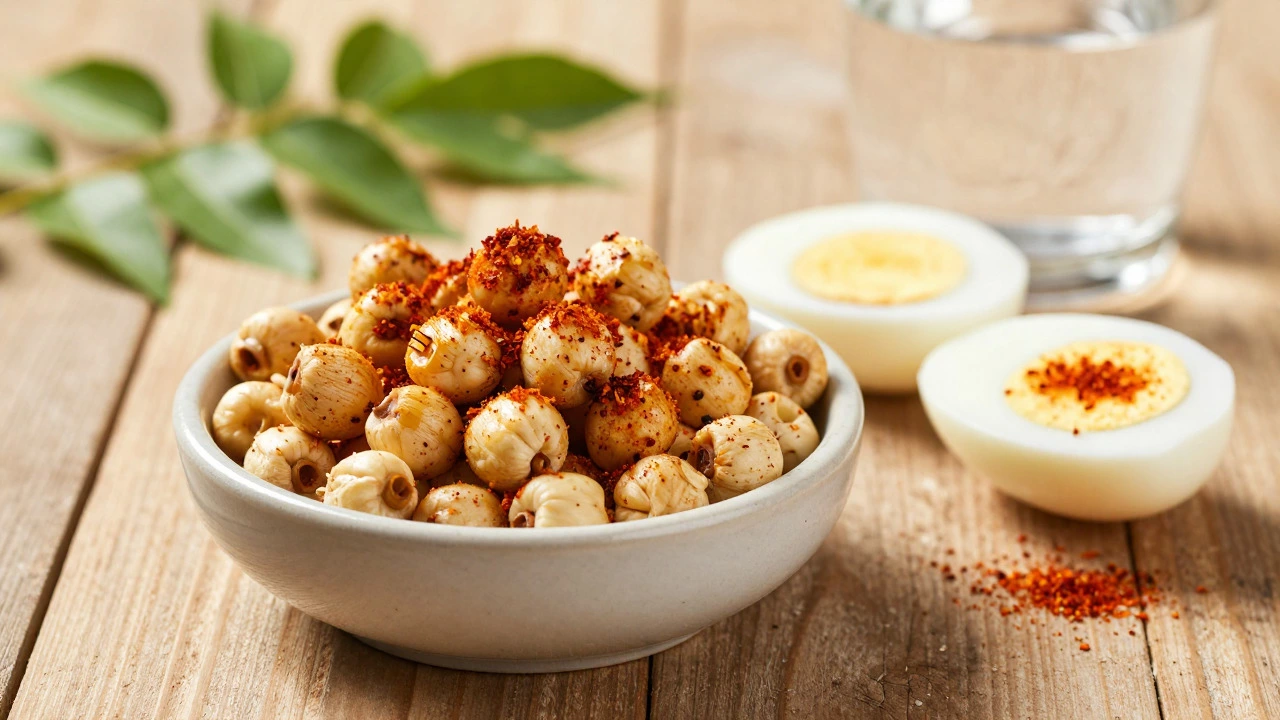
- Makhana (Fox Nuts): These are roasted lotus seeds. They are low in fat and high in fiber. Roast them lightly with a pinch of chaat masala and black pepper. They crunch like chips but have only about 150 calories per cup.
- Poha (Flattened Rice): While often a breakfast dish, a small portion of poha made with less oil, peanuts, and curry leaves works as a light snack. Use brown rice poha if available for extra fiber. Keep the serving size under 100 grams.
- Roasted Chana (Chickpeas): Boil chickpeas until tender, then roast them in a dry pan with cumin and salt. They are dense in protein and fiber, keeping you full for hours. A small bowl (about 50g) provides significant protein without much fat.
- Paneer Tikka (Grilled, Not Fried): Instead of frying paneer cubes, marinate them in yogurt, spices, and lemon, then grill or air-fry them. Paneer is a complete protein source. Pair with a cucumber salad to bulk up the volume without adding many calories.
- Boiled Eggs: Simple, cheap, and effective. Two boiled eggs provide about 12g of protein. Add a sprinkle of paprika or chili powder for flavor. This is one of the most efficient snacks for muscle retention during weight loss.
Sweet Treats That Won’t Sabotage Your Goals
If you need something sweet, avoid store-bought biscuits or cookies. Look for natural sources of sweetness combined with fiber.
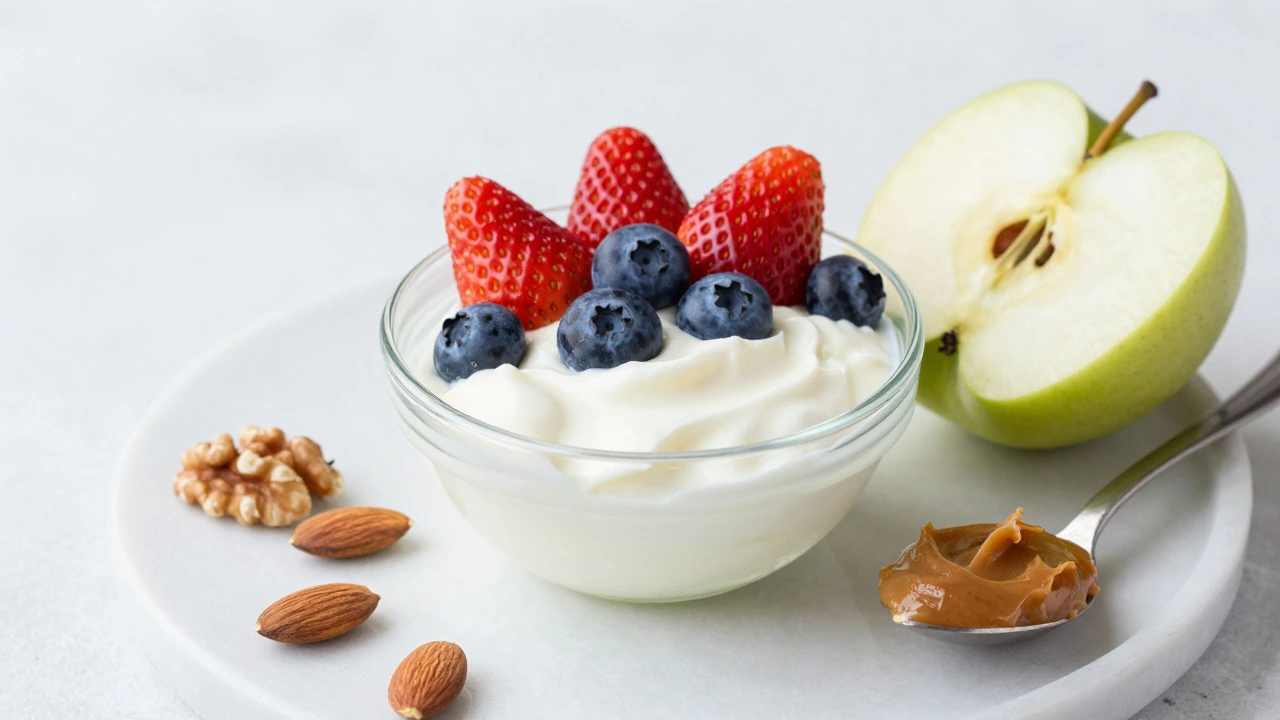
- Fruits with Nut Butter: An apple or pear sliced with a teaspoon of almond butter. The fruit provides water and fiber, while the nut butter adds healthy fats that slow absorption. Stick to one tablespoon of nut butter max.
- Greek Yogurt with Berries: Plain Greek yogurt is high in protein. Top it with fresh berries (like strawberries or blueberries) instead of honey. If you must add sweetness, use a tiny drizzle of honey or stevia.
- Doodhi (Sweet Curd): Traditional Indian sweet curd is often loaded with sugar. Make your own version by straining yogurt and mixing it with a few dates or jaggery. Dates provide natural sweetness and fiber, preventing the rapid sugar spike of white sugar.
- Soaked Almonds and Walnuts: Soak 5-6 almonds and 2 walnuts overnight. Eat them in the morning. Soaking reduces phytic acid and makes them easier to digest. They are calorie-dense, so strict portioning is key.
Comparison: Calorie Density of Popular Snacks
It helps to see how different snacks stack up. The table below compares common Indian snacks based on approximate calories per standard serving. Note that "standard serving" varies by brand and preparation method, so these are estimates for home-prepared versions.
| Snack Item | Standard Serving Size | Approx. Calories | Key Benefit |
|---|---|---|---|
| Samosa (1 medium) | ~80g | 300-400 kcal | High carb, low satiety |
| Roasted Makhana | 1 cup (approx. 40g) | 150 kcal | Low fat, high fiber |
| Boiled Eggs (2) | ~100g | 140 kcal | High protein |
| Roasted Chana | 1/2 cup (approx. 50g) | 180 kcal | High protein and fiber |
| Potato Chips (Packet) | ~50g | 280 kcal | High sodium, empty calories |
| Greek Yogurt + Berries | 150g yogurt + 50g berries | 120-150 kcal | Probiotics and antioxidants |
Practical Tips for Successful Snack Swapping
Knowing what to eat is half the battle; the other half is making it easy to execute. Here are some practical strategies to help you stick to your plan.
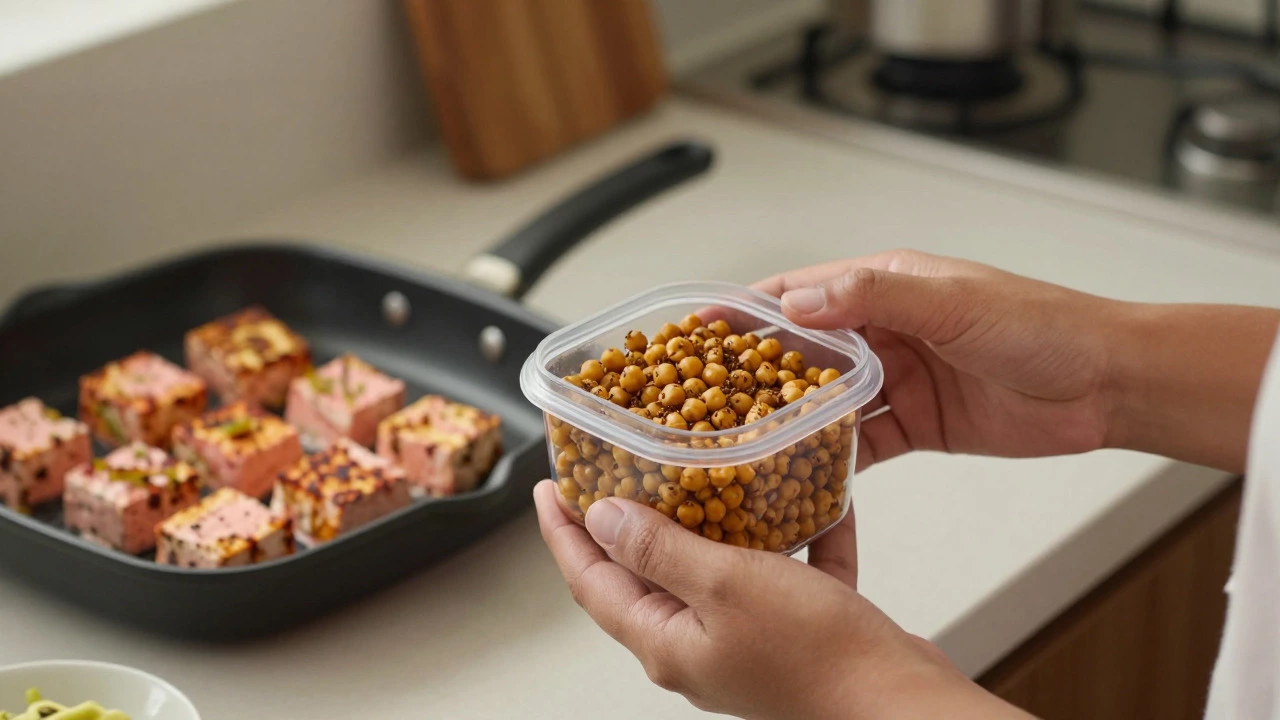
Batch prep on weekends. Roasting makhana or chana takes time. Do it once a week and store it in airtight containers. When you’re hungry at 4 PM, you grab a bag instead of driving to the corner store. Hard-boil a dozen eggs and keep them in the fridge. Peel and eat when needed.
Read labels carefully. Many "multigrain" biscuits or "low-fat" namkeens hide added sugars or excessive sodium. Look for products with fewer than 5g of sugar per serving and less than 400mg of sodium per serving. If the ingredient list starts with sugar or refined flour, put it back.
Use the hand rule for portions. For nuts and seeds, your palm should hold no more than a small handful. For fruits, one medium piece is a good serving. For protein snacks like paneer or chicken, aim for the size of your deck of cards. This visual cue prevents overeating without needing a scale.
Stay hydrated. In hot Indian climates, dehydration is common. Thirst is often mistaken for hunger. Drink a glass of water or herbal tea (like tulsi or ginger) before reaching for a snack. Wait 10 minutes. If you’re still hungry, then eat.
Common Mistakes to Avoid
Even with the best intentions, people make mistakes that stall progress. Watch out for these traps.
- Eating "just because it's healthy": Almonds are healthy, but eating a whole jar will add 700+ calories. Portion control applies to all foods.
- Skipping meals to save calories: This often leads to binge eating later. Better to have two small, balanced snacks than one huge meal.
- Ignoring emotional eating: Stress triggers cravings. If you snack out of boredom or stress, try a walk or deep breathing exercises first.
- Over-relying on supplements: Protein shakes are convenient, but whole foods offer more nutrients and better satiety. Use shakes as a supplement, not a replacement.
FAQ
Are roasted makhana really low in calories?
Yes. Roasted makhana (lotus seeds) contains about 350 calories per 100 grams, but since they are light and airy, a typical serving is around 30-40 grams, which is roughly 100-140 calories. They are also high in fiber, which aids digestion.
Can I eat paneer every day for weight loss?
Yes, but watch the quantity. Paneer is high in protein but also in saturated fat. Limit your intake to 50-100 grams per day. Choose low-fat paneer if available, and prepare it using grilling or boiling methods rather than frying.
What is the best time to eat snacks?
The best time depends on your meal schedule. Generally, mid-morning (10 AM) and mid-afternoon (4 PM) are ideal windows to prevent extreme hunger before main meals. This helps maintain steady blood sugar levels throughout the day.
Are fruits good for weight loss?
Yes, fruits are excellent for weight loss due to their high fiber and water content. However, choose lower-glycemic fruits like berries, apples, and pears over high-sugar fruits like mangoes or bananas, especially if you are sensitive to insulin spikes.
How do I stop craving fried food?
Cravings for fried food are often linked to salt and texture. Satisfy the salt craving with seasoned roasted vegetables or makhana. Satisfy the texture craving with crunchy nuts or raw veggies. Over time, your palate will adjust to lighter flavors.