Tandoori Marinade Planner & Risk Checker
Analysis Results:
Enter your details and click analyze to see the predicted outcome...
The Power of Yogurt: The Gold Standard for Tandoori
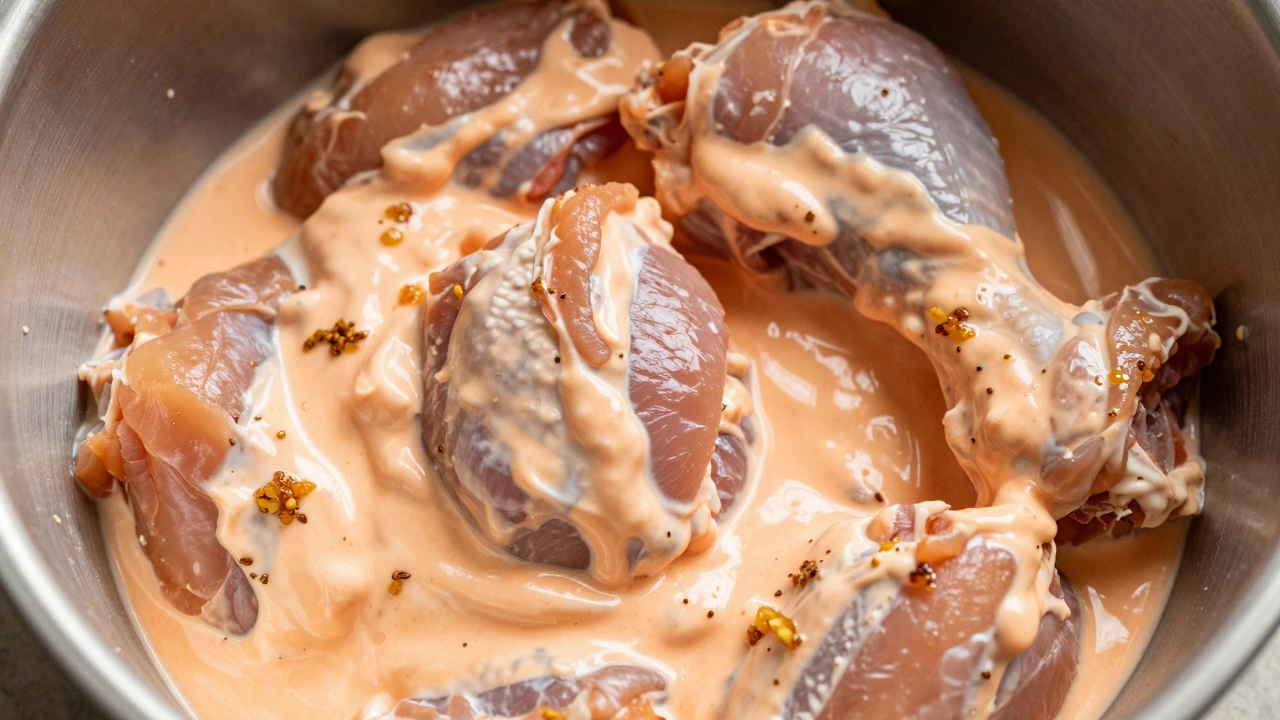
When it comes to tandoori chicken, Yogurt is the undisputed king. Unlike harsh acids, yogurt contains lactic acid. This is a much gentler tenderizer that breaks down proteins slowly without destroying the structure of the meat. If you've ever marinated chicken in pure lemon juice for too long, you know it can become mealy. Yogurt prevents this.
The thickness of yogurt also serves a practical purpose. It clings to the chicken, creating a protective barrier. This is crucial when you're cooking at the intense temperatures typical of a Tandoor (the traditional clay oven). The yogurt proteins coagulate, sealing in the juices and preventing the meat from drying out. For the best results, use a thick, strained Greek yogurt. It carries the spices deeper into the meat and doesn't run off into the bottom of the bowl.
Using Acids to Break Down Tough Fibers
If you aren't using yogurt, you'll likely turn to acids. Citric Acid, found in lemon and lime juice, or acetic acid, found in Vinegar, are the heavy hitters here. These liquids lower the pH level of the meat's surface, causing the protein strands to unwind and loosen up. This is why a squeeze of lime is a staple in almost every Indian marinade.
But here is the catch: timing. If you leave chicken in a high-acid marinade for more than 6 to 12 hours, the acid begins to "cook" the meat (similar to ceviche). The result is a rubbery, chalky texture that no amount of butter can fix. A good rule of thumb is to use acid as a accent rather than the primary liquid base. Combine it with a fat or a dairy product to buffer the intensity.
| Liquid Type | Primary Action | Best For | Risk Factor |
|---|---|---|---|
| Yogurt | Lactic Acid Tenderizing | Tandoori Chicken, Kebabs | Low (Safe for long soaks) |
| Lemon/Lime Juice | Rapid pH Change | Quick seafood, Shrimp | High (Can make meat mushy) |
| Oil | Flavor Carrier | High-heat searing, Steak | None (Does not tenderize) |
| Buttermilk | Gentle Enzyme Break | Fried Chicken, Pork | Low (Very balanced) |
The Role of Oils and Fats
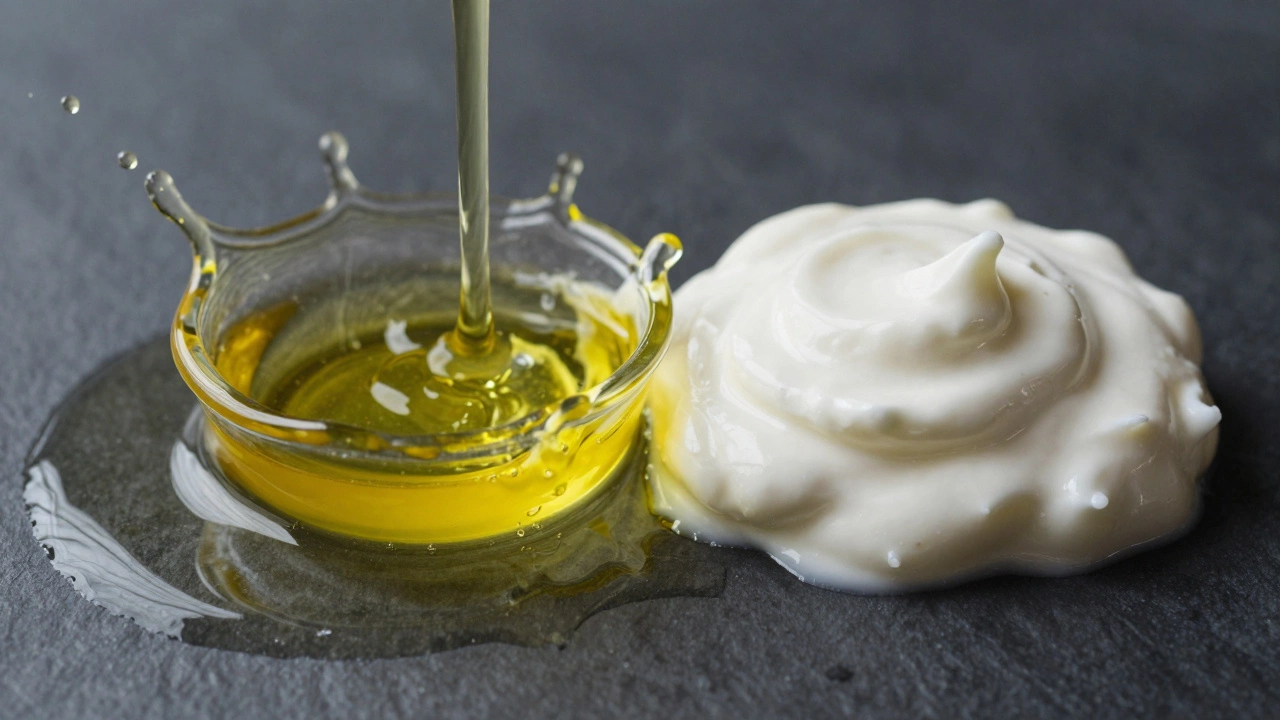
You might think oil is just for the pan, but Vegetable Oil or melted butter in a marinade does something very different from yogurt. Oil doesn't tenderize meat-it can't penetrate the muscle fibers. Instead, it acts as a delivery vehicle for fat-soluble flavors. Many of the spices used in tandoori, like Kashmiri Chili and cumin, release their full aromatic profile only when dissolved in fat.
Adding oil to your liquid base also prevents sticking and helps the meat conduct heat more evenly. If you're using a modern oven instead of a clay tandoor, adding a tablespoon of oil to your yogurt mix helps mimic that authentic charred exterior by allowing the surface to crisp up before the inside overcooks.
Comparing Traditional vs. Modern Liquid Bases
While we love the traditional yogurt approach, some people experiment with Soy Sauce or coconut milk for a twist. Soy sauce introduces salt (which draws moisture out through brine) and umami, while coconut milk provides a similar fatty barrier to yogurt but without the acidity. However, for true tandoori, the lack of acidity in coconut milk means you'll need to add more lemon juice to get the meat to soften.
Consider the "double marinade" technique often used in high-end Indian restaurants. First, the chicken is soaked in a simple mix of salt, lemon juice, and ginger-garlic paste. This cleans the meat and opens the pores. Then, the thick yogurt-based marinade is applied. This two-step process ensures the meat is tenderized from the inside out and flavor-packed on the outside.
Common Pitfalls to Avoid
One of the biggest mistakes is using too much liquid. If your chicken is swimming in a soup, the seasonings won't stick, and you'll end up steaming the meat instead of roasting it. Your marinade should be a thick paste that coats the meat entirely. If it's too runny, your spices will simply slide off the chicken and leave a mess on your baking tray.
Another trap is ignoring the salt. Salt is the only ingredient that truly penetrates deep into the center of the meat. If your liquid base is too thick (like very heavy Greek yogurt) and you don't add enough salt, the interior of the chicken will taste bland even if the outside is perfectly seasoned. Balance your liquid with enough salt to create a slight brine effect.
Quick Checklist for the Perfect Liquid Mix
- Base: Thick Greek yogurt for the best texture.
- Acid: Fresh lemon juice (limited to 2-3 tablespoons per lb).
- Fat: A touch of oil or ghee to carry the spice flavors.
- Aromatics: Ginger and garlic paste mixed directly into the liquid.
- Consistency: A paste-like texture, not a watery liquid.
Can I use mayonnaise instead of yogurt?
You can, and it actually works well for moisture because mayo is mostly oil and egg. However, you'll lose the lactic acid tenderizing effect of yogurt, so the meat might not be as soft. If you use mayo, add a bit more lemon juice to help break down the proteins.
How long should I marinate tandoori chicken?
For yogurt-based marinades, 4 to 24 hours is the sweet spot. Because yogurt is gentle, you can leave it overnight in the fridge. If you're using only lemon juice or vinegar, keep it under 6 hours to avoid the meat becoming mushy.
Why does my marinade separate during cooking?
This usually happens because the yogurt is too thin or contains too much water. Use Greek yogurt or strain regular yogurt through a cheesecloth for an hour before mixing. This ensures the marinade stays adhered to the meat under high heat.
Is oil better than yogurt for chicken?
It depends on the goal. Oil is better for high-heat searing and flavor delivery, but it doesn't tenderize. Yogurt is far superior for tandoori-style cooking because it provides both a flavor barrier and a chemical tenderizer.
Can I use buttermilk for an Indian-style marinade?
Yes, buttermilk is a great alternative. It has a similar effect to yogurt due to the lactic acid, but it's thinner. You'll need to add more dry spices or a bit of cornstarch to get it to cling to the chicken like a traditional tandoori paste.
Next Steps for Better Flavor
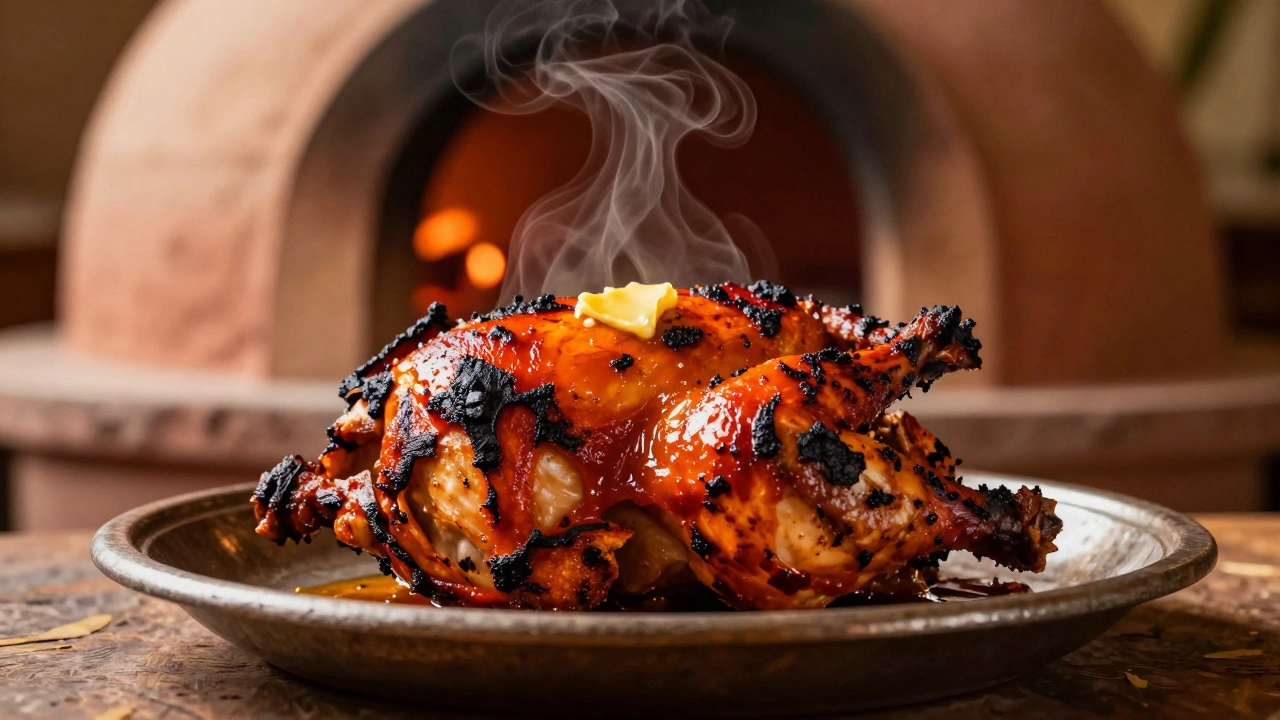
Once you've mastered your liquid base, try experimenting with the "char." Since most home ovens can't reach the 900°F of a real tandoor, try finishing your marinated chicken under a broiler for the last 3 minutes. This will caramelize the yogurt and sugars in the marinade, giving you those iconic black charred spots without drying out the center.
If you're working with very lean breast meat, increase the fat content of your liquid base with a bit more oil. For drumsticks and thighs, stick to the heavy yogurt base, as the natural fats in the dark meat will complement the lactic acid perfectly.