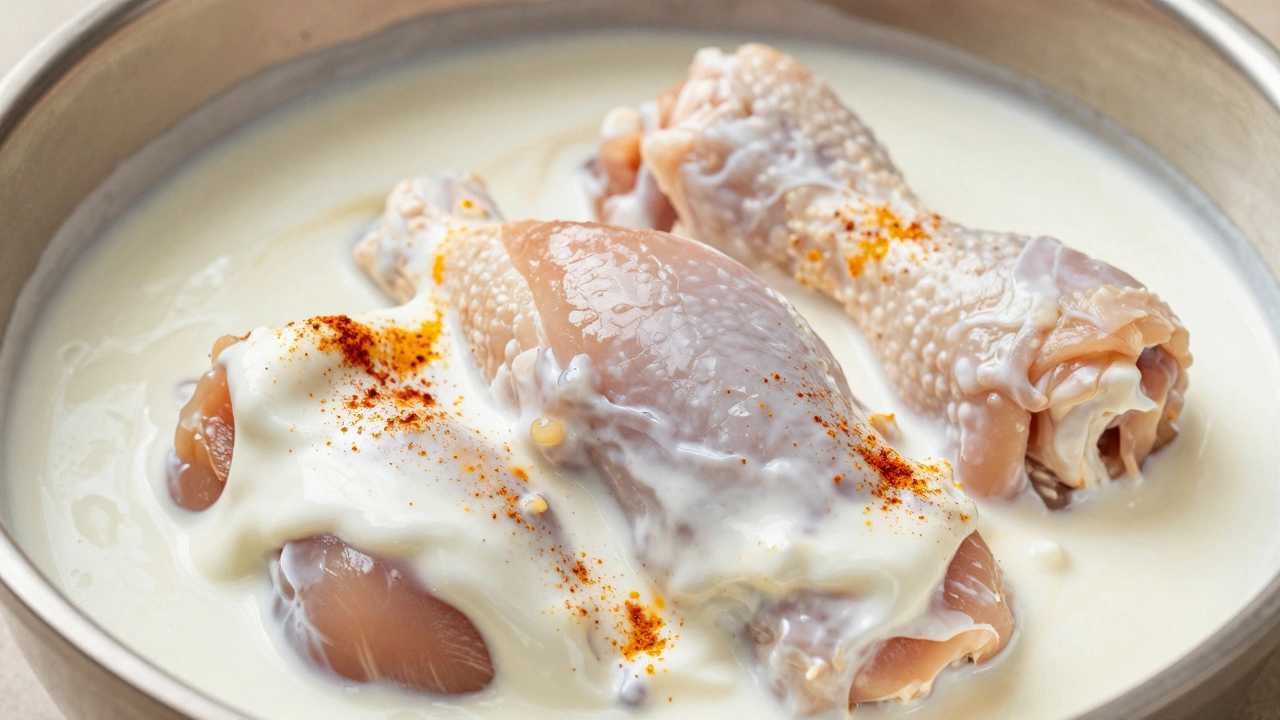
You want that restaurant-quality tandoori chicken-charred on the outside, juicy and falling-off-the-bone on the inside. You’ve got your spices ready. You’ve got your grill hot. But you’re staring at two white containers in your fridge: one labeled buttermilk, the other plain yogurt. Which one do you pour over the bird?
This isn’t just a preference debate; it’s a chemistry question. Both buttermilk is a fermented dairy product with high acidity and low fat content and yogurt is a thick, cultured dairy product rich in protein and lactic acid bacteria work by breaking down proteins to tenderize meat. However, they do it differently, affecting texture, flavor absorption, and how the chicken reacts to high heat.
If you are aiming for authentic Indian flavors or perfect grilling results, choosing the wrong base can lead to dry meat or burnt spices. Let’s break down exactly what happens when these two ingredients hit your chicken.
The Science of Tenderization: Acidity vs. Enzymes
To understand why one might be better than the other, we have to look at how they interact with muscle fibers. Chicken breast is lean and prone to drying out. Thighs have more fat but still need help becoming fork-tender. The goal of any marinade is to relax those fibers without turning them into mush.
Yogurt contains lactic acid. This acid gently denatures proteins, loosening the structure of the meat so it retains moisture during cooking. Because yogurt is thicker, it clings to the surface, creating a protective barrier that slows down moisture loss. It also contains enzymes (if fresh) that aid in breakdown, though commercial yogurt often has fewer active enzymes due to pasteurization after culturing.
Buttermilk, on the other hand, is thinner and typically has a higher water content. Its acidity comes from bacterial fermentation, similar to yogurt, but because it’s less viscous, it penetrates deeper into the meat rather than just coating it. This means buttermilk can tenderize the interior of thicker cuts more effectively, while yogurt focuses on the exterior crust.
| Feature | Plain Yogurt | Buttermilk |
|---|---|---|
| Texture | Thick, creamy, coats well | Thin, liquid, penetrates deep |
| Tenderizing Power | Surface-level, prevents drying | Deep penetration, softens fibers |
| Flavor Profile | Tangy, rich, slightly sweet | Mildly sour, lighter, cleaner |
| Browning (Maillard Reaction) | Excellent char due to solids | Less char, can steam if too wet |
| Best For | Tandoori style, grilling, roasting | Fried chicken, quick sautés, brining |
Why Yogurt Wins for Authentic Tandoori Chicken
If your end goal is Tandoori Chicken is a classic Indian dish where chicken is marinated in yogurt and spices then cooked in a clay oven, yogurt is non-negotiable. Here’s why.
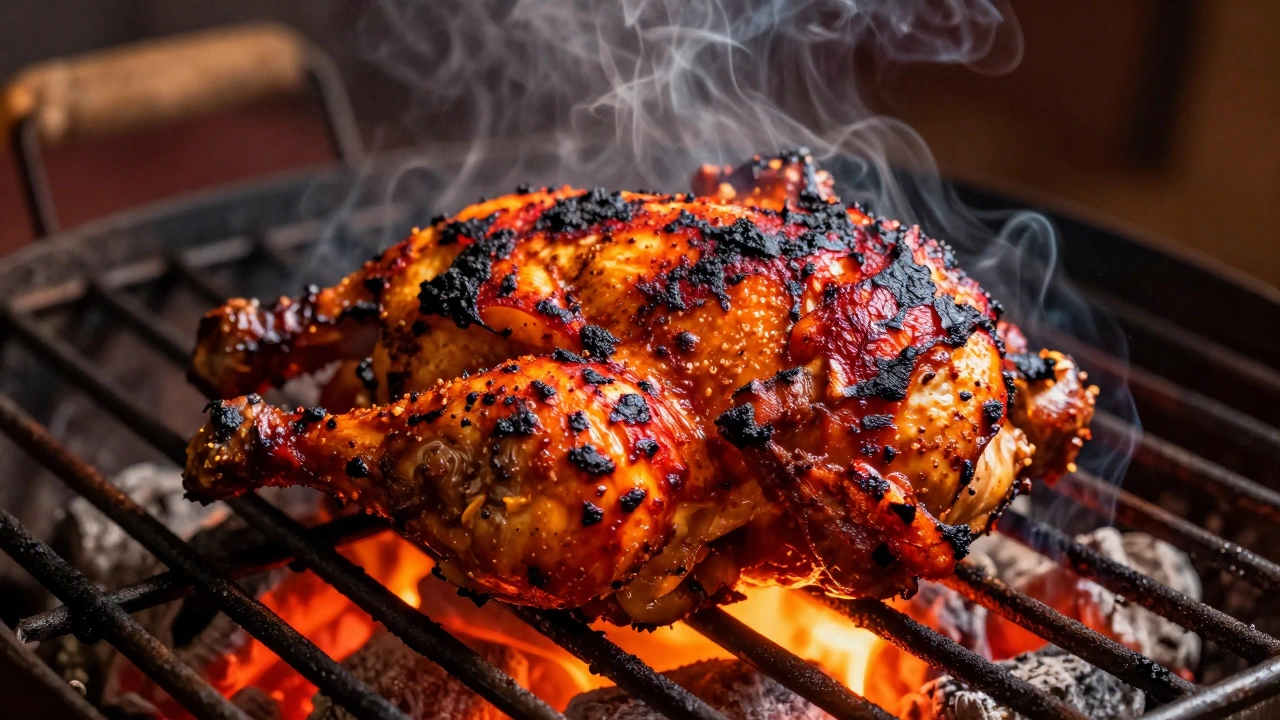
1. The Crust Factor When you cook tandoori chicken, whether in a real tandoor (clay oven reaching 900°F/480°C) or a home grill, you want a smoky, charred exterior. Yogurt contains milk solids and fats. When exposed to high heat, these solids undergo the Maillard reaction-the same chemical process that browns steak or toast. This creates that signature dark red-orange crust. Buttermilk lacks sufficient solids, so it tends to steam the meat rather than sear it, resulting in a paler, softer finish.
2. Spice Adhesion Tandoori marinades rely heavily on Kashmiri Chili Powder is a mild, vibrant red chili powder used primarily for color in Indian cuisine, turmeric, cumin, and coriander. These powders need a sticky medium to cling to the chicken. Yogurt acts like glue. If you use buttermilk, the spices often slide off during handling or wash away when the juices release on the grill. With yogurt, the spice paste stays put, ensuring every bite is flavorful.
3. Moisture Retention Because yogurt forms a thick layer, it seals in the natural juices of the chicken. In a traditional tandoor, the intense heat cooks the meat rapidly. Without that protective yogurt shield, the lean parts of the chicken would dry out instantly. Yogurt ensures the interior remains succulent even while the exterior chars.
When Buttermilk Is Actually the Better Choice
Don’t throw out your buttermilk yet. While it loses the tandoori battle, it wins in other scenarios. If you are making Chicken Tikka is cubed pieces of boneless chicken marinated and grilled, often served as an appetizer or preparing chicken for frying, buttermilk shines.
1. Deep Penetration for Uniform Flavor If you are cutting chicken into small cubes for tikka or kebabs, you want the flavor inside, not just on the skin. Buttermilk’s thin consistency allows it to seep into the crevices of the meat. This results in a more uniform taste throughout the piece, whereas yogurt might leave the center bland if not marinated long enough.
2. Lighter Texture for Frying If you are adapting Indian flavors for fried chicken (think spicy buttermilk fried chicken), buttermilk is superior. It creates a lighter, crispier batter when combined with flour or cornstarch. Yogurt can make batters dense and heavy. The acidity in buttermilk also breaks down connective tissues efficiently, making even tough thighs incredibly tender after a short soak.
3. Less Risk of Burning Spices In lower-heat cooking methods, like baking or slow-roasting, yogurt’s sugars and solids can sometimes burn before the chicken is fully cooked. Buttermilk, being mostly water and acid, burns less easily. If you are roasting chicken at 375°F (190°C) for an hour, buttermilk provides a safer margin against bitter, burnt marinade residues.
The Hybrid Approach: Best of Both Worlds
Many professional chefs don’t choose sides. They combine both. This is the secret to many high-end Indian restaurants’ tandoori dishes. By mixing plain Greek yogurt with a splash of buttermilk, you get the coating power of yogurt and the penetrating tenderness of buttermilk.
Here is a simple ratio to try:
- 1 cup thick plain yogurt (full fat works best)
- 2-3 tablespoons buttermilk (to thin the mixture slightly)
- Spices and aromatics
Critical Mistakes to Avoid in Your Marinade
Regardless of which dairy product you choose, certain errors will ruin your chicken. Avoid these common pitfalls:
- Using Sweetened Yogurt: Never use flavored, vanilla, or sweetened yogurt. The sugar will caramelize quickly and burn, giving your chicken a bitter taste. Always use plain, unsweetened yogurt.
- Marinating Too Long: Acid is powerful. If you leave chicken in buttermilk or yogurt for more than 24 hours, the proteins break down too much, resulting in a mealy, mushy texture. For yogurt, 4-12 hours is ideal. For buttermilk, 2-6 hours is sufficient.
- Skipping Salt: Salt draws out moisture initially but then helps the meat reabsorb seasoned juices. Don’t skip salting your marinade, or your chicken will taste flat despite all the spices.
- Using Low-Fat Dairy: Fat carries flavor and adds richness. Low-fat or non-fat yogurt/buttermilk can result in a dry, chalky texture. Whole milk products yield the juiciest results.
Step-by-Step: How to Marinate for Maximum Tenderness
Ready to test this? Follow this method for the best results, whether you choose yogurt, buttermilk, or both.
- Prep the Chicken: Pat your chicken dry with paper towels. Moisture on the surface prevents the marinade from sticking. Score the meat lightly with a knife to help the marinade penetrate.
- Mix the Base: In a bowl, whisk your chosen dairy (yogurt, buttermilk, or mix) until smooth. No lumps.
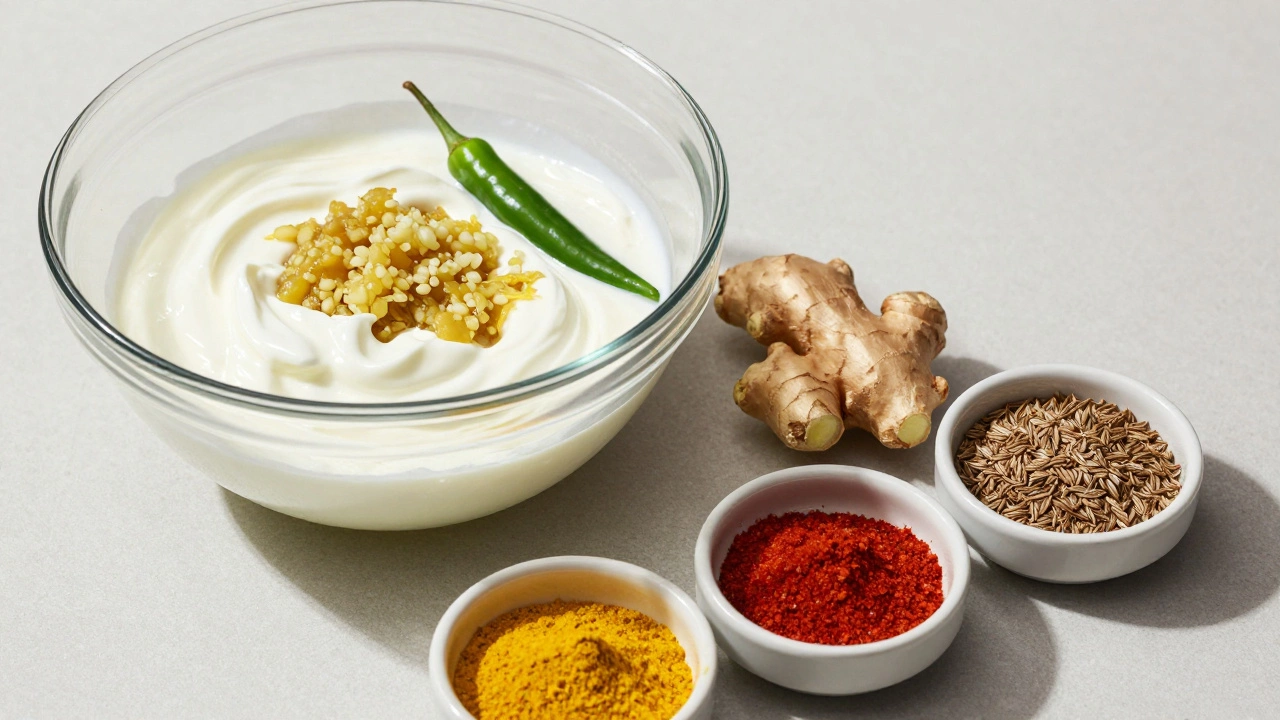
- Add Aromatics: Blend ginger, garlic, and green chilies into a fine paste. Add this to the dairy. Fresh aromatics penetrate better than powdered ones.
- Incorporate Spices: Add Kashmiri chili powder (for color), turmeric, cumin, coriander, garam masala, and salt. Mix thoroughly.
- Coat Generously: Place chicken in a zip-top bag or bowl. Pour marinade over it. Massage it in. Ensure every nook is covered.
- Rest: Refrigerate for at least 4 hours, preferably overnight. Do not exceed 24 hours.
- Cook High and Fast: Preheat your grill or oven to its highest setting. Cook until charred on the outside and 165°F (74°C) internal temperature.
Frequently Asked Questions
Can I use sour cream instead of yogurt for tandoori chicken?
Yes, you can. Sour cream has a similar thickness and fat content to yogurt, so it will create a good crust and tenderize the meat. However, sour cream has a distinct tangy flavor that differs from traditional Indian yogurt. For authenticity, stick to plain yogurt, but sour cream is an acceptable substitute if that’s all you have.
Does lemon juice replace the need for buttermilk or yogurt?
No. Lemon juice provides acidity but lacks the fats and proteins found in dairy. Without the dairy base, the marinade won’t coat the chicken well, and the meat may become tough rather than tender. Lemon juice is best used as an addition to yogurt or buttermilk, not a replacement.
Why does my tandoori chicken turn black instead of red?
This usually happens because of burning spices or using too much oil. To get the vibrant red color, use Kashmiri chili powder, which offers color without excessive heat. Also, ensure your grill isn’t too close to the flame. If using yogurt, the solids should brown nicely, but if it turns black, reduce the heat or move the chicken further from the source.
Is it safe to reuse leftover marinade as a sauce?
No, never reuse raw marinade that has touched uncooked chicken. It contains harmful bacteria like Salmonella. If you want a sauce, set aside a portion of the marinade before adding it to the raw chicken, then boil that reserved portion for at least 2 minutes to kill bacteria before serving.
What is the difference between Greek yogurt and regular yogurt for marinating?
Greek yogurt is strained, removing much of the whey, making it thicker and higher in protein. This makes it excellent for coating chicken and preventing drips on the grill. Regular yogurt is thinner and may require straining or adding less liquid to achieve the right consistency. Both work well, but Greek yogurt often yields a better crust.