Chutney Substitute Finder
Select the type of chutney you need to replace, and we'll suggest the closest alternative from your pantry.
Pro Tip:
You’re standing in your kitchen, holding a packet of samosas or a plate of idli, and you realize you have zero chutney. Panic sets in? Don’t. The truth is, "chutney" isn't one single thing. It’s a massive category of condiments ranging from sweet jams to fiery fresh pastes. If you can’t find the specific jar you need, you likely have something in your fridge that will do the job just fine. The closest thing to chutney depends entirely on which type you’re trying to replace. Are you looking for that sweet, fruity spread for your cheese board, or the spicy, herbaceous dip for your tacos? Let’s break down the best swaps so you never have to eat dry food again.
Understanding What Chutney Actually Is
Before we swap ingredients, we need to clear up a common confusion. In India, where the word originates, Chutney is a broad term for any sauce or relish made from fruits, vegetables, herbs, or spices, often served fresh or preserved with vinegar and sugar. It is not always sweet. In fact, many traditional Indian chutneys are savory, spicy, or tangy. However, in Western supermarkets, when you see a jar labeled "Mango Chutney," it’s usually a cooked, sweet-and-sour preserve similar to a jam. This distinction matters because swapping a sweet mango chutney for a fresh mint sauce won’t work, and vice versa.
So, ask yourself: what flavor profile am I missing? Sweet and sticky? Fresh and green? Hot and acidic? Once you identify the vibe, finding a substitute becomes easy. Here is how different types stack up against their closest relatives.
Fresh Green Chutneys: Mint and Cilantro Swaps
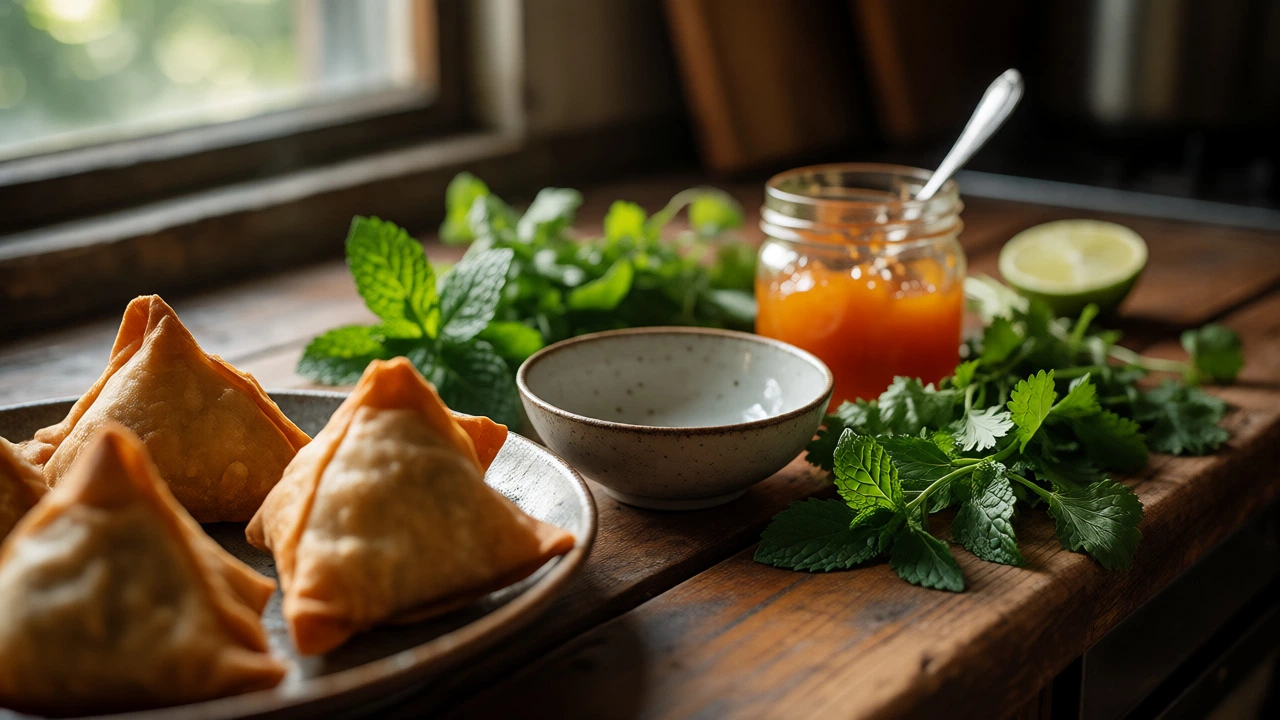
If your recipe calls for Mint Chutney a fresh, cooling condiment made primarily from mint leaves, cilantro, green chilies, and lime juice, typically used with fried snacks like pakoras or samosas, you don’t need to run to an Indian grocery store. You probably already have the base ingredients.
The closest direct substitute is a simple yogurt-based herb sauce. Blend fresh mint and parsley (if you lack cilantro) with plain yogurt, a squeeze of lemon, and a pinch of salt. This mimics the creamy texture and cooling effect of raita or mint chutney. It lacks the intense herbal punch of pure mint, but it balances heat perfectly.
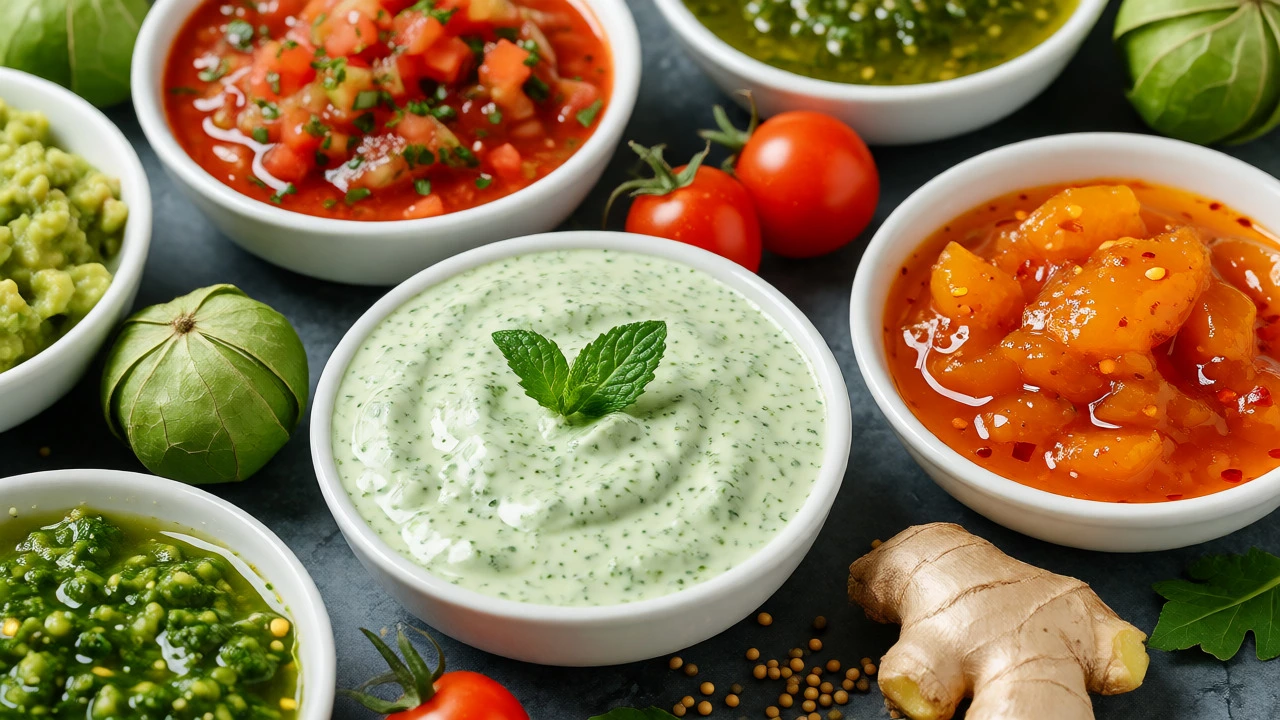
Another great option is Salsa Verde a Mexican sauce made from tomatillos, cilantro, jalapeños, and onions, known for its bright, acidic, and herbaceous flavor profile. While salsa verde uses tomatillos instead of tamarind or lime as the acid source, the cilantro and chili combination hits very similar notes. If you want it closer to Indian flavors, add a teaspoon of cumin powder to your salsa verde. Suddenly, it tastes suspiciously like a South Indian coconut-chili chutney without the coconut.
- For Samosas: Mix chopped mint, coriander, onion, and lemon juice with a little oil.
- For Tacos: Use store-bought salsa verde, but stir in some fresh mint if available.
- For Curries: A dollop of pesto thinned with lemon juice can surprisingly mimic the herbal depth of basil-heavy chutneys.
Sweet and Tangy Preserves: Mango Chutney Alternatives
This is where most people get stuck. They want that sticky, sweet, fruity spread for their sandwich or curry accompaniment. If you don’t have mango chutney, look at your pantry for fruit preserves. The key here is acidity. Chutney isn’t just jam; it has vinegar or tamarind to cut through the sweetness.
The absolute closest substitute is Apricot Jam a sweet preserve made from apricots, often mixed with ginger or spices in commercial varieties, which shares a similar tartness and color profile with mango. Apricots have a natural tanginess that peaches or strawberries lack. To make it more chutney-like, stir in a teaspoon of apple cider vinegar and a pinch of chili flakes into your apricot jam. Boom. Instant fake mango chutney.
Other viable options include:
- Pineapple Salsa: If you want something fresh rather than preserved, pineapple salsa offers the same tropical sweetness and acidity.
- Apple Sauce with Ginger: Plain applesauce is too bland. But mix it with grated fresh ginger and a splash of vinegar, and you get a sharp, sweet condiment that pairs well with pork or chicken.
- Cranberry Sauce: Often overlooked, cranberry sauce has the right balance of sugar and acid. It’s sharper than mango, but it works beautifully with roasted meats.
Spicy and Savory: Tomato and Coconut Substitutes
South Indian cuisine relies heavily on coconut chutney and tomato-based dips. These are savory, umami-rich, and often spicy. If you’re out of coconut chutney, try Guacamole a Mexican avocado-based dip seasoned with lime, salt, and cilantro, which provides a creamy, fatty mouthfeel similar to coconut. Guacamole doesn’t taste like coconut, obviously, but it fulfills the same culinary role: coating the palate, cooling down spice, and adding richness to dry foods like dosa or idli.
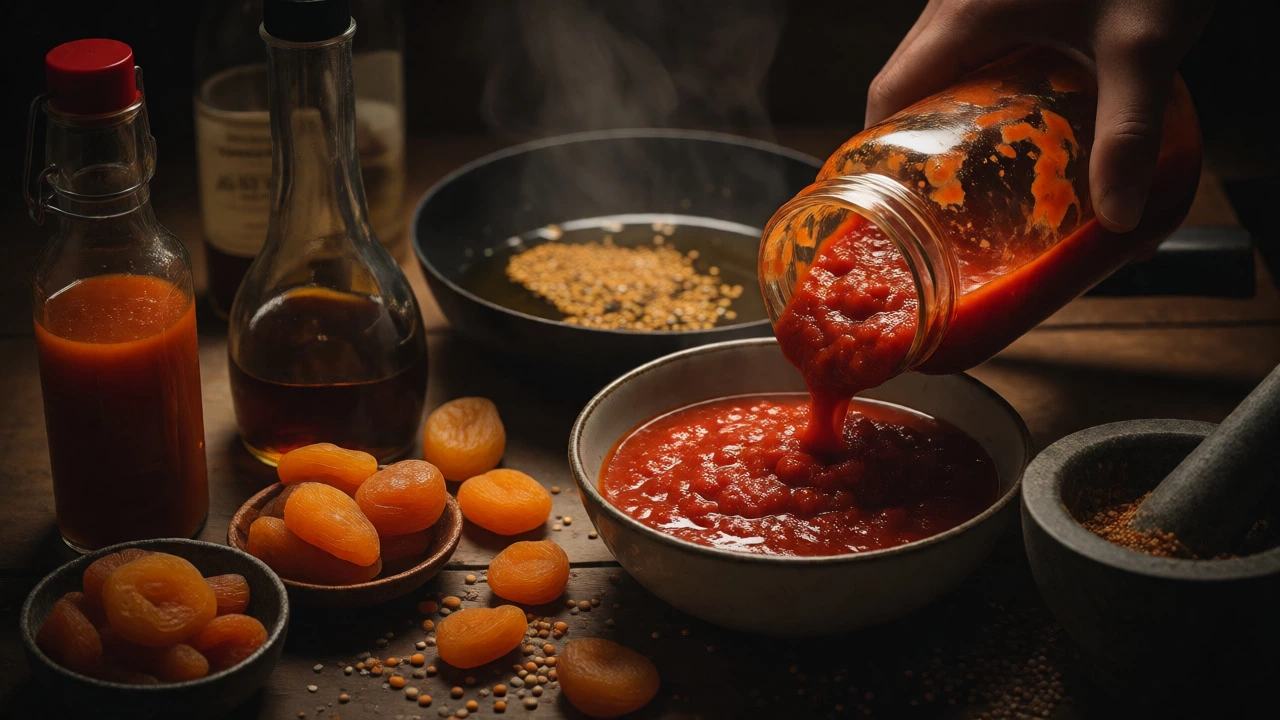
For tomato chutney, look no further than standard Marinara Sauce an Italian tomato-based sauce typically flavored with garlic, oregano, and olive oil, widely available in most households. Yes, really. Marinara is essentially a cooked tomato paste. To make it Indian-style, sauté some mustard seeds and curry leaves in oil, then pour them over your warmed marinara. Add a pinch of turmeric and red chili powder. You’ve just transformed pasta sauce into a respectable tomato chutney.
| Original Chutney Type | Best Substitute | Why It Works | Pro Tip |
|---|---|---|---|
| Mint/Cilantro (Fresh) | Salsa Verde | Herbaceous, acidic, spicy | Add cumin for Indian flair |
| Mango (Sweet/Sour) | Apricot Jam + Vinegar | Similar tartness and color | Add ginger and chili flakes |
| Coconut (Creamy) | Guacamole | Creamy texture, fat content | Add lime to match acidity |
| Tomato (Savory) | Marinara Sauce | Umami, tomato base | Tamper with mustard seeds |
| Tamarind (Sour) | Balsamic Glaze | Deep sour-sweet profile | Dilute with water if too thick |
Regional Variations and Cultural Context
It’s worth noting that chutney isn’t just an Indian concept. The British colonial era introduced chutneys to Europe, leading to creations like Major Grey’s Chutney, which is heavy on dried fruits and vinegar. If you’re following a British-style recipe, Relish a condiment made from finely chopped vegetables pickled in vinegar, such as piccalilli or cucumber relish, often serves as a textural and functional equivalent might be closer than jam. Piccalilli, for instance, has the chunky texture and vinegar bite found in many savory Indian chutneys.
In Southeast Asia, Achar a pickle or chutney common in Malaysia and Indonesia, typically made from vegetables or fruits fermented in oil and vinegar, shares DNA with Indian achaar is essentially a spiced pickle. If you have achar, you have chutney. Just mash it up a bit. The fermentation adds a complexity that fresh chutneys sometimes lack, making it perfect for pairing with rich, oily dishes.
How to Make Your Own Quick Chutney
Honestly, the best substitute is often a five-minute homemade version. You don’t need special equipment. If you have a blender or even a mortar and pestle, you can make better chutney than most jars on the shelf.
Try this basic formula for a generic fresh chutney: 1. Take a handful of fresh herbs (mint, cilantro, or basil). 2. Add one clove of garlic. 3. Include a small piece of ginger. 4. Add one green chili (or half a jalapeño). 5. Squeeze in half a lime. 6. Add a tablespoon of yogurt or coconut milk for creaminess. 7. Blend until smooth.
This takes less time than driving to the store, and you control the heat level. Plus, you avoid the preservatives and excess sugar found in commercial brands. For a sweet version, skip the herbs and blend cooked fruit (like apples or pears) with vinegar, sugar, and spices like cinnamon or cloves. Simmer for ten minutes, and you have a quick fruit chutney.
Common Mistakes When Substituting
Don’t just swap blindly. Consider the dish you’re serving. Serving a sweet mango chutney substitute with a delicate fish curry might overpower the main ingredient. Similarly, using a heavy, oily achar with light steamed rice can feel greasy. Match the intensity of the condiment to the intensity of the food.
Also, watch the sugar content. Many Western "chutneys" are loaded with high-fructose corn syrup. If you’re substituting with jam, check the label. If it’s too sweet, add acid (vinegar or lemon) to balance it out. Chutney should wake up your taste buds, not put them to sleep with sugar.
Frequently Asked Questions
Is salsa the same as chutney?
No, but they are close cousins. Both are fresh, herbaceous, and spicy condiments. The main difference is the base ingredient and seasoning. Salsa typically uses tomatoes, onions, and cilantro with lime and cumin. Chutney often includes fruit, tamarind, or yogurt, and uses spices like coriander, cumin, and garam masala. You can use salsa as a substitute for fresh green chutneys, especially if you adjust the spices.
Can I use ketchup instead of chutney?
Ketchup is a poor substitute for authentic chutney because it lacks complexity and freshness. However, in a pinch, mixing ketchup with a little vinegar, sugar, and chili powder can mimic the sweet-sour-spicy profile of a basic tomato chutney. It won’t be traditional, but it will add flavor to fried foods.
What is the difference between chutney and pickle?
Chutney is generally softer, smoother, and eaten sooner after preparation, while pickle (achaar) involves fermenting whole or large pieces of fruit/vegetables in oil and spices for longer periods. Pickles tend to be oilier and more intensely flavored due to fermentation. Some chutneys, like mango achaar, blur the line between the two categories.
Does chutney go bad?
Yes. Fresh chutneys last only 2-3 days in the refrigerator. Cooked, preserved chutneys with high sugar and vinegar content can last months unopened and weeks once opened. Always check for mold or off smells before consuming, especially with fresh herb-based versions.
Can I freeze chutney?
You can freeze cooked fruit chutneys successfully for up to 3 months. Fresh herb chutneys do not freeze well because the herbs turn black and lose texture upon thawing. If you must freeze fresh chutney, expect a change in color and texture, though the flavor may remain acceptable for cooking purposes.