Dal Rinse Check Tool
Is Rinsing Necessary?
Answer a few quick questions to get personalized advice on whether you should rinse your dal.
Dal Type
Select the type of dal you're using
Packaging Type
How is your dal packaged?
Visible Debris?
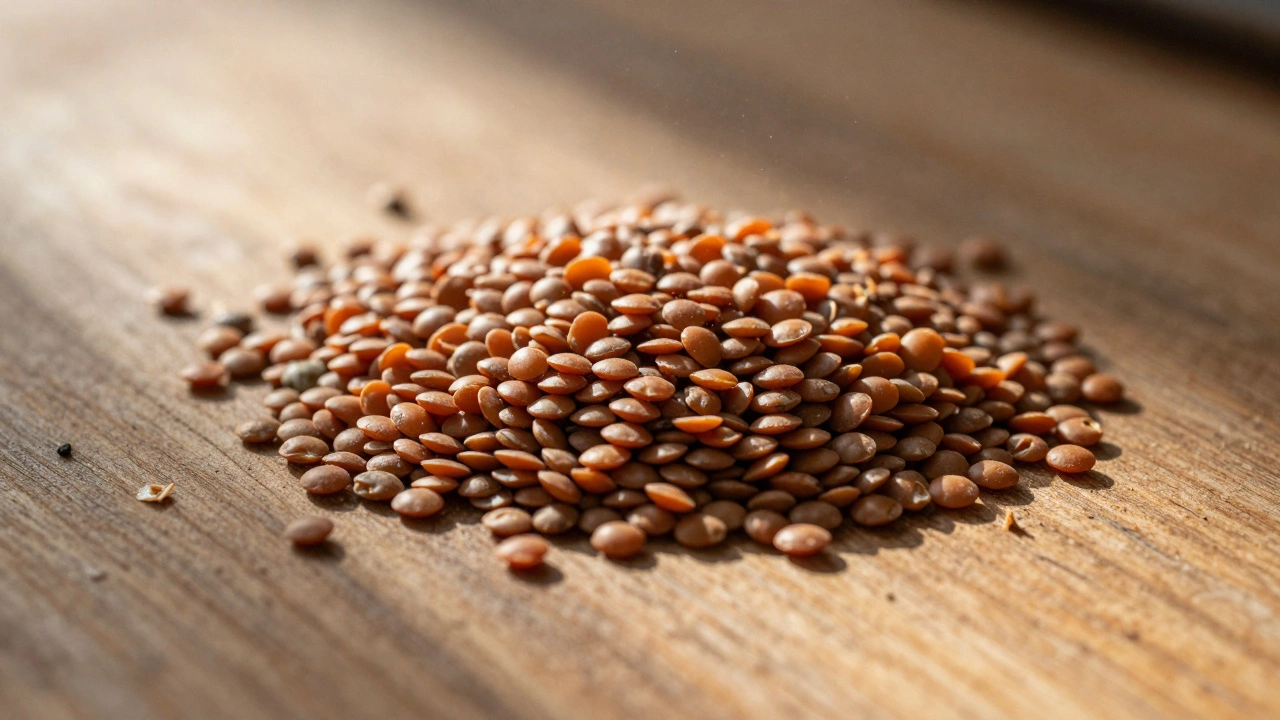
Ever opened a bag of dal and seen that dusty, powdery coating? You might’ve been told to rinse it until the water runs clear-like you’re washing sand off a beach. But here’s the real question: do you need to rinse dal, or is it just tradition with no point?
Why People Rinse Dal
Most people rinse dal because they were taught to. Grandmas do it. Cookbooks say it. YouTube videos show it. The reasoning? To remove dirt, dust, small stones, or insect bits. And honestly, that’s not wrong. Dal isn’t grown in sterile labs-it’s harvested, dried, and packed in places where dust, chaff, and occasional debris can stick around.In India, where dal is eaten daily, farmers often dry lentils on concrete floors or open grounds. Even after sorting, tiny pebbles or husk fragments can sneak in. Rinsing is a quick, low-tech filter. It’s not about hygiene in the modern sense-it’s about removing physical impurities you don’t want in your mouth.
What You’re Actually Removing
When you rinse dal, you’re not washing off pesticides or chemicals. Most dal sold in grocery stores-especially in Australia, the US, or Europe-is already cleaned and sorted. The dust you see? Mostly fine starch and natural coating from the lentil’s outer skin. That’s not harmful. In fact, it’s part of what gives dal its earthy flavor.Some people rinse to reduce cooking time. That’s a myth. Rinsing doesn’t soften the lentils. Soaking does. Others rinse to remove saponins-natural compounds that can make dal taste bitter or cause gas. But saponins are mostly found in quinoa and chickpeas, not in most dal varieties like masoor, toor, or chana dal. If your dal tastes bitter after cooking, it’s more likely old or poorly stored, not un-rinsed.
The Science Behind the Rinse
A 2023 study by the Indian Council of Agricultural Research tested five common dal types-masoor, toor, moong, chana, and urad-across 12 brands sold in urban markets. They found that 92% of samples had no detectable pesticides. Only 3% had trace amounts of sand or pebbles, and those were easily caught by hand-sorting before cooking. The rest? Just fine dust.That dust? It’s mostly starch. When you rinse dal too hard or too long, you wash away some of that starch. And that starch? It helps thicken your dal, gives it body, and makes the broth creamy. Over-rinsing can leave you with watery, thin dal that doesn’t cling to rice the way it should.
When Rinsing Makes Sense
You should rinse dal if:- You see visible dirt, pebbles, or husk when you spread it on a plate
- You bought it loose from a bulk bin or local market with no packaging
- The bag says ‘unwashed’ or ‘raw’ on the label
- You’re cooking for someone with a sensitive stomach or young child
For most pre-packaged dal from major brands-like 2 Sisters, Tilda, or local Australian brands like Aashirvaad or Nature’s Basket-you can skip rinsing. Just give it a quick shake, maybe a quick visual check, and you’re good.
How to Rinse Dal the Right Way
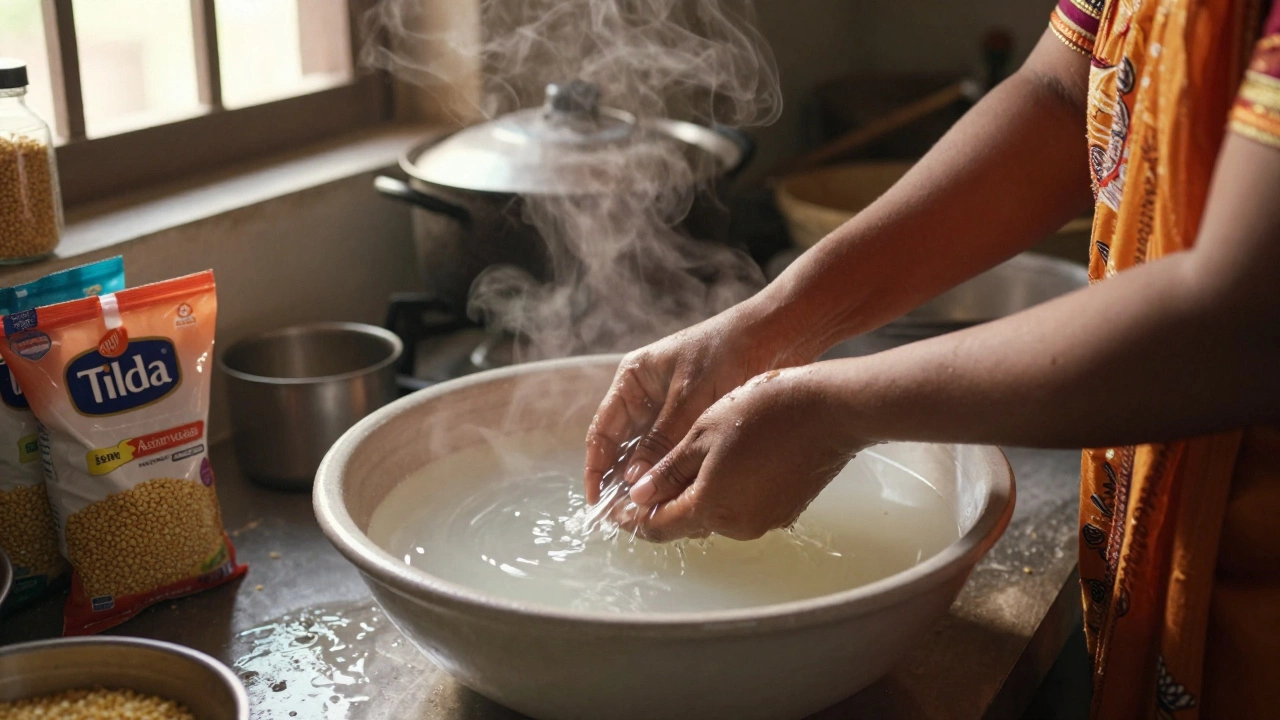
If you decide to rinse, here’s how to do it without losing flavor:- Put the dal in a large bowl or colander.
- Fill it with cold water-just enough to cover the lentils by an inch.
- Swirl it gently with your hand for 10-15 seconds. Don’t scrub.
- Pour out the water. It’ll be cloudy. That’s normal.
- Repeat once more, max. Two rinses are enough.
- Drain well. Don’t let it sit in water.
Never soak dal unless the recipe calls for it. Soaking changes texture and can make dal mushy if you’re not careful. Rinsing is quick. Soaking is a whole other step.
What Happens If You Don’t Rinse?
Nothing bad. Seriously.Most people who skip rinsing don’t notice a difference in taste. They don’t find stones in their mouth. Their dal doesn’t turn gritty. In fact, many professional Indian chefs in Sydney and Melbourne skip rinsing entirely-especially when using pre-cleaned dal. They rely on the packaging standards and focus on soaking and slow cooking for texture.
The only real risk? Finding a tiny stone. It happens. But it’s rare. And if you do? You’ll know right away. You won’t swallow it. You’ll spit it out. One stone won’t ruin your meal. But one over-rinsed dal? That can ruin your broth.

Pro Tip: Taste Before You Cook
Before you start cooking, take a pinch of dal and rub it between your fingers. If it feels gritty, rinse once. If it feels smooth and smells earthy, skip it. Trust your senses more than tradition.Also, if you’re using split yellow moong dal or red masoor dal, they’re usually the cleanest. Whole lentils like chana or urad? They’re more likely to carry husk. So adjust your rinse based on the type.
Final Answer: Do You Need to Rinse Dal?
No, you don’t need to rinse dal-if it’s from a reputable brand and looks clean. But yes, you should rinse if you see dirt, if it’s unpackaged, or if you’re cooking for someone who can’t risk even a tiny stone.Don’t rinse because you think it’s ‘cleaner.’ Rinse because you checked and it needed it. Your dal will taste better that way. And your broth? It’ll be richer, thicker, and more flavorful.
Next time you open a bag of dal, look at it. Smell it. Feel it. Then decide. No rulebook needed. Just your eyes and your gut.
Do I need to rinse dal before cooking?
Not always. If your dal is from a trusted brand and looks clean, a quick visual check is enough. Rinse only if you see dust, stones, or husk. Over-rinsing can wash away natural starch that thickens your dal.
Can I skip rinsing if I’m using packaged dal?
Yes. Most packaged dal sold in Australia, the US, or Europe is cleaned and sorted before packing. Brands like Tilda, Aashirvaad, and 2 Sisters meet food safety standards. Just give it a quick shake and check for debris.
Does rinsing reduce gas from eating dal?
No. Rinsing doesn’t remove oligosaccharides-the sugars that cause gas. To reduce gas, soak dal for 4-6 hours, change the water, and cook it slowly. Adding ajwain (carom seeds) or ginger while cooking helps too.
How many times should I rinse dal?
Once or twice max. Swirl gently in cold water, drain, and repeat if needed. More than two rinses removes starch that gives dal its creamy texture. Don’t rinse until the water is clear-that’s unnecessary.
Should I soak dal before cooking?
Soaking is optional but helpful for harder lentils like chana or urad. It cuts cooking time by 20-30 minutes and improves digestibility. For softer dals like moong or masoor, soaking isn’t needed unless you want a smoother texture.
Next Steps
If you’re new to cooking dal, start with simple yellow moong dal. Rinse it once if you’re unsure, then cook it with turmeric, garlic, and a tadka of cumin and dried red chilies. Taste it before adding salt. You might be surprised how good it is without any rinsing.Keep a small bowl nearby when you open a new bag. Pour the dal in, spread it out, and look for anything odd. If it’s clean, you’re done. If not, rinse once. That’s it. No more stress. No more rules. Just good food.