Garlic-Free Indian Cooking Substituter
Missing garlic? Or cooking for a friend with dietary restrictions? Select your scenario below to get tailored ingredient swaps and cooking tips.
You’re standing in your kitchen, ready to make a classic Chicken Curry a popular dish in Indian cuisine often prepared with a base of onions, tomatoes, and spices, but you realize you have no garlic. Or maybe you’re cooking for a friend who follows a Jain diet, which strictly prohibits root vegetables like garlic and onions. It feels like a disaster at first. How can you get that pungent, savory depth without the main ingredient? The truth is, Indian cuisine has been perfecting garlic-free flavors for centuries. You don’t need to compromise on taste; you just need to know which ingredients step up when garlic steps out.
The Role of Garlic in Indian Cuisine
Before we swap things out, let’s understand what garlic actually does in your pot. In most North Indian curries, garlic provides two things: a sharp, sulfurous aroma when raw or lightly cooked, and a sweet, mellow umami flavor when browned. It acts as a flavor bridge between the earthy spices and the rich proteins or vegetables. When you remove it, you aren’t just losing a smell; you’re removing a key layer of complexity. The goal isn’t to find a single ingredient that tastes exactly like garlic-because nothing really does-but to replicate that savory kick using different tools from your spice box.
Asafoetida (Hing): The King of Substitutes
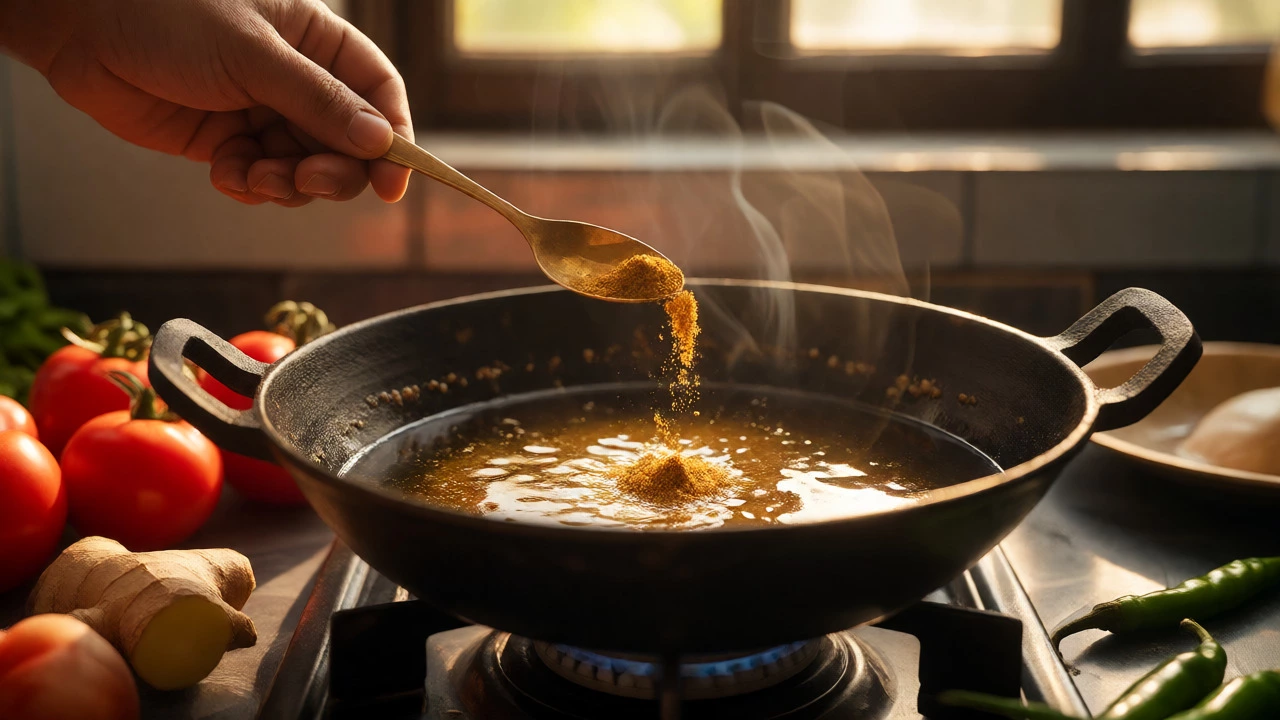
If there is one ingredient that stands head and shoulders above the rest, it’s Asafoetida a dried latex extracted from the taproot of several species of Ferula, used as a culinary spice. Often called "Devil's Dung" because of its potent raw smell, it transforms completely when heated in oil. This is the secret weapon in Jain and Ayurvedic cooking. A tiny pinch, fried in hot ghee or oil, releases a scent remarkably similar to sautéed onions and garlic combined.
Here is the trick most beginners miss: never add hing directly to water or cold oil. It needs heat to bloom. Fry a quarter-teaspoon of hing powder in a tablespoon of hot ghee until it turns slightly golden and fragrant before adding your other ingredients. If you are making a dal, throw it in during the tempering stage (tadka). For a chicken curry, add it right after heating the oil and before adding ginger. It adds a deep, savory undertone that mimics the background note of garlic perfectly.
Ginger: The Sharp Alternative
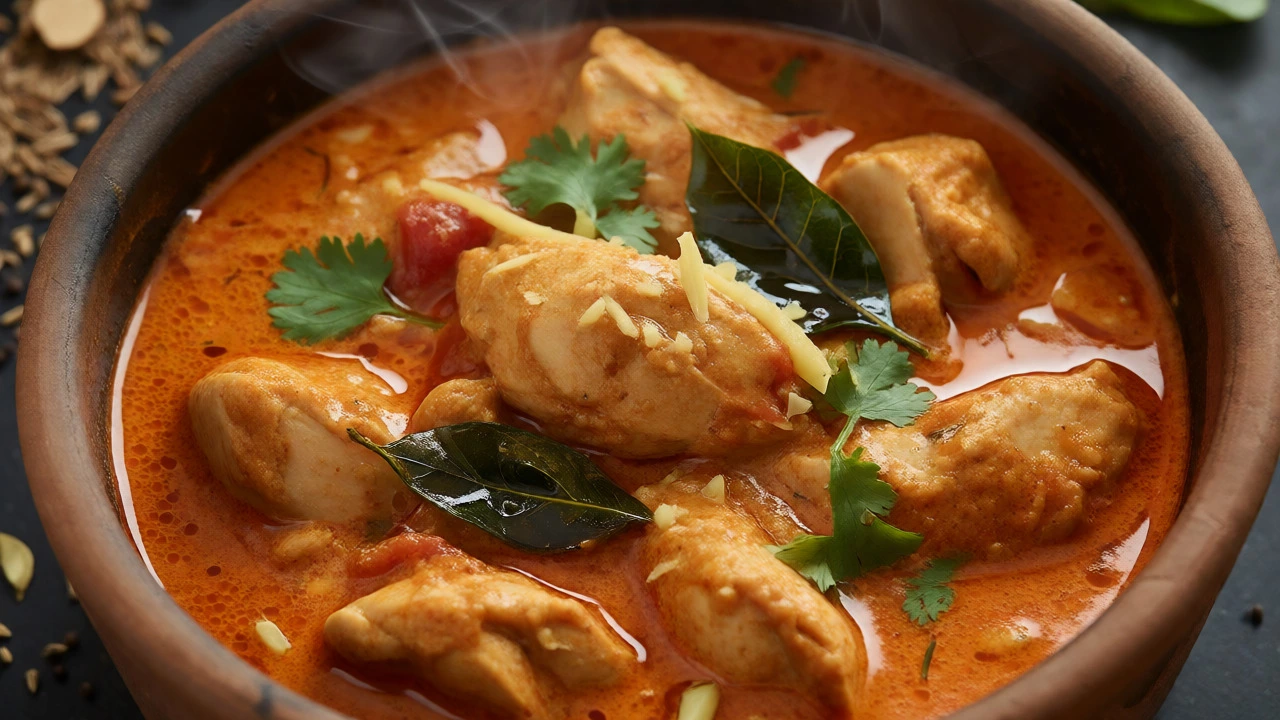
While Ginger a flowering plant whose rhizome is widely used as a spice and folk medicine doesn’t taste like garlic, it shares that spicy, zesty punch. In many South Indian dishes, ginger is already the star. If you are omitting garlic, increase your ginger quantity by about 25-50%. Use fresh ginger, grated or finely minced, rather than powdered, to get the best texture and flavor release.
Ginger brings a bright, citrusy heat that cuts through the richness of coconut milk or cream-based gravies. It works exceptionally well in seafood curries and vegetable stir-fries where garlic might otherwise overpower the delicate flavors. Just be careful not to burn it; burnt ginger turns bitter quickly. Sauté it gently with cumin seeds to build a flavorful base.
| Substitute | Flavor Profile | Best Used In | Usage Tip |
|---|---|---|---|
| Asafoetida (Hing) | Sulfurous, onion-like, savory | Dals, Lentils, Pickles | Fry in hot oil/ghee first |
| Green Chilies | Spicy, fresh, vegetal | Stir-fries, Fish Curries | Add late to retain freshness |
| Curry Leaves | Aromatic, nutty, herbal | Tempering (Tadka), Rice | Crisp them in oil |
| Lemon Juice | Acidic, bright, tangy | Marinades, Light Gravies | Add at the end to avoid bitterness |
| Mustard Seeds | Pungent, nutty, sharp | South Indian Dishes | Pop them in hot oil |
Building Depth Without Onion or Garlic
Often, people asking about garlic substitutes are also avoiding onions due to religious or dietary reasons (like Satvik or Jain diets). This creates a double challenge: how do you build the thick, sweet base of a curry without the onion-garlic combo? You rely on tomatoes and cashews.
Tomatoes provide the acidity and body. Cook them down thoroughly until they break apart and turn into a paste. This process, known as "bhunao," concentrates their natural sugars. To replace the creamy mouthfeel that garlic sometimes contributes, blend soaked cashew nuts into a smooth paste and stir it into your gravy. Cashews add a subtle sweetness and richness that makes the sauce feel luxurious, even without alliums.
Another powerful tool is yogurt. Marinating your chicken in spiced yogurt tenderizes the meat and adds a tangy depth. When cooked, the yogurt caramelizes slightly, creating complex flavors that stand independently of garlic. Ensure you whisk the yogurt well before adding it to hot pans to prevent curdling.
Regional Variations: Where Garlic Isn't Missing
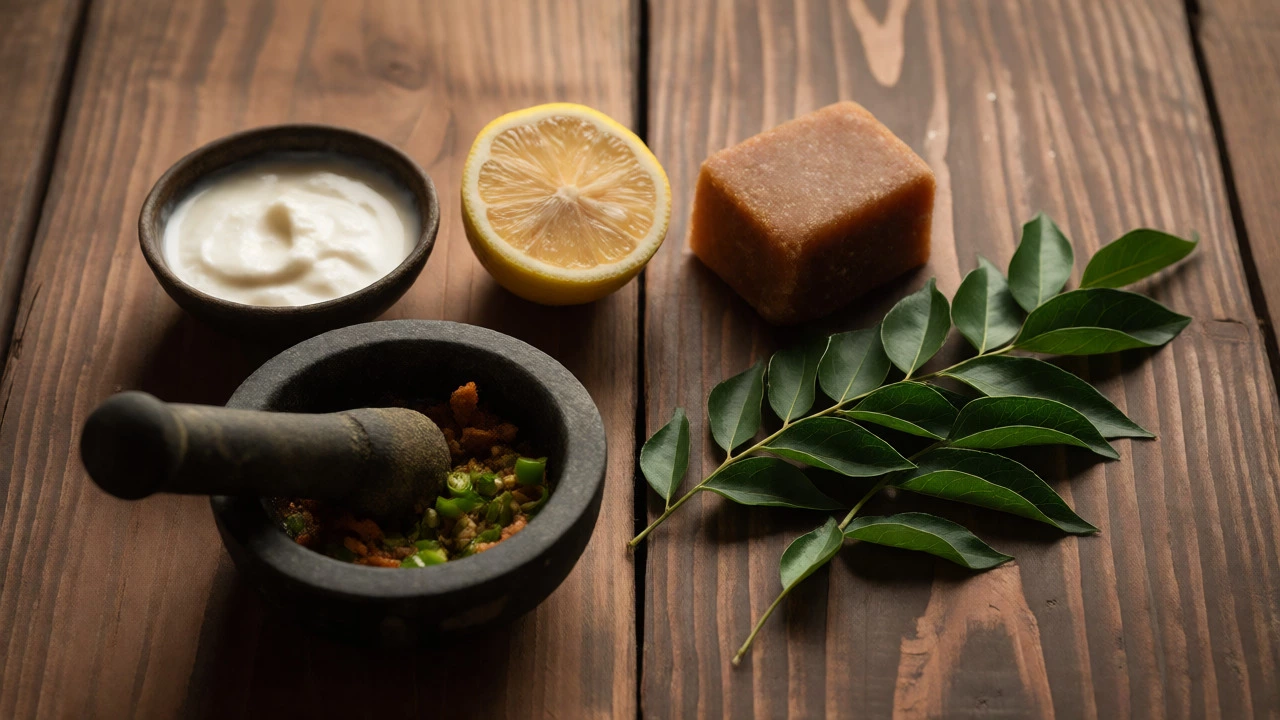
It helps to look at regional cuisines that naturally use less garlic. Kerala Cuisine a style of cooking originating from Kerala, India, featuring extensive use of coconut, curry leaves, and mustard seeds relies heavily on coconut, curry leaves, and mustard seeds for flavor. A traditional Kerala fish curry gets its character from the sourness of kokum fruit or tamarind and the crunch of tempered mustard seeds, not garlic.
Similarly, Gujarati thalis often feature dishes that skip garlic entirely, leaning on jaggery (unrefined sugar) and lemon for balance. By studying these traditions, you learn that Indian food is incredibly diverse. Not every curry needs a garlic-heavy base. Embracing the specific spice profiles of these regions can inspire new ways to cook familiar dishes without feeling like something is missing.
Practical Tips for Your Next Chicken Curry
So, how do you put this together for that chicken curry recipe? Here is a simple workflow for a garlic-free version:
- Heat Oil/Ghee: Start with a generous amount of ghee for better flavor absorption.
- Temper Spices: Add cumin seeds and a pinch of asafoetida. Let them sizzle and release their aroma.
- Add Ginger: Toss in extra freshly grated ginger. Sauté until fragrant.
- Build the Base: Add tomato puree and cook until the oil separates. This is crucial for depth.
- Protein & Liquid: Add your marinated chicken. Pour in water or stock. Simmer until cooked.
- Finish:** Stir in a splash of lemon juice and fresh cilantro just before serving to brighten the dish.
This method ensures your curry remains aromatic and satisfying. You’ll notice guests rarely miss the garlic if the other spices are balanced correctly.
Can I use garlic powder instead of fresh garlic?
Yes, but it changes the profile. Garlic powder is more concentrated and lacks the fresh bite. Use half the amount of fresh garlic (e.g., 1 teaspoon powder for 2 cloves fresh). However, if you are avoiding garlic for health or religious reasons, powder still contains the compound allicin and may not be suitable.
What is the difference between hing and garlic?
Hing (asafoetida) is a resin from a fennel-like plant, while garlic is a bulb vegetable. Hing has a much stronger, sulfurous smell when raw but tastes mild and onion-like when cooked. It is often used in smaller quantities than garlic and is considered easier to digest in Ayurvedic practices.
Do all Indian recipes require garlic?
No. Many traditional recipes, especially in Jain, Satvik, and some South Indian vegetarian cuisines, exclude garlic and onions entirely. These dishes rely on ginger, green chilies, curry leaves, and tamarind for flavor.
How do I store asafoetida so it doesn't lose potency?
Store hing in an airtight glass container away from light and heat. Because it is volatile, plastic containers can absorb the smell and weaken the spice. Keeping it in the refrigerator can extend its shelf life significantly.
Is garlic bad for digestion?
For some people, yes. Garlic is high in fructans, which can cause bloating and gas in individuals with IBS. Asafoetida is traditionally believed to aid digestion and reduce gas, making it a preferred substitute for those with sensitive stomachs.