Dal Soaking Time Calculator
Recommended Soaking Time:
Key Tips for This Dal
Soaking dal isn’t just a step you skip because you’re in a hurry-it’s the difference between mushy, undercooked lentils and tender, flavorful dal that falls apart just right. If you’ve ever bitten into a hard dal kernel or ended up with a pot of gritty, unevenly cooked lentils, you’re not alone. Most people don’t realize how much soaking affects the final dish. The truth? Soaking time isn’t one-size-fits-all. It depends on the type of dal, your stove, and even the water hardness where you live.
Why Soak Dal at All?
Soaking isn’t just tradition-it’s science. Dry lentils have a tough outer skin and dense starch structure. When you soak them, water slowly penetrates, softening the skin and kickstarting enzymatic activity that breaks down complex sugars. This means two big things: faster cooking and easier digestion. Unsoaked dal can take over an hour to cook, and even then, it might stay chalky inside. Soaked dal? Often ready in 20-30 minutes. Plus, soaking reduces phytic acid, which can block mineral absorption. If you’re eating dal regularly, soaking makes it more nutritious.
Soaking Times by Dal Type
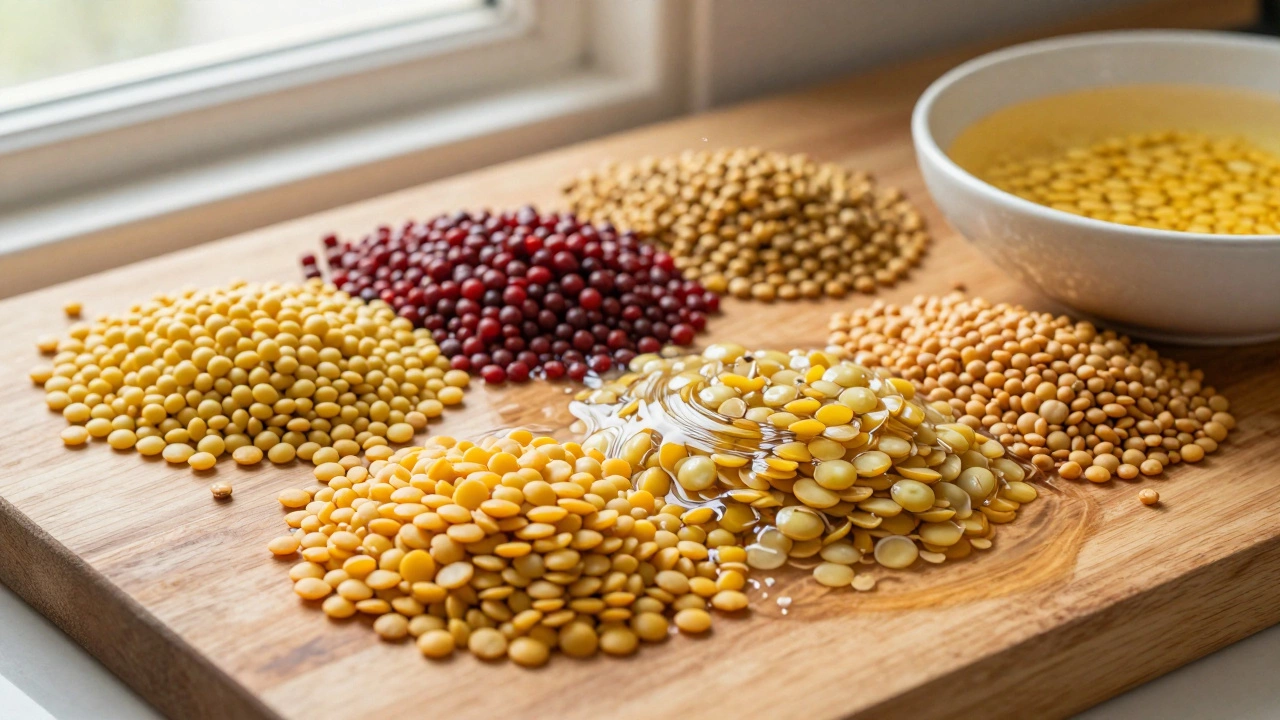
Not all dals are the same. Each variety has its own density and water absorption rate. Here’s what works in real kitchens, tested across Sydney, Delhi, and Toronto:
- Yellow moong dal (split mung beans): 30 minutes to 2 hours. These are small and thin-they soak fast. If you’re in a rush, 30 minutes is enough. For the creamiest texture, go for 2 hours.
- Red lentils (masoor dal): 15-30 minutes. They break down quickly, so don’t over-soak. Even 15 minutes helps reduce cooking time and prevents them from turning to paste too soon.
- Chana dal (split chickpeas): 4-6 hours, or overnight. These are dense and hard. If you skip soaking, they’ll need 45-60 minutes of simmering and still might be grainy.
- Toor dal (split pigeon peas): 2-4 hours. This is the most common dal for sambar. Soaking cuts cooking time by nearly half and gives you that smooth, velvety texture.
- Urad dal (split black gram): 4-8 hours, preferably overnight. It swells up a lot and needs time to soften fully. Under-soaked urad dal won’t whip up into fluffy idlis or soft dhals.
Pro tip: If your water is hard (high in minerals), soak dal in filtered or bottled water. Hard water can slow absorption and leave dals firm even after soaking.
What Happens If You Skip Soaking?
You can cook dal without soaking-people do it all the time. But here’s what you lose:
- More fuel and time: Unsoaked toor dal can take 50-70 minutes on the stove. Soaked? 25-30 minutes.
- Uneven texture: Some lentils turn to mush while others stay hard. Soaking evens it out.
- More gas and bloating: The oligosaccharides in unsoaked lentils aren’t broken down, and your gut bacteria ferment them-leading to discomfort.
- Less flavor absorption: Soaked dal absorbs spices and seasoning better. Dry lentils act like sponges only after they’re already cooked, so the taste stays on the surface.
One 2023 study from the Indian Institute of Food Processing Technology found that soaking toor dal for 4 hours reduced cooking time by 47% and lowered indigestible sugars by 62% compared to unsoaked lentils.
Soaking Tips That Actually Work
Here’s how to soak dal like someone who’s made it every week for years:
- Use three times the volume of water to dal. They swell up.
- Add a pinch of salt or a splash of lemon juice. It helps soften the skin faster and prevents discoloration.
- Don’t soak in hot water. Warm water might speed things up slightly, but hot water starts cooking the outside before the inside absorbs moisture-leading to uneven results.
- Drain and rinse well after soaking. The water gets cloudy with starch and compounds that cause bitterness.
- For overnight soaking, cover with a lid or cloth. Don’t leave it uncovered-dust, bugs, or fridge odors can get in.
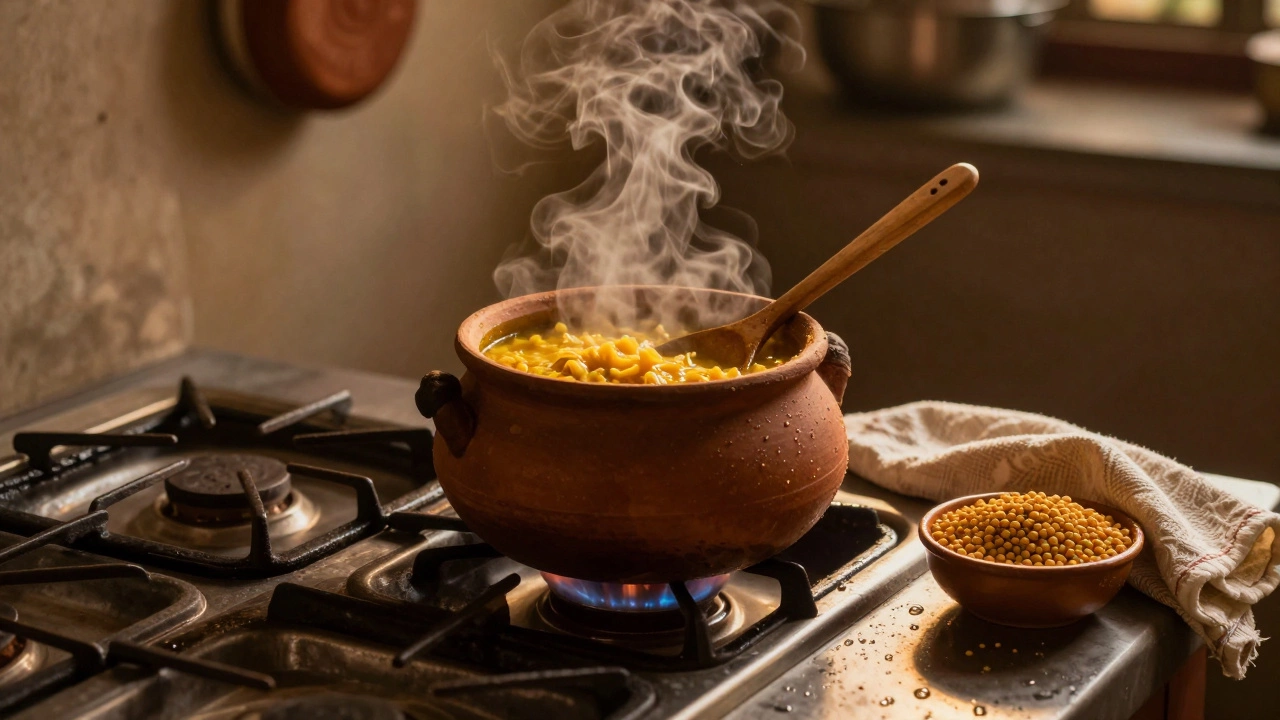
And here’s a trick most recipes don’t tell you: if you’re using a pressure cooker, soaking isn’t mandatory-but it still helps. Soaked dal cooks in 3 whistles. Unsoaked? 5-6 whistles, and you risk burning the bottom.
What About Instant Pot or Electric Cookers?
Modern pressure cookers can handle unsoaked dal without issue. But even with an Instant Pot, soaking still improves texture. For example, unsoaked chana dal might cook in 25 minutes under pressure, but it’ll still have a slight crunch. Soaked? 15 minutes, and it’s buttery soft. The time savings aren’t huge, but the quality jump is.
If you’re using a slow cooker, soaking is non-negotiable. Dry dal in a slow cooker can take 6-8 hours and often turns out gritty. Soak it first, and you’ll get rich, creamy dal in 4 hours on low.
Can You Soak Dal Too Long?
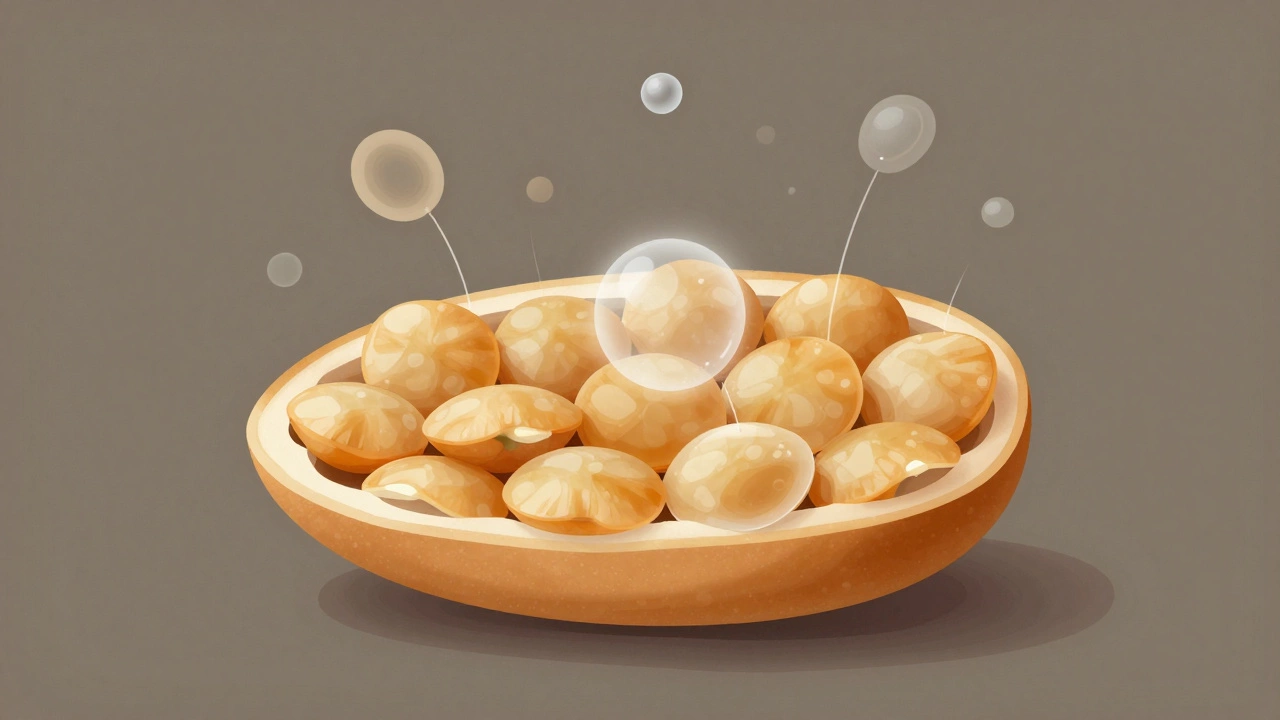
Yes. Soaking for more than 12 hours, especially in warm weather, can start fermentation. You’ll notice a sour smell, slight bubbles, or a slimy texture. That’s not bad-it’s just different. Fermented dal is used in some regional dishes like dosa batter or fermented urad dal chutney. But for regular dal, you want clean, neutral-tasting lentils. If it smells off or tastes sour before you cook it, rinse it well or start over.
Pro tip: If you forget to soak and it’s dinnertime, use the quick-soak method. Bring the dal and water to a boil for 2 minutes, then turn off the heat, cover, and let sit for 1 hour. It’s not perfect, but it’s better than nothing.
Storage After Soaking
Soaked dal doesn’t keep well at room temperature. If you soaked it in the morning and plan to cook it at night, refrigerate it. It’ll stay good for up to 12 hours. After that, the risk of bacterial growth increases. Don’t leave soaked dal out overnight unless you’re intentionally fermenting it.
Freezing soaked dal? Not recommended. The water inside the lentils expands and ruptures cell walls. When you thaw it, the dal turns to mush and loses its structure. Better to soak only what you’ll use right away.
Final Rule of Thumb
Here’s what to remember every time you reach for a bag of dal:
- Small, split dals (moong, masoor) → 30 minutes to 2 hours
- Medium dals (toor, chana) → 4-6 hours
- Large, dense dals (urad) → overnight
When in doubt, soak longer. It’s better to have dal that’s a little too soft than one that’s still crunchy in the middle. And always, always rinse after soaking. That cloudy water? It’s not dirt-it’s the stuff that makes your dal harder to digest.
Soaking dal takes a little planning, but it’s one of the easiest ways to upgrade your everyday cooking. You’ll save time, save energy, and make a dish that’s easier on your stomach and richer in flavor. Next time you make dal, give it that extra hour. You’ll taste the difference.
Can I soak dal overnight?
Yes, soaking dal overnight is ideal for larger, denser varieties like chana dal and urad dal. It ensures they cook evenly and become tender without needing extra time on the stove. Just make sure to refrigerate them if your kitchen is warm, and rinse well before cooking.
Do I need to soak red lentils?
Red lentils (masoor dal) don’t require long soaking-15 to 30 minutes is enough. They cook quickly anyway, but soaking helps them break down more evenly and reduces cooking time by about 10 minutes. Skip soaking if you’re in a hurry, but don’t expect the same creamy texture.
Why is my soaked dal still hard after cooking?
Hard dal after cooking usually means the water was too hard or you didn’t soak long enough. Try soaking for longer, or switch to filtered water. Also, check your pressure cooker’s seal-if it’s not building pressure properly, the dal won’t cook through. Adding a pinch of baking soda can help soften stubborn lentils, but use it sparingly-it affects flavor.
Should I soak dal before making dal tadka?
Yes, especially if you’re using toor dal or chana dal. Dal tadka relies on a smooth, thick base. Unsoaked dal can leave grainy bits and take longer to reach the right consistency. Soaking ensures the dal breaks down fully when you simmer it with spices.
Can I soak dal in hot water to save time?
Avoid hot water. It starts cooking the outer layer before the inside absorbs moisture, leading to uneven texture. Instead, use the quick-soak method: boil the dal for 2 minutes, then let it sit covered for an hour. It’s faster than soaking overnight and works better than hot water.