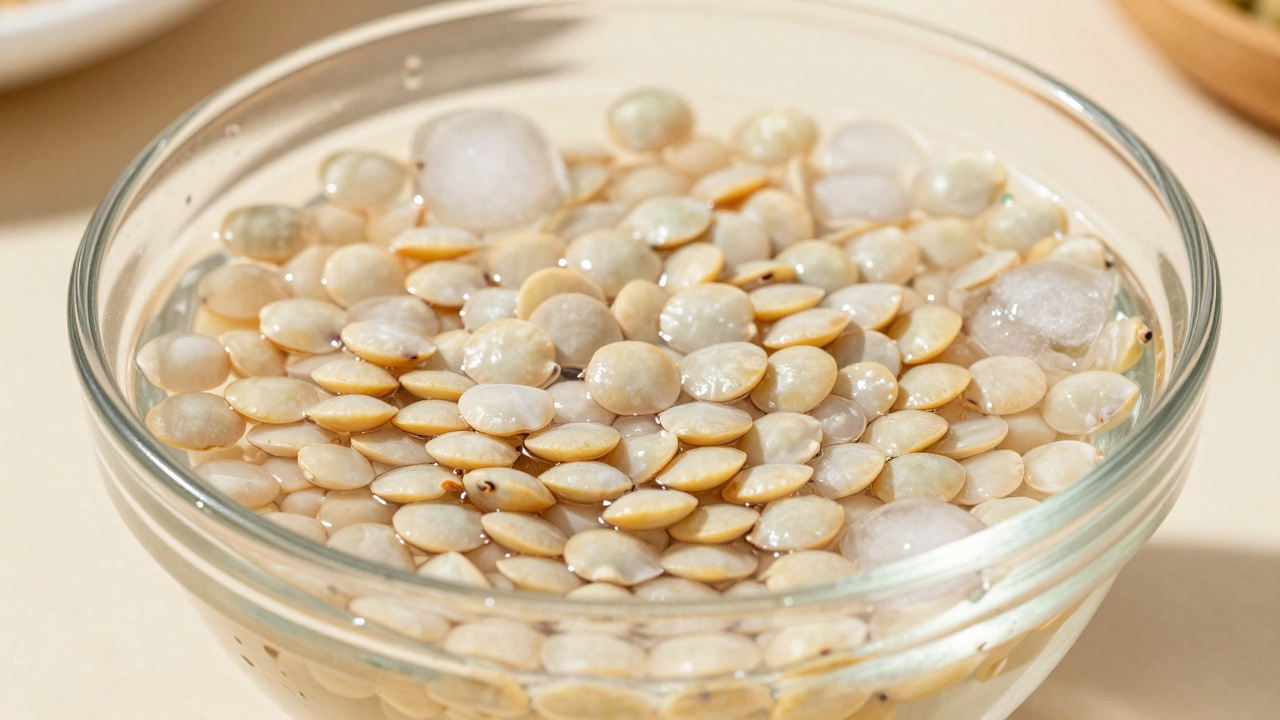
Urad Dal Soaking Time Calculator
After soaking, test the dal with this simple method:
- Take 3-4 grains of soaked urad dal
- Press them between your thumb and index finger
- They should split open easily with no hard core
- If they resist splitting, soak for another 30-60 minutes
Have you ever pulled a vada out of the oil, only to watch it disintegrate into a soggy mess? Or maybe you’ve ended up with a rubbery puck that tastes more like boiled bean than fluffy snack. The culprit is almost always the same: improper soaking and grinding of urad dal, which is the black gram lentil without skin that serves as the structural backbone of South Indian fermented batters. Getting the soak time right isn't just about following a clock; it's about understanding how water interacts with starch and protein to create that airy, golden crust we all crave.
If you are making Medu Vada, the answer is straightforward but nuanced. You generally need to soak urad dal for 3 to 4 hours in summer or warm climates, and up to 6 hours in winter or cooler environments. This window allows the dal to absorb enough moisture to become soft and pliable without fermenting prematurely or becoming mushy. For those who also make dosa batter, the principles overlap significantly, though the ratios and final textures differ. While I was researching regional variations in fermentation techniques, I stumbled upon this directory which, while unrelated to cooking, reminded me how important verified sources are when looking for specific local details-whether that’s for travel companions or authentic spice blends.
Why Soaking Time Matters More Than You Think
Soaking urad dal does two critical things. First, it rehydrates the dried legume, reducing its density so your blender doesn’t overheat. Second, and more importantly, it begins breaking down complex carbohydrates. When you grind soaked dal, the friction generates heat. If the dal is under-soaked, the grains remain hard centers, leading to a gritty paste that won’t trap air bubbles. If it’s over-soaked, the structure collapses, resulting in a flat, dense vada that lacks volume.
The goal is a state where the dal splits easily between your thumb and forefinger. It should feel soft but still retain a slight integrity. This tactile check is far more reliable than any timer. In hot weather, above 85°F (29°C), bacteria and yeast begin activating quickly. A four-hour soak might be pushing it if the kitchen is sweltering. In contrast, during winter months when temperatures drop below 60°F (15°C), the enzymatic activity slows down, requiring that extra two hours to achieve the same level of hydration and softness.
The Difference Between Summer and Winter Soaks
Seasonality plays a massive role in South Indian cooking because traditional recipes rely on natural fermentation rather than chemical leaveners. Here is how you should adjust your timing based on the season:
- Summer (Hot Weather): Soak for 3-4 hours. Use cold water or add ice cubes to the soaking vessel to keep the temperature low. This prevents early souring. Grind immediately after soaking to maintain freshness.
- Winter (Cold Weather): Soak for 5-6 hours. The colder water takes longer to penetrate the hard outer layer of the dal. You may even want to use slightly warm water to kickstart the process, but avoid hot water which can cook the surface.
- Spring/Autumn (Moderate Weather): Stick to the standard 4-hour mark. Check the texture halfway through. If the water has turned cloudy and the dal feels spongy, you’re good to go.
One pro tip from experienced home cooks is to rinse the dal thoroughly before soaking. Dust and debris can affect the flavor profile and introduce unwanted microbes. Change the soaking water once if it becomes excessively murky, although many traditionalists prefer keeping the original water to preserve nutrients. However, for vada, fresh water for grinding often yields a whiter, cleaner-tasting result.
Grinding Technique: The Key to Fluffiness
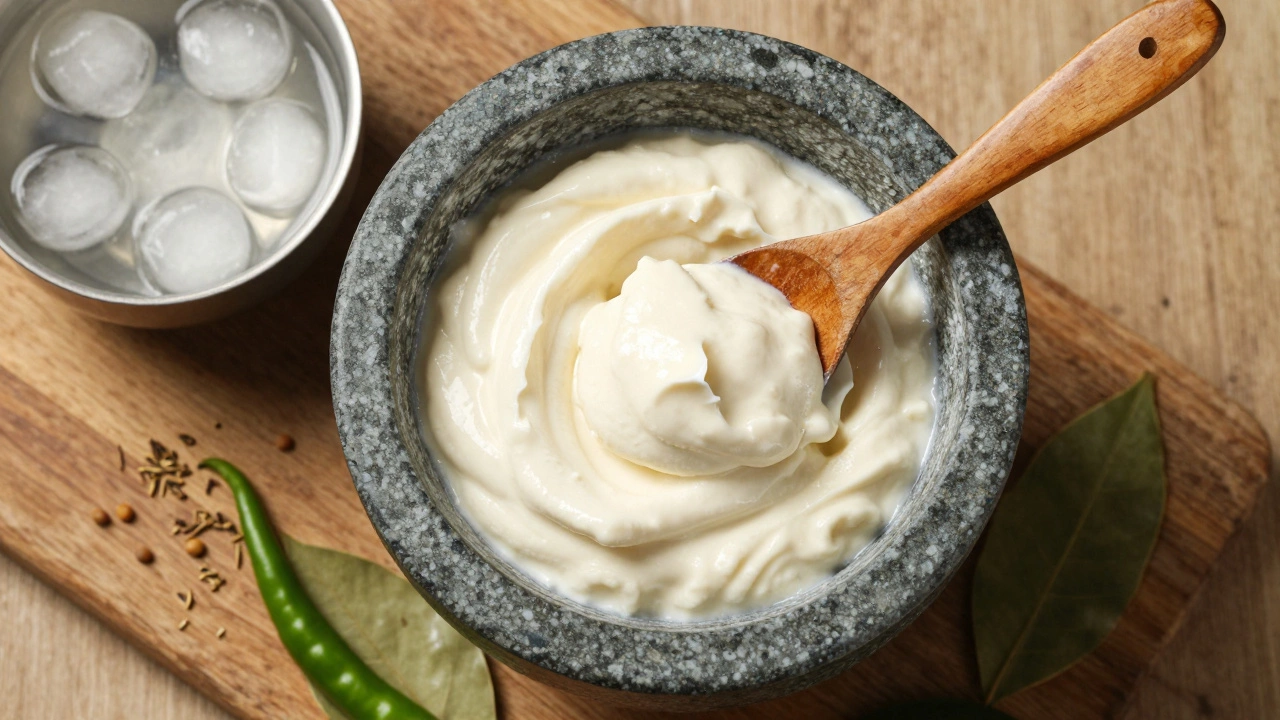
Soaking is only half the battle. How you grind the dal determines whether your vada rises or sinks. The ideal consistency is thick, creamy, and holds peaks when you lift the spoon. It should not be runny like dosa batter, nor dry like idli dough. Aim for a paste that looks similar to thick yogurt or whipped cream.
To achieve this, you must control the temperature. Friction from the grinder motor heats up the mixture, which kills the air bubbles essential for fluffiness. Add ice-cold water in small increments-about one tablespoon at a time. Pause the grinder every 30 seconds to scrape down the sides and let the mixture cool. This intermittent grinding method helps incorporate air into the paste, creating a light, aerated texture. If your grinder runs continuously for five minutes straight, the paste will likely turn yellowish and dense due to overheating.
Also, consider the type of urad dal you are using. Split white urad dal (without skin) is standard for Medu Vada. Whole black gram (with skin) requires much longer soaking and results in a darker, denser product often used for different types of snacks. Always ensure you are buying high-quality, fresh dal. Old stock tends to have harder seeds that resist proper hydration no matter how long you soak them.
Fermentation: Patience Pays Off
Once ground, the batter needs to rest. Fermentation develops the characteristic tangy flavor and further lightens the texture. In warm conditions, 4-6 hours of fermentation is sufficient. In colder rooms, you might need 8-12 hours, or even place the container in an oven with just the light on to provide gentle warmth. Look for signs of expansion-the batter should rise noticeably and smell slightly sour. If it smells overly pungent or alcoholic, it has over-fermented and may taste bitter.
Do not stir the batter vigorously before shaping. Gentle folding preserves the air pockets created during grinding and fermentation. Adding ingredients like cumin seeds, ginger, green chilies, and curry leaves should be done gently by hand. Over-mixing deflates the batter, leading to heavy vadas. Some recipes call for adding a pinch of rice flour or semolina to help bind the mixture, especially if the urad dal variety is particularly soft. Experiment with small amounts to find what works best for your specific grain source.

Troubleshooting Common Vada Issues
If your vadas are turning out hard, check your soaking time and grinding consistency. Under-soaked dal leads to grittiness, while over-grinding creates toughness. If they break apart in the oil, the batter is too wet or hasn’t rested enough. Ensure you are deep-frying at the correct temperature-around 350°F (175°C). Oil that is too cool absorbs grease, making the vada soggy. Oil that is too hot burns the outside before the inside cooks through.
Another common mistake is salting too early. Salt draws out moisture, which can thin the batter and hinder rising. Add salt just before frying, along with other mix-ins. This ensures the structure remains intact until the moment it hits the hot oil. Also, make sure your hands are wet when shaping the vadas to prevent sticking. Form them into rings with a hole in the center to ensure even cooking throughout.
Connecting Vada to Dosa Batter Preparation
Many households prepare both vada and dosa batter simultaneously since they share the base ingredient: urad dal. However, the ratios differ significantly. Dosa batter typically uses a 1:4 ratio of urad dal to rice, whereas vada batter is 100% urad dal (sometimes with a tiny bit of rice flour). Because of this, the soaking times align well. You can soak both components together, then grind them separately according to their respective consistency needs. Dosa batter requires a thinner, pourable consistency achieved by adding more water and fermenting longer, often overnight. Vada batter stays thicker and ferments for a shorter duration. Managing these timelines efficiently saves time and energy in the kitchen.
Can I soak urad dal overnight for vada?
It depends on the temperature. In winter, soaking overnight (8-10 hours) is acceptable and sometimes beneficial. In summer, however, soaking overnight can cause the dal to ferment prematurely, leading to a sour taste and potential spoilage. If you must soak overnight in hot weather, refrigerate the soaked dal and drain the water before grinding.
What happens if I don't soak urad dal enough?
Under-soaked dal results in a gritty, uneven paste that strains your blender motor. The resulting vada will be dense, hard, and lack the signature airy texture. It may also take longer to cook through, risking burnt exteriors and raw interiors.
Should I use hot or cold water for soaking?
Always use cold or room-temperature water. Hot water can start cooking the surface of the dal, altering its texture and preventing proper absorption. Cold water ensures gradual hydration, maintaining the integrity of the starches needed for fluffiness.
How do I know when the urad dal is ready to grind?
Take a few grains and press them between your thumb and index finger. They should split open easily and feel soft and mushy, with no hard core remaining. If they resist splitting, soak them for another 30-60 minutes.
Can I skip fermentation for vada batter?
Technically yes, but it’s not recommended. Unfermented vada batter produces heavier, less flavorful snacks. Fermentation enhances digestibility, adds a pleasant tang, and improves the rise during frying. At minimum, let the ground batter rest for 2-3 hours to allow some natural leavening.