Street Food Safety Checker
Planning your meal? Select a food item below to see its risk level and get expert tips on how to enjoy it safely without getting "Delhi Belly".
Result
Why This Risk Level?
Safer Alternative / Tip
General Hygiene Rule
You’ve booked the flight, packed your bags, and you’re ready for the chaos and color of India. But there’s one thing every traveler whispers about over their pre-trip drinks: Delhi Belly. It’s that unwelcome guest who shows up uninvited, usually around day three, turning your vibrant exploration into a marathon between your hotel room and the bathroom. The good news? You don’t need to be afraid. With a few smart habits and some cultural awareness, you can enjoy the incredible street food and rich cuisine without spending your vacation on the toilet.
The secret isn’t just about what you eat-it’s about how you navigate the environment. India is a land of intense flavors, but also intense bacteria. Your body needs time to adjust, and your choices need to be sharper than usual. Let’s break down exactly how to stay healthy so you can focus on the Taj Mahal, not your stomach.
Mastering Water Hygiene
If you remember only one rule from this guide, make it this: never drink tap water. In most parts of India, municipal water supplies are treated but often suffer from contamination during distribution through old pipes. Even locals rarely drink directly from the tap at home; they boil it or use filtration systems. As a visitor, your immune system doesn’t have the same resilience as a local’s.
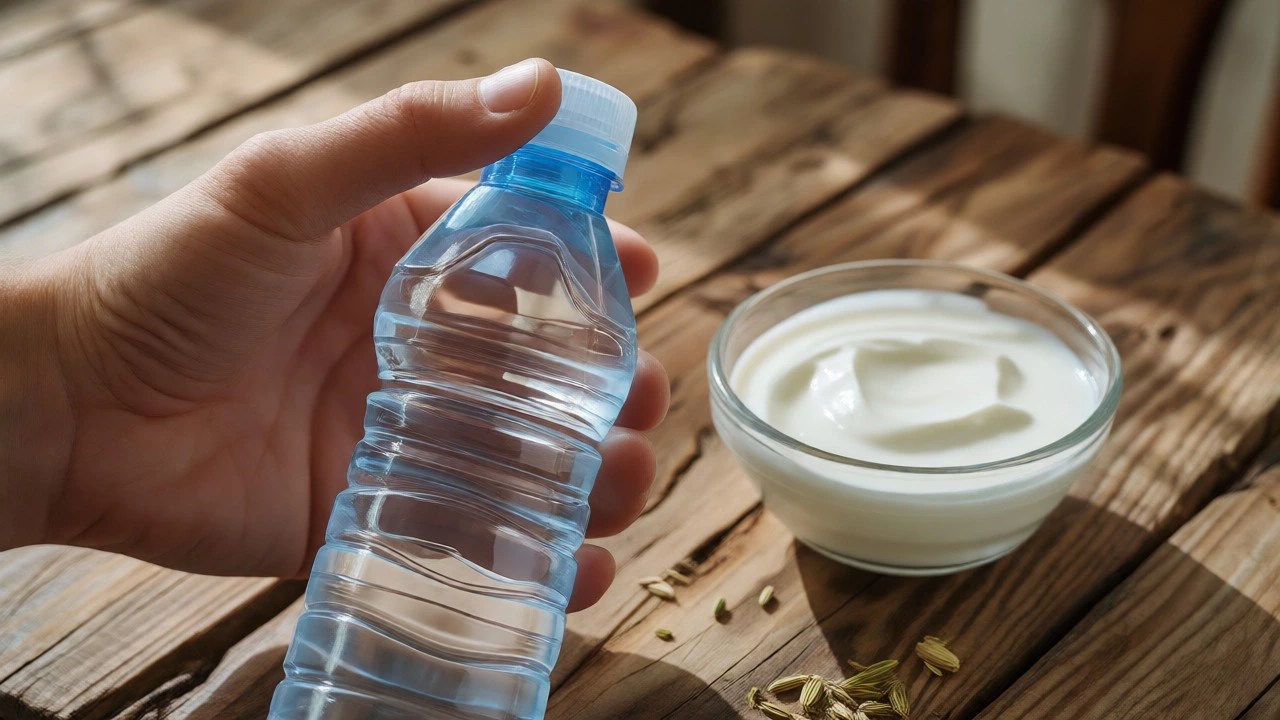
Stick to sealed bottled water. Check the cap seal before you buy it-sometimes vendors reuse bottles. If you’re staying in a reputable hotel, ask if they provide filtered water dispensers in the lobby. Many modern hotels now offer these, which is cheaper and more eco-friendly than buying plastic constantly. Avoid ice unless you are certain it was made from purified water. Street-side kulfi (ice cream) or lassi might look tempting, but if the vendor uses ice from an open block, you’re rolling the dice with every sip.
Bottled Water is the primary defense against waterborne illnesses like cholera and typhoid in India. Always verify the integrity of the seal before consumption.
Navigating Street Food Safely
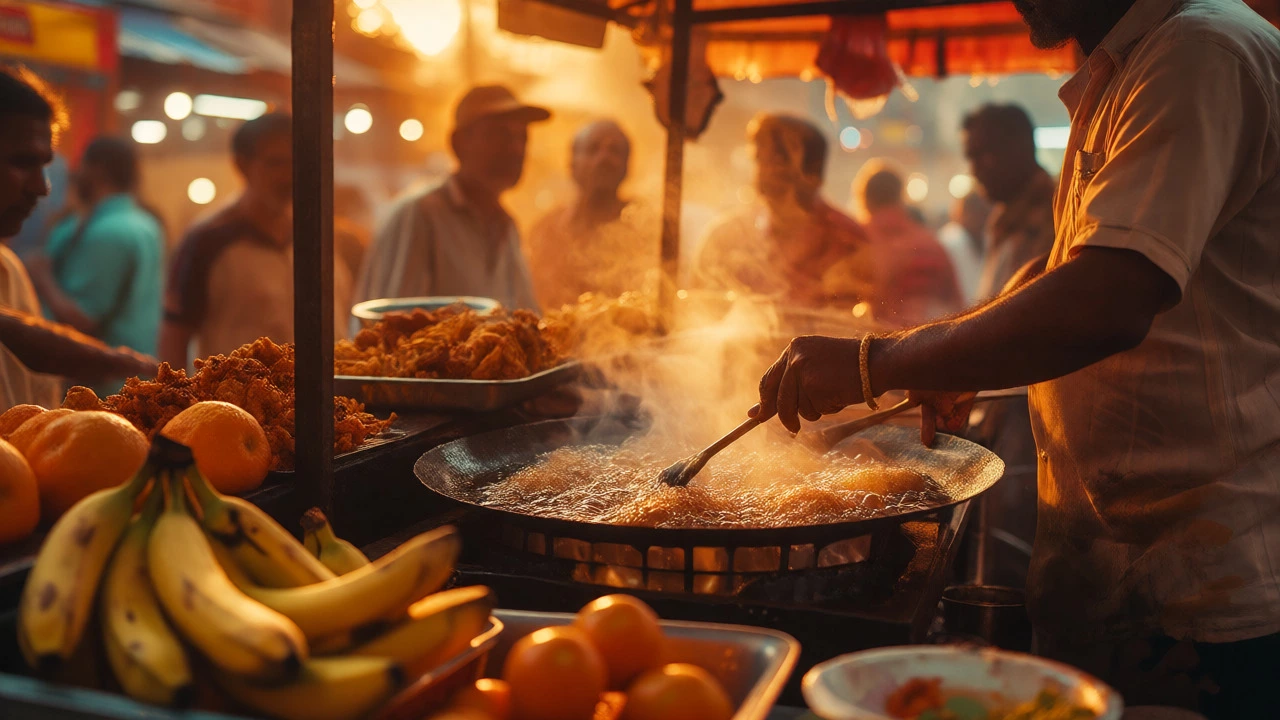
Saying no to street food is saying no to India. The samosas, vada pav, and dosas sold on carts are where the soul of Indian cuisine lives. But you need to be selective. Look for stalls that have high turnover. If a stall has been sitting idle for hours, the food has been cooling down, allowing bacteria to multiply. You want food that is cooked fresh, right in front of you, and served piping hot.
Heat is your best friend here. Most harmful bacteria die at temperatures above 60°C (140°F). So, if you see a vendor frying pakoras in bubbling oil, that’s generally safer than a tray of cut fruit that’s been sitting out under the sun. Speaking of fruit, avoid anything pre-cut. Buy whole fruits like bananas, oranges, or guavas that you can peel yourself. This simple act removes the risk of contaminated water used for washing or cutting.
- Watch the Oil: Reused oil can cause digestive upset. If the oil looks dark and smoky, move on.
- Crowd Control: A busy stall means fresh stock. Empty stalls mean stale food.
- Vegetarian vs. Non-Veg: For beginners, vegetarian street food is often safer because meat spoils faster in heat. Save the non-veg for established restaurants until you’re confident.
The Power of Probiotics and Digestion
Your gut microbiome is going to go through a shock. You’re introducing new spices, different cooking methods, and unfamiliar bacterial strains. Instead of fighting this change with antibiotics at the first sign of trouble, try working with your body. Indian cuisine naturally incorporates many digestive aids. Spices like turmeric, cumin, coriander, and ginger aren’t just for flavor-they have antimicrobial and anti-inflammatory properties.
Eat yogurt daily. Curd (yogurt) is a staple in almost every Indian meal for a reason. It’s loaded with probiotics that help balance your gut flora. Lassi, a yogurt-based drink, is refreshing and beneficial, provided it’s made with clean water and fresh curd. If you’re prone to bloating, try chewing fennel seeds after meals. They aid digestion and freshen breath, acting as a natural antacid.
Probiotics are live microorganisms that provide health benefits when consumed, commonly found in fermented foods like yogurt and kimchi. In India, traditional yogurt (curd) is a primary source.
Hygiene Beyond Handwashing
You know you should wash your hands. But do you actually do it properly? In India, soap and running water aren’t always available at street stalls. Carry a small bottle of alcohol-based hand sanitizer (at least 60% alcohol) and use it religiously before eating anything with your hands. Yes, you will be eating with your hands. That’s part of the experience. Touching naan bread or scooping rice feels intimate and authentic, but your fingers touch everything else too.
Be mindful of public restrooms. They are often squat toilets, and the floors can be wet and slippery. Use your own toilet seat cover or tissue paper if possible. After using the restroom, wash thoroughly with soap. If soap isn’t available, use sanitizer. Don’t underestimate the power of a quick rinse before you head back to your hotel.
Food Safety in Restaurants
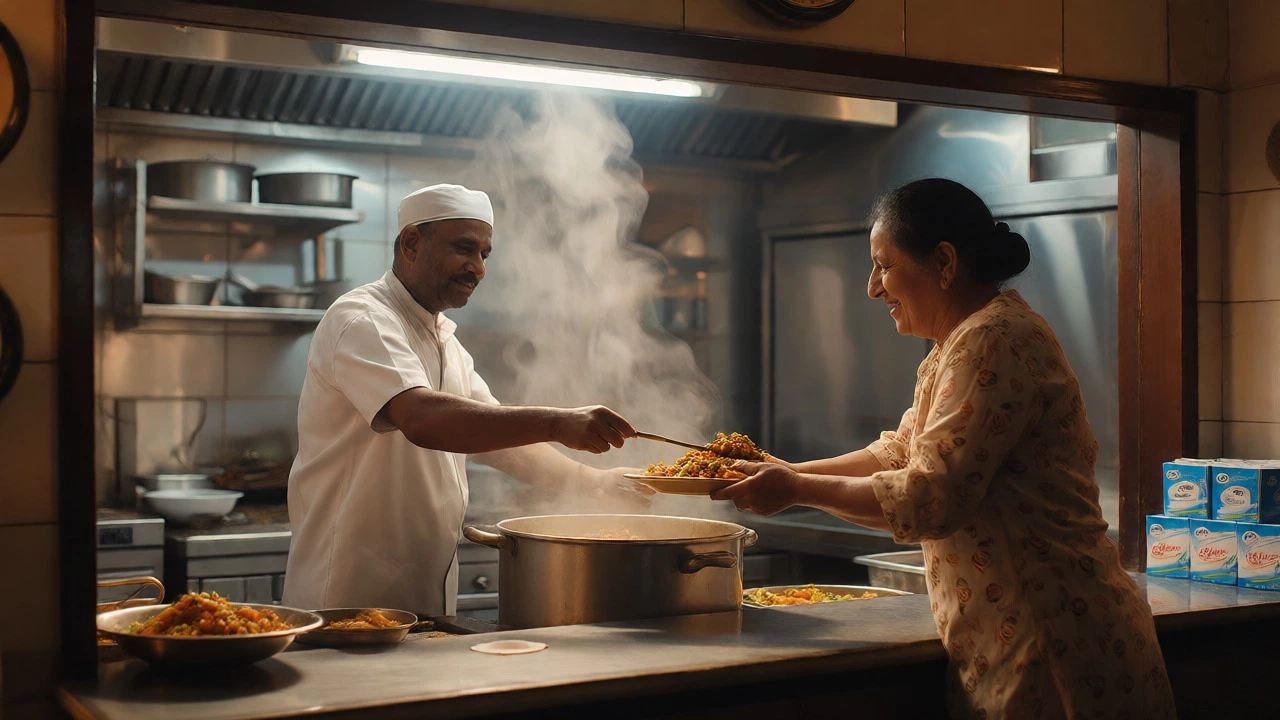
When you’re not on the street, you’ll likely eat in restaurants. Here, the rules shift slightly. Look for places that are busy and have a high turnover of ingredients. Check if the kitchen is visible. If you can see the chefs cooking, that’s a good sign. Ask about the freshness of the salad. Raw vegetables are washed in water, and if that water isn’t purified, salads can be risky. Opt for cooked vegetables instead.
Also, be cautious with dairy products outside of packaged brands. Milk in India is often pasteurized, but local shops might sell loose milk that hasn’t been boiled recently. Stick to UHT (Ultra-High Temperature) packaged milk or yogurt from known brands like Amul or Mother Dairy if you’re unsure about the source.
| Food Item | Risk Level | Why? | Safe Alternative |
|---|---|---|---|
| Pre-cut Fruit | High | Washed in unknown water, exposed to flies | Peeled fruit (Banana, Orange) |
| Ice Cream/Kulfi | Medium | May contain unpurified water/ice | Branded packaged ice cream |
| Fried Snacks (Pakora) | Low | Cooked at high temps, served hot | Eat immediately while hot |
| Salad/Raw Veg | Medium | Raw veggies washed in tap water | Cooked vegetables (Sabzi) |
What to Do If You Get Sick
Despite your best efforts, you might still get a tummy bug. Don’t panic. Dehydration is the real enemy, not the diarrhea itself. Drink oral rehydration salts (ORS), available at any pharmacy in India. They are cheap and effective. Avoid plain water if you’re vomiting frequently; electrolytes are key.
Over-the-counter medications like Imodium can stop symptoms, but sometimes it’s better to let the toxin flush out. If symptoms persist for more than 48 hours, or if you have blood in your stool or a high fever, seek medical attention. India has excellent private hospitals in major cities with English-speaking doctors. Don’t rely on home remedies alone for severe cases.
Final Thoughts on Staying Healthy
Avoiding illness in India isn’t about fear; it’s about respect for the environment. Treat your body like a guest in someone else’s house-you follow their rules. Eat hot, drink sealed, wash hands, and listen to your gut. If something smells off or looks sketchy, trust your instinct and walk away. There’s always another stall. By taking these precautions, you’ll find that your energy levels stay high, and you’ll leave India with memories of delicious feasts, not missed days due to sickness.
Is it safe to brush my teeth with tap water in India?
Generally, yes. Most travelers brush with tap water without issues. However, if you have a sensitive stomach or are traveling to rural areas, using bottled water for brushing is a safer precaution. Just ensure you don't swallow the water.
Can I drink tea or coffee in India safely?
Yes, hot beverages are generally safe because boiling kills bacteria. Chai (tea) is boiled extensively. Coffee is also safe if the water used was boiled. Avoid adding milk if you're unsure of its source, but most cafes use packaged or locally boiled milk.
Do I need to take malaria prophylaxis for all of India?
No, malaria risk varies by region and season. Major cities like Delhi and Mumbai have lower risks compared to rural areas or the Northeast. Consult a travel doctor before your trip for personalized advice based on your itinerary and season.
What is 'Delhi Belly'?
'Delhi Belly' is a colloquial term for traveler's diarrhea caused by consuming food or water contaminated with bacteria, viruses, or parasites common in developing countries. It's not unique to Delhi but occurs throughout India.
Are vegetarian options safer than non-vegetarian ones?
Often, yes. Meat spoils faster in heat and requires stricter handling. Vegetarian dishes, especially those cooked thoroughly like dal or sabzi, pose fewer risks of bacterial contamination from raw meat handling. However, hygiene standards matter more than the ingredient type.