Biryani Aroma Checklist
Ever made biryani that tasted fine but just didn’t smell like the ones from that little roadside stall you remember? The kind that makes your mouth water before you even lift the lid? That’s not magic. It’s technique. And it’s not about using more spices-it’s about using them right.
Start with Fresh, High-Quality Spices
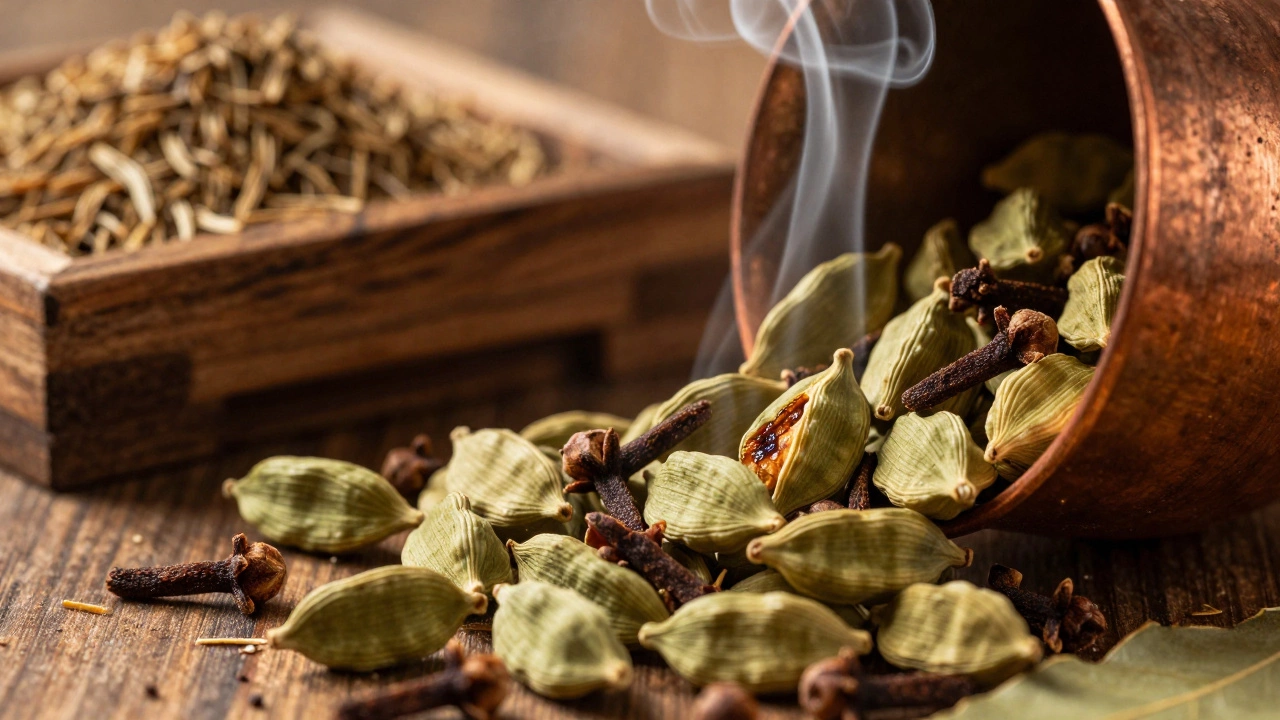
Old cardamom pods? Ground cumin from last year’s bulk bag? They won’t give you that punchy, heady aroma you’re after. Spices lose their volatile oils over time. If your cumin smells flat or your cinnamon has no scent when you rub it between your fingers, toss it. Fresh whole spices-especially green cardamom, black cardamom, cloves, and bay leaves-are the foundation of good biryani aroma.
Buy whole spices in small batches. Toast them lightly in a dry pan for 30-45 seconds before grinding. That quick heat wakes up the essential oils. Don’t skip this step. It’s the difference between a whisper and a shout.
Use Real Saffron, Not Powder
Saffron isn’t just for color. It’s one of the most aromatic spices on earth. But most powdered saffron is diluted or fake. Get real threads-deep red with a slight orange tip. Soak 10-15 threads in 2 tablespoons of warm milk or water for 20 minutes. Add this liquid to your rice just before layering. The aroma that rises when you lift the lid? That’s saffron doing its job.
Don’t waste money on saffron powder. You’re paying for dust, not fragrance. Real saffron costs more, but a tiny amount goes a long way-and it’s the only thing that gives biryani that unmistakable, floral depth.
Layer the Rice and Meat Like a Pro
Don’t just dump everything in one pot and stir. Layering traps steam and lets the aromas mingle slowly. Start with a base of fried onions, then half the rice, then the meat, then the rest of the rice. Sprinkle saffron milk, a few whole spices, and a drizzle of ghee between layers. Cover with foil or a clean cloth, then seal the pot lid with dough or a tight-fitting lid.
The foil or cloth catches condensation so it drips back down evenly. That keeps the rice from drying out and lets the steam carry the spice aromas through every grain. If you skip this, your biryani smells like boiled rice with meat on top-not the layered, perfumed dish it should be.
Dum Cooking Is Non-Negotiable
Dum means slow cooking in a sealed pot over low heat. This is where the magic happens. After bringing the biryani to a boil on high, reduce the heat to the lowest setting. Cover tightly. Let it cook for 25-35 minutes. No peeking. Opening the lid releases the steam-and all the aroma with it.
Some people use a tawa or heat diffuser under the pot to avoid burning. Others seal the lid with atta (wheat flour dough) to trap every last drop of scent. Either way, the goal is the same: slow, even heat that lets the spices, rice, and meat breathe together.
If you’re in a hurry, don’t skip dum. Just make your rice ahead and assemble cold. Then seal and cook low and slow. Rushing this step ruins the aroma every time.

Use Ghee, Not Oil
Vegetable oil won’t carry flavor the way ghee does. Ghee has a higher smoke point and a nutty, rich scent that clings to rice and meat. Use it to fry your onions, to sauté your spices, and to drizzle between layers. Even a tablespoon added at the end, right before sealing the pot, makes a difference.
Don’t use butter-it burns. Don’t use coconut oil-it fights with the spices. Stick to pure, clarified butter. It’s the traditional choice for a reason.
Soak Your Rice Properly
Basmati rice needs to soak for 30 minutes before cooking. This isn’t optional. Soaking lets the grains absorb water evenly so they cook without breaking. More importantly, it opens up the starch structure so the rice can better absorb the aromas from the spices and saffron.
Drain well before par-cooking. Wet rice steams unevenly and turns mushy. You want each grain separate, fragrant, and just tender-never soggy.
Add a Touch of Rose Water or Kewra Water
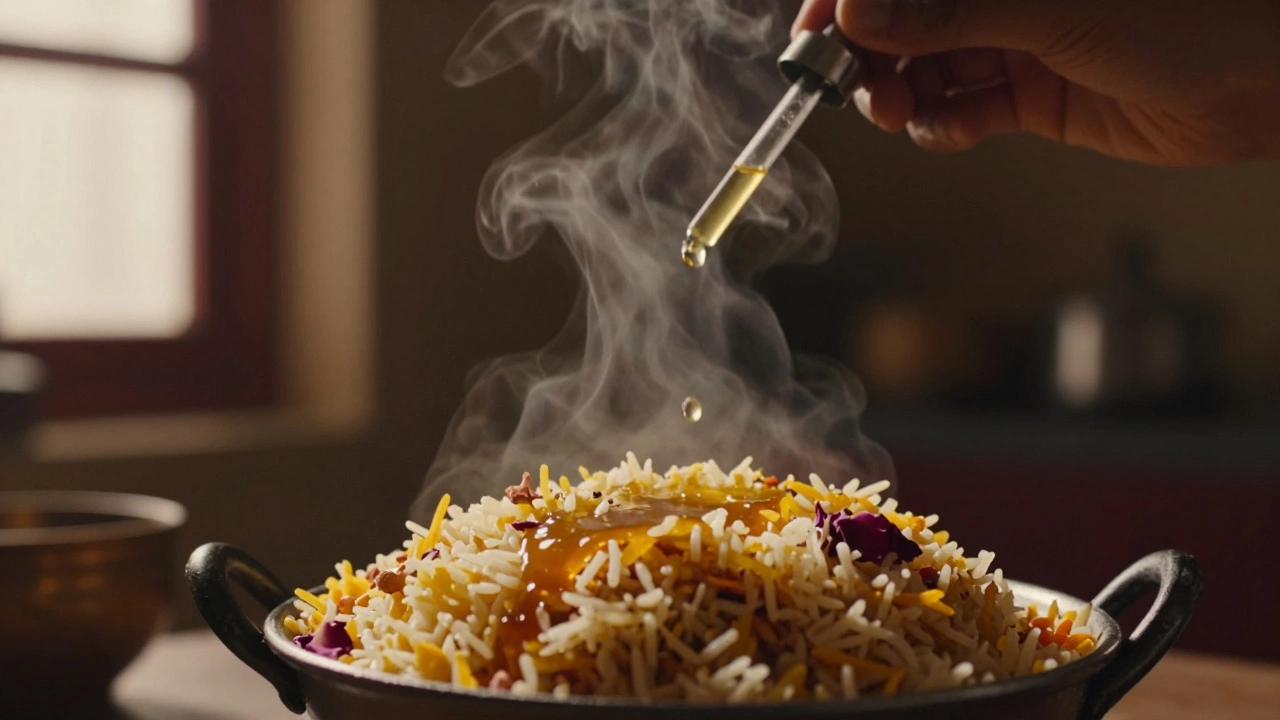
This is the secret most home cooks don’t know. A few drops of rose water or kewra water (from pandanus flowers) added to the rice or the saffron milk gives biryani that intoxicating, almost perfumed finish. It’s subtle-just 1/4 to 1/2 teaspoon total. Too much and it tastes like soap. Too little and you miss the lift.
Kewra water is more authentic in Hyderabadi biryani. Rose water works great for Lucknowi style. Either one turns good biryani into unforgettable biryani.
Let It Rest After Cooking
Don’t rush to serve. Once the dum is done, turn off the heat and let the biryani sit, covered, for 10-15 minutes. This lets the flavors settle and the steam redistribute. It’s like letting a wine breathe. The aroma deepens. The rice absorbs any lingering spice notes. The meat becomes even more tender.
Stirring too soon breaks the grains and releases the scent too fast. Patience is part of the recipe.
Common Mistakes That Kill Aroma
- Using pre-ground spices-lose 70% of their fragrance within months
- Skipping the saffron soak-color without scent
- Boiling rice too long-it turns starchy and bland
- Using water instead of stock for cooking rice-no depth
- Opening the pot too early-steam escapes, aroma vanishes
- Adding too much turmeric-masks other aromas with earthiness
One of the biggest errors? Thinking more spices = better smell. It’s not about quantity. It’s about quality, timing, and technique. A pinch of fresh black cardamom crushed just before adding can outshine a whole spoonful of stale powder.
Quick Aroma Checklist
- ✅ Whole spices, toasted and fresh
- ✅ Real saffron threads soaked in milk
- ✅ Basmati rice soaked 30 minutes, drained well
- ✅ Ghee used for frying and layering
- ✅ Layered rice and meat with spices in between
- ✅ Sealed pot with foil or dough for dum cooking
- ✅ 1-2 drops of rose or kewra water
- ✅ Rested 10 minutes after cooking
Follow these steps, and your biryani won’t just taste good-it’ll fill your kitchen with that rich, layered, irresistible scent that makes people stop what they’re doing and walk into the room just to sniff.