Biryani Moisture Calculator
Stop guessing! Enter your details below to get a customized recipe guide for perfectly juicy, fluffy biryani.
Your Setup
Moisture Potential
Based on your inputsCritical Steps
- Rice Prep:
- Marination:
- Cooking:
- Fat Usage:
Fill in the form to generate your custom biryani guide.
You’ve spent hours marinating chicken, frying onions until they’re gold, and carefully layering the pot. But when you lift the lid, the rice is dry, separate, and feels like it’s missing something. It’s not just about flavor; it’s about texture. A truly great juicy biryani has grains that are distinct yet tender, coated in a subtle sheen of moisture that comes from steam and fat, not waterlogged sogginess.
Most people think juicy means adding more water. That’s the quickest way to end up with sticky mush. The secret lies in controlling heat, using the right fats, and understanding how steam works inside a sealed pot. Whether you’re making Hyderabadi Kacchi or Lucknowi Pakki, these principles apply. Let’s break down exactly how to get that perfect, succulent bite every time.
The Foundation: Choosing and Preparing Basmati Rice
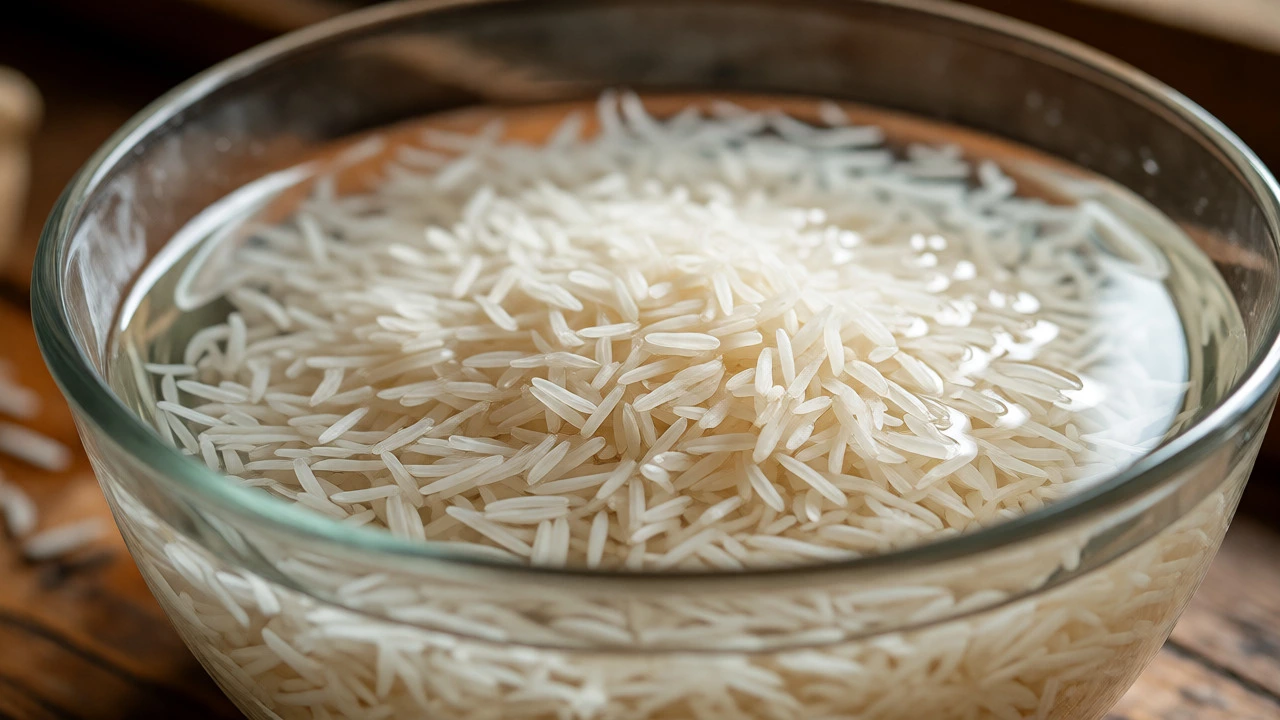
If your rice isn’t right, no amount of fancy spices will save the dish. For biryani, you need long-grain Basmati rice is a type of aromatic long-grain rice known for its elongated shape and nutty fragrance.. Specifically, aged Basmati (1-2 years old) is superior because it cooks up fluffier and less sticky than new crop rice.
Here is the critical step most home cooks skip: soaking. You must soak the washed rice for at least 30 minutes, ideally an hour. This allows the grains to absorb water evenly before hitting the heat. If you throw dry rice into boiling water, the outside cooks fast while the inside stays hard, leading to uneven texture.
- Wash thoroughly: Rinse until the water runs clear to remove excess surface starch.
- Soak properly: Cover with cold water for 30-60 minutes.
- Drain completely: Spread on a tray for 15 minutes after draining. Wet rice clumps together.
When you boil the rice, undercook it. Aim for 70% doneness. The grain should still have a slight bite (al dente) when pressed between your teeth. It will finish cooking in the steaming phase later. If you cook it fully now, it will turn to paste during the final dum.
Marination: The Source of Internal Moisture
Juiciness starts with the protein. If your chicken or mutton is dry, the biryani will be too. The marinade does two jobs: it flavors the meat and locks in moisture. Yogurt is the traditional hero here. Its acidity tenderizes the fibers, while its fat content keeps the meat supple.
Don’t rush this step. Marinate for at least 4 hours, preferably overnight. The longer it sits, the deeper the flavor penetrates. But there’s a trick to keeping it juicy: add oil to the marinade. Yes, oil in the yogurt mix. When you sear the meat, this oil creates a barrier that prevents rapid moisture loss.
For vegetarian versions, use paneer or vegetables that hold moisture well, like potatoes or carrots. Soak them in salted water before adding to the masala to ensure they stay firm but tender.
The Role of Fat: Ghee vs. Oil
Water makes things wet, but fat makes them juicy. In culinary terms, juiciness is often perceived through lubrication. Dry food feels rough in the mouth; fatty food feels smooth and rich. This is why ghee is non-negotiable for authentic biryani.
| Fat Type | Flavor Profile | Smoke Point | Best Use |
|---|---|---|---|
| Ghee is clarified butter with a high smoke point and nutty aroma. | Rich, nutty, traditional | High (250°C) | Layering and finishing |
| Vegetable Oil | Neutral | High | Searing meat |
| Mustard Oil | Pungent, sharp | Medium-High | Regional styles (Bengali) |
Use ghee generously when layering the rice. Drizzle it over each layer of rice and meat. This ensures that as the steam rises, it carries the ghee’s flavor and coats every grain. If you’re watching calories, you can use a mix of oil and ghee, but don’t cut the fat entirely. A tablespoon of melted butter or ghee mixed with milk and sprinkled on top before sealing the pot adds incredible richness.
The Dum Technique: Trapping Steam
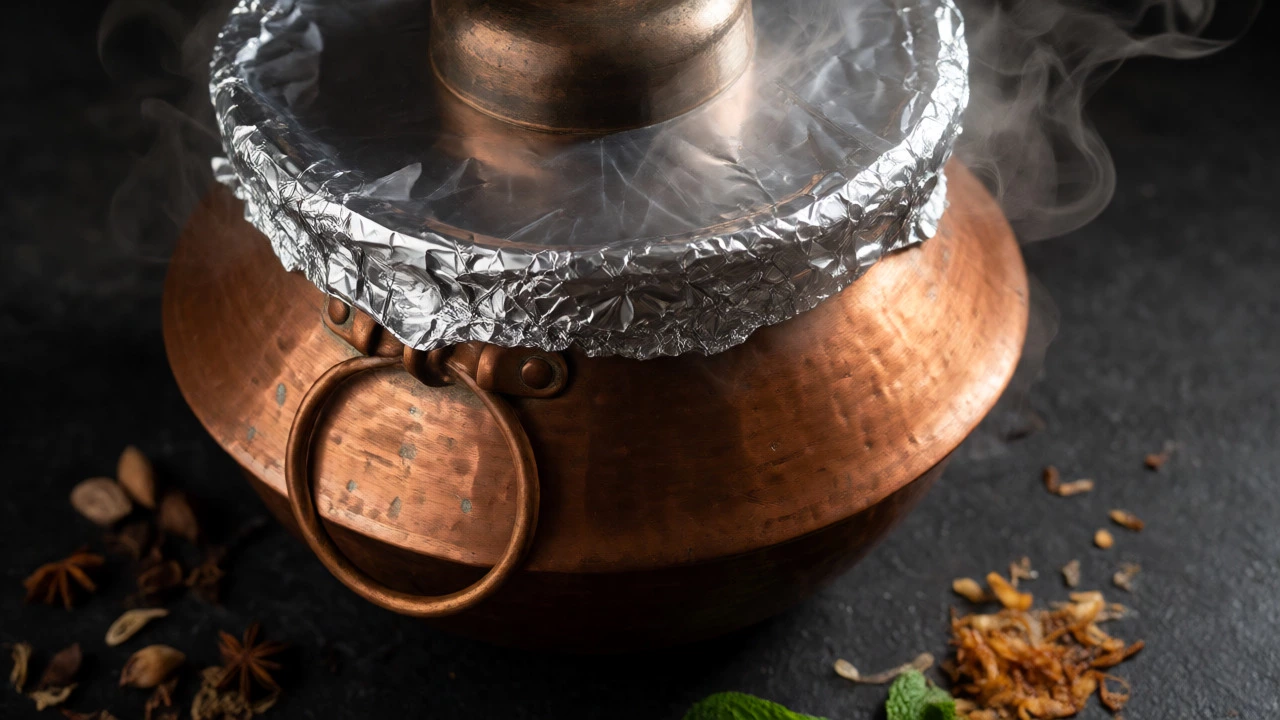
Dum pukht is the heart of juicy biryani. It means “cooking in one’s own vapors.” Once the layers are assembled, you seal the pot tightly. This traps steam inside, which circulates and gently finishes cooking the rice and meat without drying them out.
Sealing matters. Traditionalists use dough to seal the lid to the pot. At home, aluminum foil works fine. Press the foil tightly around the rim, then place the heavy lid on top. Ensure no steam escapes. If steam leaks, the temperature drops, and the rice dries out instead of steaming.
Heat management is crucial. Start on medium-high heat for 5 minutes to build pressure, then lower to the lowest possible flame. Place a flat tawa (griddle) under the pot if your stove burns hot. Cook for 20-25 minutes on low. Do not open the lid during this time. Patience yields juice.
Aromatics and Moisture Retention
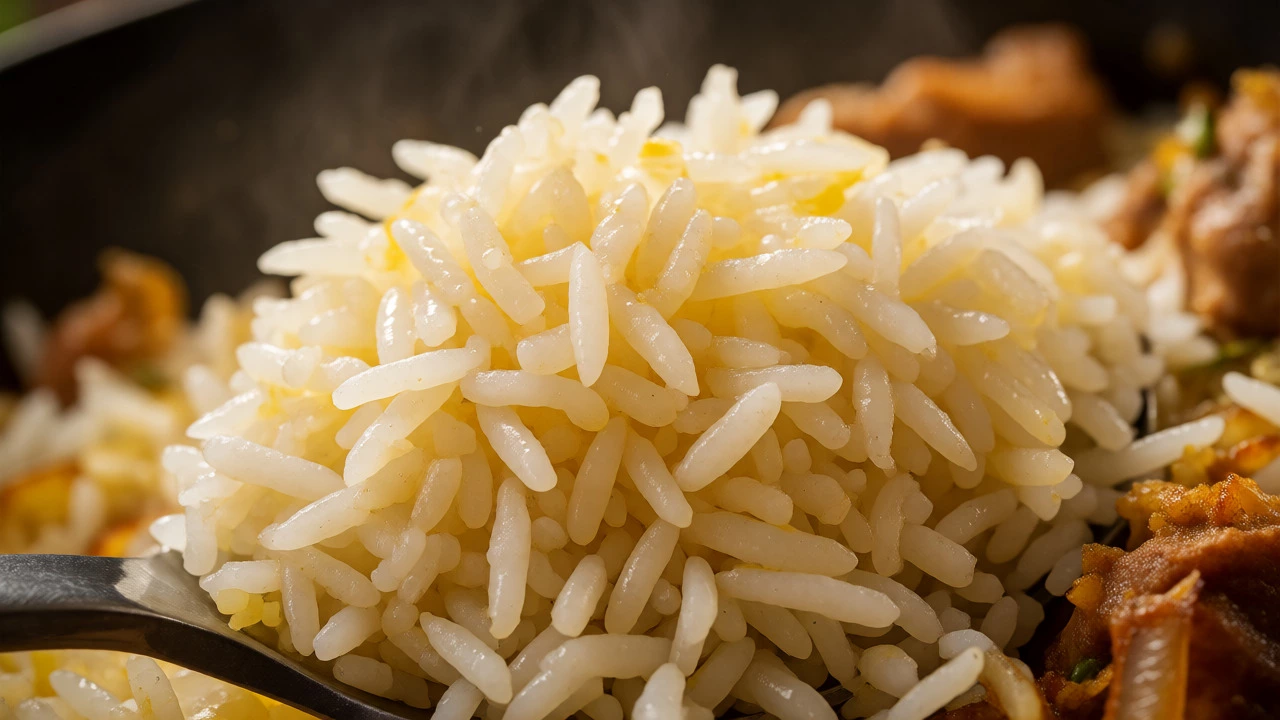
You might wonder where the liquid goes. It evaporates into steam, condenses on the lid, and drips back down. To enhance this cycle, add fresh herbs and aromatics that release moisture slowly. Mint leaves and cilantro stems contain water that releases during steaming, infusing the rice with freshness and humidity.
Fried onions (birista) also play a role. While they add crunch, their sugars caramelize and contribute to the overall moisture balance. Sprinkle some fried onions between layers, not just on top. They melt slightly into the steam, creating a savory glaze on the rice.
Kewra water or rose water is another secret weapon. Add a teaspoon diluted in a few tablespoons of milk. Pour this over the top layer of rice before sealing. The alcohol-free floral notes keep the palate refreshed, making the dish feel lighter and less heavy, even when rich.
Troubleshooting Dry Biryani
If your biryani turns out dry despite following steps, check these common pitfalls:
- Rice was overcooked initially: It absorbed too much water and had none left for the dum phase. Next time, pull it off heat earlier.
- Not enough fat: The rice grains stuck together and dried out. Increase ghee usage next round.
- Leaky seal: Steam escaped, lowering internal pressure. Check your foil seal.
- Too much heat: High flame scorched the bottom and dried the top. Always use low heat for dum.
If you find yourself with dry biryani after cooking, don’t panic. Sprinkle a few tablespoons of warm milk or broth over the top, cover loosely, and let it sit on residual heat for 10 minutes. It won’t be perfect, but it helps revive the moisture.
Why is my biryani rice sticky instead of fluffy?
Sticky rice usually results from skipping the washing step or using new-crop Basmati. Surface starch causes grains to glue together. Wash the rice until the water is clear, and consider buying aged Basmati for better separation. Also, ensure you drain the soaked rice thoroughly before boiling.
Can I make juicy biryani without yogurt?
Yes, but you need another tenderizing agent. Lemon juice or vinegar can work, but they lack the fat content of yogurt. To compensate, increase the amount of oil or ghee in the marinade. Some regional recipes use tomato puree or onion paste, which provide moisture and acidity, but watch out for burning due to higher sugar content.
How do I know if the rice is 70% cooked?
Take a single grain and press it between your fingernail and thumb. It should break easily but still have a tiny white core or offer slight resistance. If it smashes completely, it’s overcooked. If it’s hard and chalky, it needs more time. When in doubt, err on the side of undercooking; the dum process will finish it.
Does adding water directly to the pot help?
Generally, no. Adding raw water during the dum phase can dilute flavors and create uneven cooking. The moisture should come from the marinade, the juices released by the meat/vegetables, and the steam generated from the initial boiling. If you must add liquid, use warm stock or flavored milk, never cold water, to avoid shocking the temperature.
What is the best pot for making juicy biryani?
A heavy-bottomed vessel like a Dutch oven, handi, or thick stainless steel pot works best. These materials retain heat evenly and prevent scorching at the bottom. Thin pots heat up too quickly and cause hot spots, which dry out parts of the biryani while others remain undercooked. A tight-fitting lid is equally important to trap steam.