Chicken Marinade Timer & Selector
Configure Your Marinade
Recommended Settings
Select an Option
-- : --
Have you ever pulled a piece of chicken from the grill or oven, only to find it dry, tough, and practically inedible? It’s a frustrating experience that ruins an otherwise perfect meal. The secret to juicy, fork-tender poultry isn’t just about cooking time; it’s about what happens before the heat even touches the meat. Soaking chicken in the right mixture transforms tough muscle fibers into something soft and flavorful.
If you are aiming for that restaurant-quality texture, especially for dishes like tandoori chicken is a popular Indian dish where chicken is marinated in yogurt and spices before being cooked in a clay oven, understanding your soaking agents is crucial. You don't need expensive equipment or rare ingredients. You likely have everything you need in your pantry right now. Let’s break down exactly what works, why it works, and how to do it without ruining your dinner plans.
The Science Behind Tenderizing Meat
Before we dive into specific ingredients, it helps to understand what makes chicken tough in the first place. Muscle fibers are held together by connective tissue. When you cook chicken, these proteins tighten up. If they tighten too much, they squeeze out all the moisture, leaving you with dry wood. A good marinade does two things: it breaks down those tough proteins slightly and it adds moisture back into the cells.
This process is called denaturation. We want to denature the surface proteins just enough so they stay tender, but not so much that the meat turns into mush. Balance is key. Different ingredients achieve this balance in different ways. Some use acid, some use enzymes, and some rely on salt. Knowing which tool to use depends on how long you plan to soak the chicken and what flavor profile you are going for.
Yogurt: The Gold Standard for Tandoori-Style Chicken
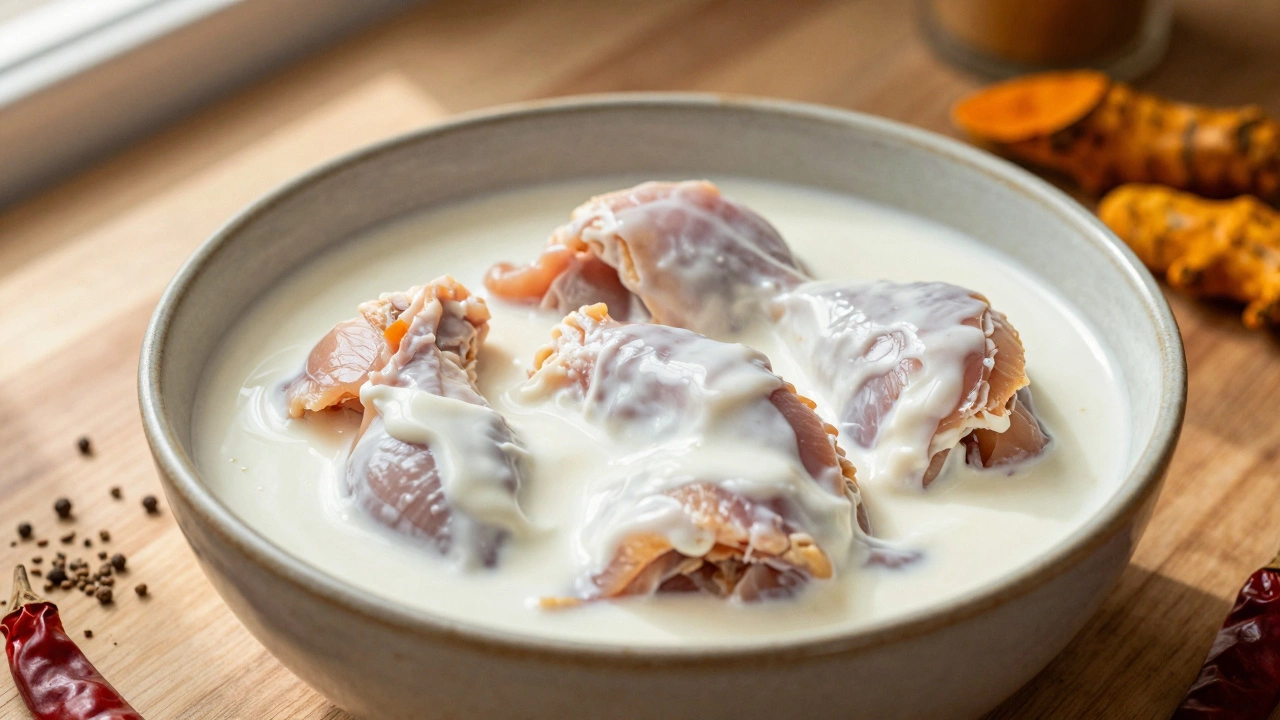
If you are making tandoori chicken or any North Indian curry, plain yogurt is non-negotiable. Yogurt contains lactic acid, which is a gentle acid. Unlike vinegar or lemon juice, which can curdle milk solids and make the texture grainy if left too long, lactic acid penetrates slowly and evenly. This allows the marinade to work its magic over several hours without breaking down the meat structure completely.
Here is why yogurt wins for slow-soaking recipes:
- Gentle Acidity: Lactic acid has a pH level that tenderizes without "cooking" the raw meat prematurely.
- Fat Content: Full-fat yogurt coats the chicken, sealing in juices during high-heat cooking.
- Flavor Carrier: The creamy base holds spices like turmeric, cumin, and garam masala against the skin, ensuring every bite is seasoned.
For best results, use thick, strained yogurt (like Greek yogurt or hung curd). Thin, runny yogurt will slide off the chicken and won’t provide that protective coating. Always whisk the yogurt until smooth before adding spices to avoid lumps.
Citrus Juices: Speed and Brightness
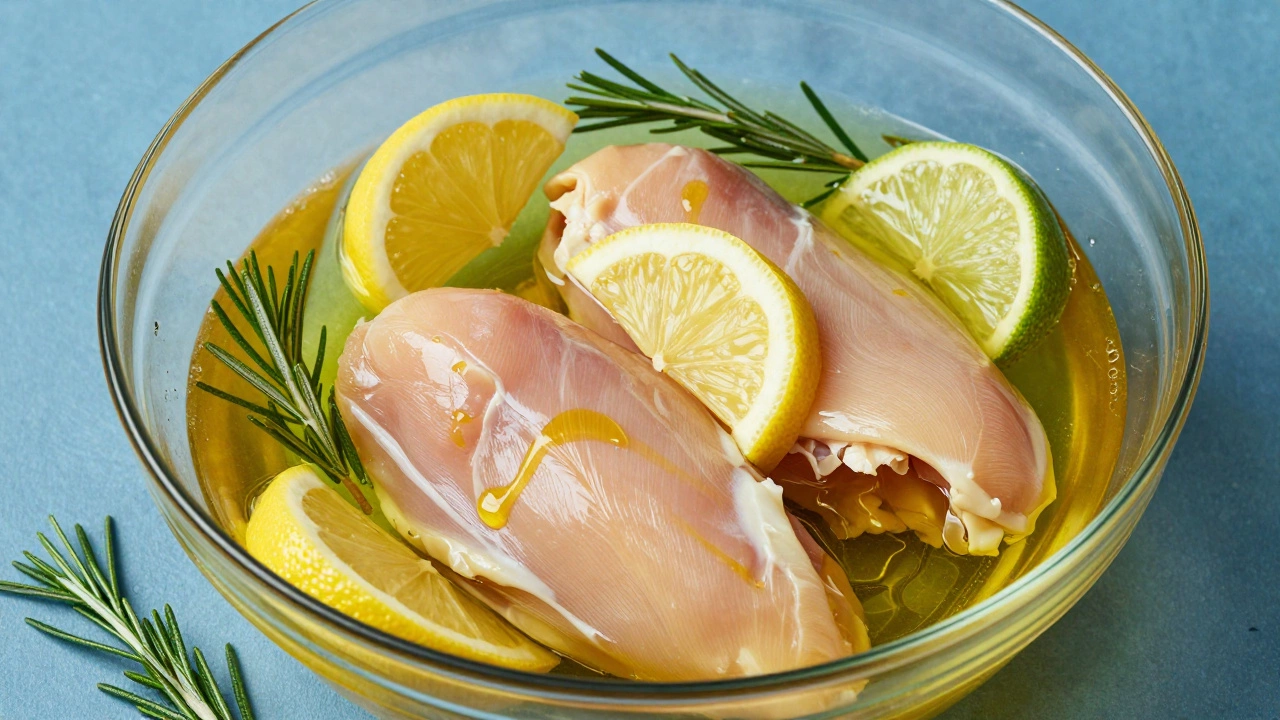
Lemon, lime, and orange juices are powerful tenderizers because they contain citric acid. This is a stronger acid than lactic acid, meaning it works faster. If you are short on time and need to soften chicken breasts quickly, citrus is your friend. However, speed comes with a risk. If you leave chicken in pure lemon juice for more than two hours, the exterior can start to turn opaque and mealy, resembling ceviche rather than roasted chicken.
To mitigate this, always dilute citrus juice. Mix it with oil, water, or yogurt. Oil acts as a barrier, slowing down the acid's penetration. For a Mediterranean-style roast, try a mix of olive oil, lemon zest, and fresh juice. Marinate for no more than one hour. This gives you bright, zesty flavors and slight tenderness without compromising texture.
Enzymatic Powerhouses: Pineapple, Papaya, and Ginger
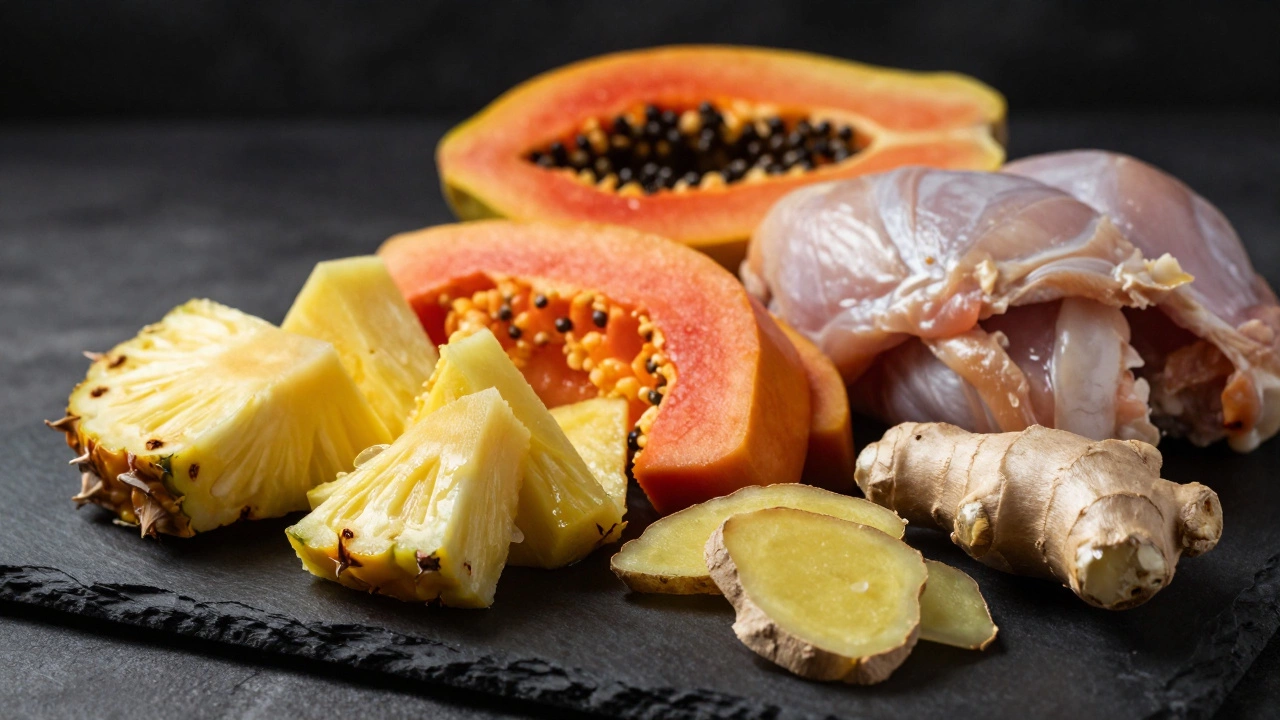
Nature provides some of the most effective tenderizers in the form of enzymes. These are biological catalysts that break down protein chains rapidly. The three most common kitchen sources are pineapple (bromelain), papaya (papain), and ginger (zingibain).
Pineapple juice is a potent natural tenderizer due to the enzyme bromelain, which breaks down collagen and muscle fibers. It is incredibly strong. Even thirty minutes of soaking in fresh pineapple juice can make chicken fall-apart tender. Canned pineapple juice is less effective because the canning process destroys the enzymes, but it still adds sweetness and acidity.
Papaya works similarly but is often gentler. In many Asian cuisines, green papaya paste is used specifically for this purpose. Ginger is milder and adds a warm, spicy note that complements poultry beautifully. If you use these enzymatic ingredients, treat them with respect. Over-marinating with fresh pineapple or papaya will result in a slimy, disintegrating mess. Stick to 30-60 minutes maximum for fruits, and always blend them into a paste or juice to ensure even distribution.
Vinegar and Soy Sauce: The Acid-Salt Combo
Vinegar brings acetic acid to the table. Like citrus, it is fast-acting. Balsamic, apple cider, and rice vinegar each bring distinct flavor notes. Apple cider vinegar is earthy and pairs well with herbs, while rice vinegar is mild and sweet, ideal for Asian-inspired glazes. Use vinegar sparingly-about one part vinegar to four parts oil or other liquid.
Soy sauce introduces a different mechanism: salinity. Salt draws moisture out of the chicken initially, but then that salty brine gets reabsorbed, carrying flavor deep into the meat. This process, known as brining, changes the protein structure so it retains more water during cooking. A simple soak in soy sauce mixed with a little sugar and water can transform bland chicken thighs into savory, juicy bites. Just remember that soy sauce is salty, so adjust any additional salt in your recipe accordingly.
Milk and Buttermilk: The Southern Secret
In American Southern cuisine, buttermilk is the king of fried chicken marinades. Buttermilk is tangy and thin, containing both lactic acid and casein, a milk protein. Casein binds to the capsaicin in hot peppers (if you add them) and helps distribute fat-soluble spices evenly. More importantly, the calcium in milk activates enzymes naturally present in the meat, aiding in breakdown.
Regular milk works too, though it lacks the acidity of buttermilk. If you don’t have buttermilk, you can make a quick substitute by adding one tablespoon of vinegar or lemon juice to a cup of regular milk and letting it sit for five minutes. The milk will curdle slightly, creating the perfect acidic environment for tenderizing. Soak chicken in buttermilk for at least four hours, or overnight for the best results.
| Ingredient | Active Agent | Soak Time | Best For |
|---|---|---|---|
| Plain Yogurt | Lactic Acid | 4-12 hours | Tandoori, Curries, Grilling |
| Lemon/Lime Juice | Citric Acid | 30 mins - 2 hours | Quick grills, Salads |
| Fresh Pineapple | Bromelain (Enzyme) | 30-60 mins | Kebabs, Stir-frys |
| Buttermilk | Lactic Acid + Calcium | 4-24 hours | Fried Chicken, Baking |
| Soy Sauce | Sodium Chloride | 1-12 hours | Asian Glazes, Roasting |
Common Mistakes That Ruin Texture
Even with the right ingredients, technique matters. One major error is using too much acid. If your marinade is mostly lemon juice or vinegar, you are essentially pickling the outside of the chicken while the inside remains raw. Aim for a ratio of 1 part acid to 3 parts oil or neutral liquid. Another mistake is overcrowding the container. Chicken needs to be fully submerged or coated. If pieces are stacked on top of each other, the ones in the middle won’t get the same exposure to the tenderizing agents. Lay them flat in a shallow dish or use a zip-top bag to massage the marinade in.
Temperature also plays a role. Never marinate chicken at room temperature for more than two hours. Bacteria grow rapidly between 40°F and 140°F (4°C and 60°C). Keep your marinating chicken in the refrigerator. If you are using an enzymatic fruit like pineapple, take it out of the fridge 30 minutes before cooking to let it come to room temperature, which helps with even cooking later.
Pro Tips for Perfect Results
First, pat the chicken dry before applying the marinade if you are starting with wet meat. Moisture on the surface can dilute your spices. Second, score the meat lightly. Making small slits in thicker cuts like chicken breasts allows the marinade to penetrate deeper than just the surface. Third, don’t forget the oil. Fat carries flavor and prevents sticking. Whether you use olive oil, sesame oil, or melted ghee, it ensures the spices adhere and the meat stays moist.
Finally, consider the cut of chicken. Dark meat (thighs and legs) is naturally more tender and forgiving than white meat (breasts). You can soak dark meat longer and with stronger acids without fear of it turning mushy. Breasts require a lighter touch and shorter times. Adjust your strategy based on the anatomy of the bird.
Can I soak chicken in baking soda to make it tender?
Yes, this is a technique known as "velveting," commonly used in Chinese cuisine. Baking soda raises the pH of the meat, preventing proteins from bonding too tightly. Use about 1 teaspoon of baking soda per pound of chicken, coat thoroughly, and let it sit for 15-20 minutes. Rinse the chicken thoroughly under cold water before cooking to remove the bitter taste. Do not leave it longer than 20 minutes, or the meat will develop an unpleasant metallic flavor and slimy texture.
Is it safe to reuse marinade as a sauce?
No, never reuse raw marinade directly as a sauce because it contains raw chicken juices and bacteria. If you want a sauce, set aside a portion of the marinade before you add the chicken to it. Alternatively, you can boil the used marinade vigorously for at least two minutes to kill any pathogens, but setting aside clean marinade beforehand is safer and easier.
What is the best time to marinate chicken breasts?
For chicken breasts, 30 minutes to 2 hours is usually sufficient. Because breast meat is lean and low in connective tissue, it doesn’t need long to absorb flavor. Longer marination times with acidic ingredients can actually degrade the texture, making the surface mushy. If using a non-acidic marinade (like oil and herbs), you can go up to 12 hours, but there is diminishing return after 4 hours.
Does milk really tenderize chicken?
Yes, particularly buttermilk. The acidity in buttermilk helps break down muscle fibers, while the calcium content activates natural enzymes in the meat. Regular milk works too but is less effective due to lower acidity. Milk-based marinades are excellent for frying because they help create a crispy crust while keeping the interior juicy.
Can I marinate frozen chicken?
It is not recommended. Frozen chicken has ice crystals that disrupt the cell structure. As it thaws in the marinade, it releases excess water, which dilutes the flavors and prevents proper absorption. Always thaw chicken completely in the refrigerator before marinating for the best texture and flavor penetration.