Dal Digestion Optimizer
Personalize Your Dal Recipe
Select your preferences below to get tailored recommendations
Why This Works
This tool combines traditional Indian wisdom with modern nutritional science to help you enjoy dal without discomfort.
Recommendations are based on the article's evidence-based approach to reducing oligosaccharide fermentation in the gut.
There is nothing worse than sitting down to a comforting bowl of hot dals, which are traditional Indian lentil soups that serve as a staple protein source in South Asian cuisine, only to feel bloated and uncomfortable an hour later. Lentils are incredibly nutritious, packed with fiber and plant-based protein, but they contain complex carbohydrates called oligosaccharides. Your body struggles to break these down fully before they reach the large intestine, where bacteria ferment them, producing gas. If you love dal but hate the aftermath, you don't have to give it up. You just need to adjust how you prepare it.
The secret isn't avoiding lentils; it's neutralizing their gas-producing potential during the cooking process. By adding specific spices and changing your prep routine slightly, you can keep all the nutritional benefits while ditching the discomfort. Here is exactly what you can add to your dal to stop gas before it starts.
The Power of Hing (Asafoetida)
If you add only one thing to your dal, make it hing, also known as asafoetida. It is a resinous gum extracted from the roots of ferula plants, widely used in Indian cooking for its strong sulfurous aroma when raw and savory, umami-rich flavor when cooked. This ingredient is the gold standard for digestion in Indian kitchens. A pinch of hing contains natural compounds like allicin, which has antimicrobial properties that help reduce gut inflammation and gas production.
You might wonder why we use such a tiny amount. Raw asafoetida smells pungent, almost like garlic or onions, but once it hits hot oil or ghee, it transforms into a warm, savory note. To use it effectively, add about half a teaspoon of hing to your tempering oil along with mustard seeds or cumin. Let it sizzle for ten seconds before adding your onions or tomatoes. This ensures the active compounds are released and distributed evenly throughout the dish. Many people find that even a small amount of hing makes a noticeable difference in how their stomach feels after eating legumes.
Ajwain: The Carom Seed Solution
Ajwain, or carom seeds, are small, brownish-yellow seeds that taste similar to thyme and possess powerful carminative properties to aid digestion. These tiny seeds are often underestimated, but they are a powerhouse against bloating. Ajwain contains thymol, an essential oil that stimulates the secretion of digestive enzymes. This helps your body break down proteins and carbohydrates more efficiently, leaving less residue for gas-producing bacteria to ferment.
You can add ajwain in two ways. First, crush a quarter teaspoon of seeds lightly and add them to the tempering stage alongside the hing. Second, sprinkle a pinch of crushed ajwain directly onto your dal right before serving. Some families even mix ajwain with rock salt and eat a small spoonful after the meal as a digestive aid. The flavor is distinctively earthy and slightly bitter, so start with a small amount if you haven't used it before. It pairs exceptionally well with yellow moong dal and masoor dal.
Cumin and Black Pepper for Enzyme Activation
We often think of cumin seeds as common aromatic seeds used globally for flavoring, but in Ayurvedic medicine, they are prized for stimulating bile production and improving gut motility. Bile is crucial for digesting fats and breaking down food particles. When you combine cumin with black pepper, which contains piperine, a bioactive compound that enhances nutrient absorption and reduces intestinal inflammation, you create a potent digestive duo.
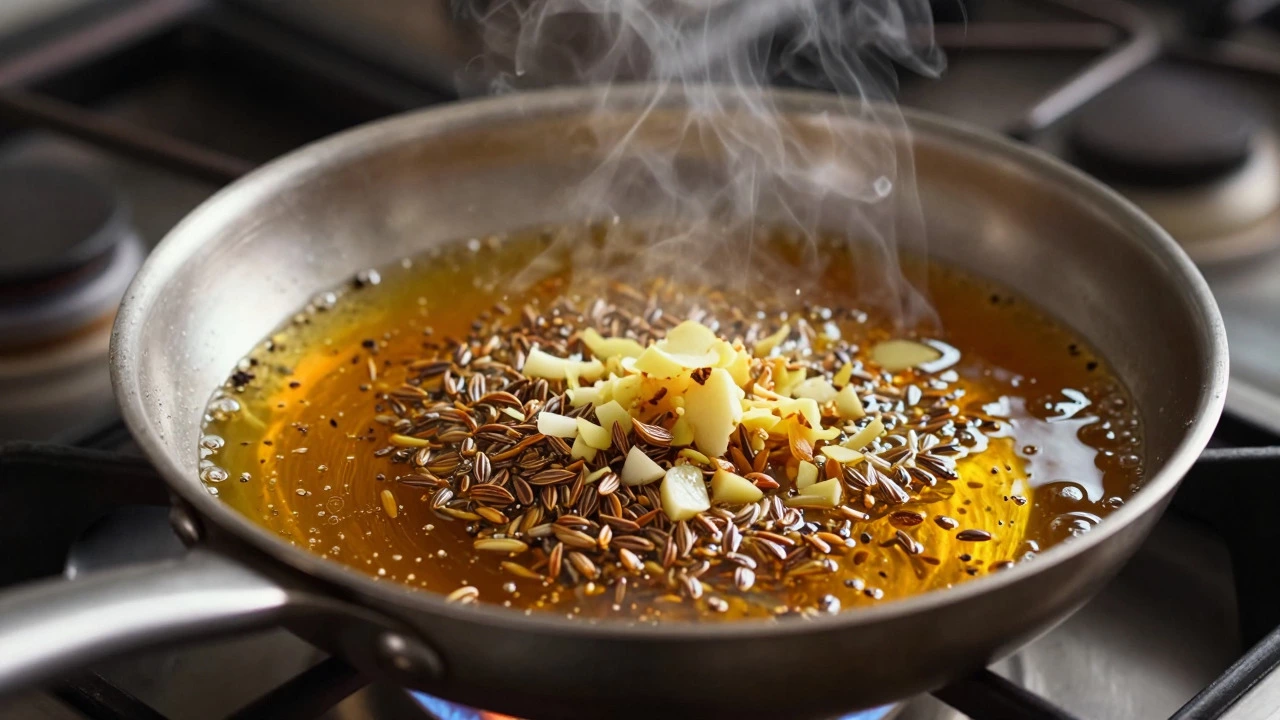
Add whole cumin seeds to your hot oil at the beginning of the tempering process. Listen for the crackle-that’s the sound of the oils releasing. Then, add freshly ground black pepper. Avoid pre-ground pepper if possible, as it loses potency quickly. Freshly cracked pepper provides a sharper kick that wakes up the digestive system. This combination not only adds depth to the flavor profile of your dal but also ensures that the heavy lentils move through your system smoothly rather than sitting stagnant in your stomach.
Ginger and Garlic: Natural Anti-Inflammatories
Fresh ginger is a rhizome root known for its anti-inflammatory and antioxidant properties, commonly used to soothe nausea and accelerate gastric emptying. Ginger speeds up gastric emptying, meaning food moves from your stomach to your small intestine faster, reducing the time available for fermentation and gas buildup. Similarly, garlic contains allicin and other sulfur compounds that support gut health by promoting beneficial bacteria growth.
Don’t just throw in dried powder. Use fresh ginger and garlic. Grate a tablespoon of ginger and mince three cloves of garlic. Sauté them until the raw smell disappears and they turn golden brown. This step is critical. Undercooked garlic can actually cause gas in some people due to high fructan content, but cooking it thoroughly breaks down these compounds. The resulting paste forms the base of many dal recipes, providing both flavor and functional digestive benefits.
Turmeric and Coriander Seeds
Turmeric is a vibrant yellow spice containing curcumin, a compound with strong anti-inflammatory effects that soothes the lining of the digestive tract. While turmeric is famous for its color, its medicinal value in dal goes beyond aesthetics. Curcumin helps reduce irritation in the gut lining, which can be sensitive after consuming high-fiber foods like lentils. Add half a teaspoon of turmeric powder during the cooking phase, not just at the end.
Pair this with coriander seeds, which are mild, citrusy seeds that act as a gentle diuretic and help regulate digestive fluids. Unlike coriander powder, using whole roasted coriander seeds in your tempering or grinding them into a paste releases different volatile oils that aid digestion. Roast a teaspoon of coriander seeds dry until fragrant, then grind them coarsely. Stir this into your dal along with the turmeric. The combination creates a soothing effect on the stomach, counteracting the heaviness of the lentils.
The Importance of Soaking and Rinsing
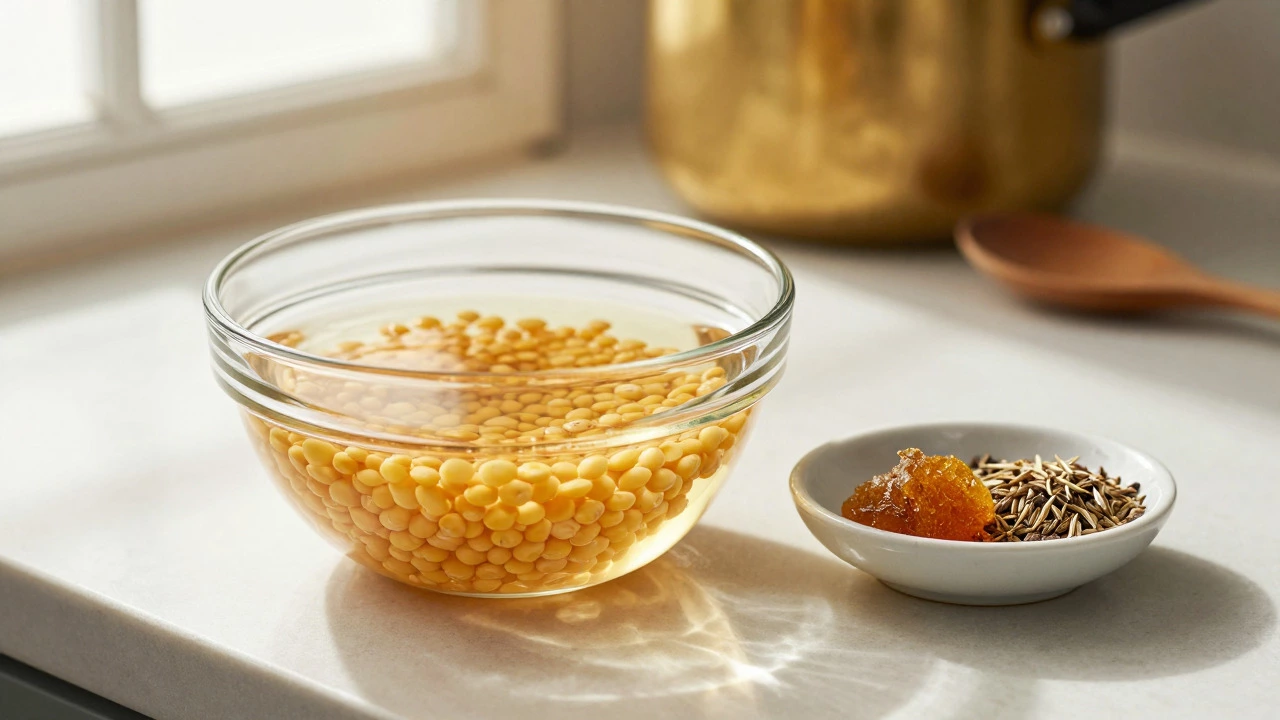
Spices are helpful, but preparation is key. One of the biggest mistakes people make is skipping the soak. Lentil soaking involves submerging dried lentils in water for several hours to rehydrate them and leach out water-soluble antinutrients like phytic acid and oligosaccharides. Phytic acid binds to minerals, making them harder to absorb, while oligosaccharides are the primary culprits behind gas.
Soak your dal for at least four to six hours, or overnight if you plan ahead. Discard the soaking water completely-do not cook the dal in it. That water is full of the compounds that cause gas. Rinse the lentils thoroughly under cold running water until the water runs clear. This simple step removes a significant portion of the problematic sugars before you even turn on the stove. For even better results, change the water once halfway through the soaking period.
Pressure Cooking vs. Slow Cooking
How you cook the dal matters as much as what you add to it. Pressure cooking is the preferred method in most Indian households because it breaks down the tough cell walls of the lentils more effectively than slow simmering. High pressure and temperature help denature proteins and break down complex starches into simpler sugars that are easier to digest.
If you don’t have a pressure cooker, ensure you simmer the dal gently for a longer period. Stir occasionally to prevent sticking. Overcooking can turn the dal into mush, but undercooking leaves the fibers intact and hard to digest. Aim for a texture where the lentils have completely disintegrated or are very soft. Adding a splash of lemon juice or vinegar at the very end of cooking can also help break down remaining proteins, though it may slightly alter the flavor. Balance this with a bit more salt or jaggery if needed.
Probiotic Pairings: Buttermilk and Yogurt
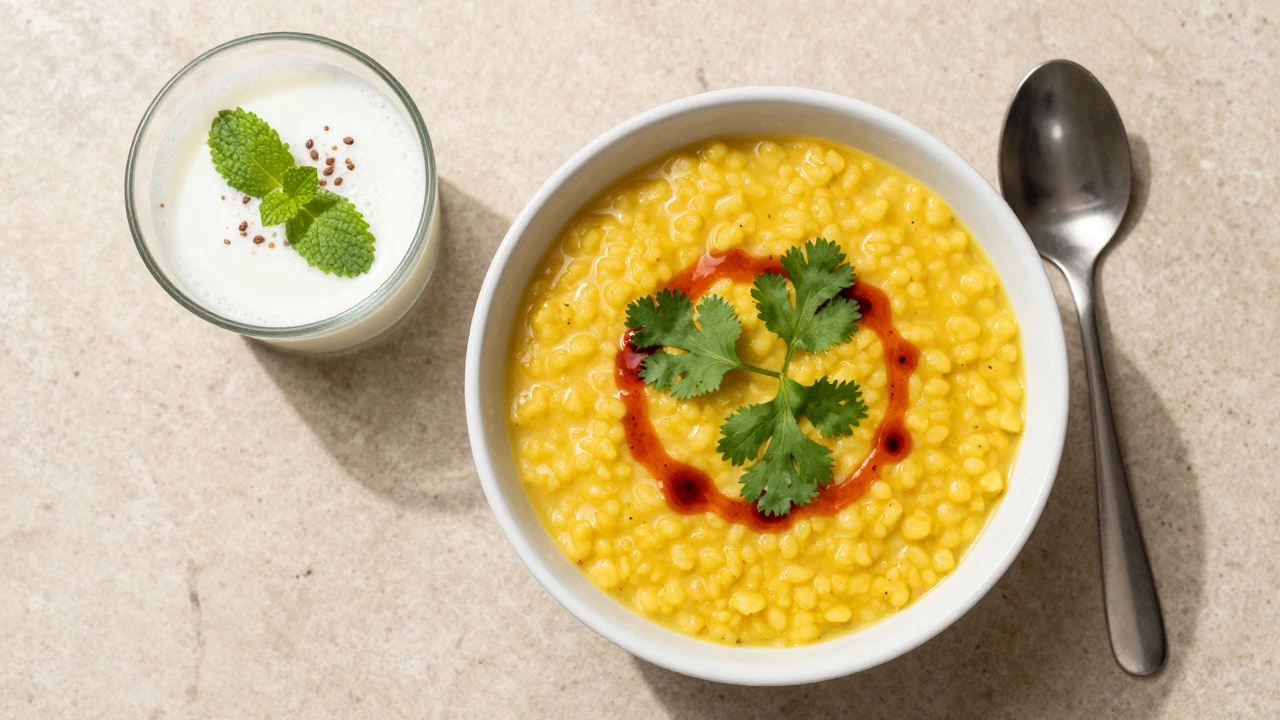
Your gut microbiome plays a huge role in how you handle fiber. Introducing good bacteria can help manage the fermentation process. Serving your dal with a side of buttermilk, or chaas, which is a diluted yogurt drink seasoned with salt, cumin, and mint, rich in probiotics that promote healthy gut flora, is a traditional and effective strategy. The live cultures in yogurt help balance the gut environment, making it more resilient to gas-producing fermentation.
You can also stir a tablespoon of plain, unsweetened yogurt into your dal just before turning off the heat. Be careful not to let it boil, or it will curdle. The cool yogurt contrasts with the hot dal, creating a creamy texture while delivering probiotics directly with the meal. This practice is common in North Indian cuisine, where dals are often finished with a dollop of yogurt to mellow out the spices and aid digestion.
| Spice | Key Compound | Digestive Benefit | When to Add |
|---|---|---|---|
| Hing (Asafoetida) | Allicin | Reduces gas and bloating | In hot oil/ghee tempering |
| Ajwain (Carom Seeds) | Thymol | Stimulates digestive enzymes | Crushed in tempering or garnish |
| Cumin Seeds | Cuminaldehyde | Increases bile production | Whole seeds in hot oil |
| Black Pepper | Piperine | Enhances nutrient absorption | Freshly ground during cooking |
| Ginger | Gingerols | Speeds up gastric emptying | Sautéed until golden |
| Turmeric | Curcumin | Anti-inflammatory for gut lining | Mixed with wet ingredients |
Choosing the Right Lentil
Not all dals are created equal when it comes to digestibility. Moong dal (yellow split mung beans) is one of the easiest lentils to digest, often recommended for sick people, babies, and those with weak stomachs. It has a lower fiber content compared to red kidney beans or chickpeas. If you are prone to severe gas, start with moong dal or masoor dal (red lentils), which cook quickly and break down easily.
Avoid heavier lentils like chana dal (split chickpeas) or rajma (kidney beans) if you are sensitive. These require longer soaking times and more robust spice combinations to digest comfortably. Gradually introduce heavier lentils into your diet as your gut adapts. Consistency is key-your body builds tolerance over time.
Common Mistakes to Avoid
Even with the right spices, certain habits can undermine your efforts. One common error is eating dal too quickly. Chewing thoroughly mixes food with saliva, which contains amylase, an enzyme that begins breaking down starches. Rushing through your meal means larger chunks of undigested food hit your intestines. Take your time. Chew each bite well.
Another mistake is combining dal with heavy, fatty meals immediately. While dal tadka is delicious, excessive oil can slow down digestion. Keep the tempering moderate. Also, avoid drinking large amounts of water during the meal, as this can dilute stomach acids. Sip water between meals instead. Finally, listen to your body. If a particular spice causes discomfort, reduce the quantity. Everyone’s gut reacts differently.
Final Thoughts on Comfort Eating
Enjoying dal shouldn’t come with a price tag of discomfort. By incorporating hing, ajwain, cumin, ginger, and proper soaking techniques, you transform a potentially gas-inducing meal into a soothing, nourishing experience. These aren’t just flavor enhancers; they are functional tools for gut health. Experiment with these additions, find the combination that works for you, and reclaim the joy of eating lentils without worry.
Why does dal cause gas?
Dal contains oligosaccharides, complex sugars that human enzymes cannot fully break down. When these reach the large intestine, gut bacteria ferment them, producing hydrogen, methane, and carbon dioxide gases, leading to bloating and flatulence.
Can I add hing to any type of dal?
Yes, hing is versatile and works well with all types of lentils, including moong, masoor, chana, and urad dal. It complements the earthy flavors of lentils and aids digestion regardless of the variety.
How long should I soak dal to reduce gas?
Soak dal for at least 4-6 hours, or overnight for best results. Discard the soaking water and rinse thoroughly. This removes water-soluble antinutrients and oligosaccharides that contribute to gas.
Is ajwain safe for everyone?
Ajwain is generally safe for most adults in culinary amounts. However, pregnant women should consult a doctor before consuming large quantities, as it may stimulate uterine contractions. Start with small amounts to assess tolerance.
Does cooking dal in a pressure cooker help with digestion?
Yes, pressure cooking breaks down tough fiber structures and complex starches more effectively than boiling. This makes the nutrients more accessible and reduces the workload on your digestive system, minimizing gas production.
Which dal is the easiest to digest?
Yellow moong dal is considered the easiest to digest due to its low fiber content and quick cooking time. Masoor dal (red lentils) is also highly digestible. Heavier lentils like chana and rajma require more preparation to avoid gas.
Can I use dried ginger instead of fresh?
Fresh ginger is preferred for its higher enzyme activity and moisture content, which aid digestion. Dried ginger (saunth) is hotter and more concentrated, suitable for winter or specific remedies, but fresh is better for daily cooking to soothe the stomach.
Should I drink water with my dal meal?
It is best to sip water sparingly during the meal to avoid diluting stomach acids. Drink most of your water 30 minutes before or after eating. Buttermilk or chaas is a better beverage choice during the meal as it supports digestion.