Chutney Nutrition Calculator
Select Chutney Type
Nutrition Highlights
Why It Matters
Homemade chutney typically has less sugar and less sodium than store-bought versions. It contains fiber and antioxidants without artificial additives.
Key Comparison
A single tablespoon of homemade chutney contains 15 calories, 1g sugar, and 50mg sodium - compared to 20 calories, 4g sugar, and 167mg sodium for ketchup.
Nutrition Results
Comparison to Store-Bought
Chutney isn’t just a side dish-it’s the flavor punch that turns a simple plate of rice or dal into something unforgettable. But if you’ve ever wondered whether that tangy, spicy, sweet spoonful is doing your body good or just adding empty calories, you’re not alone. In homes across India, Australia, and beyond, chutney is passed down like a family heirloom. But modern diets ask tough questions: Is it loaded with sugar? Does it spike your blood pressure? Or is it secretly one of the healthiest things on your plate?
What Exactly Is Chutney?
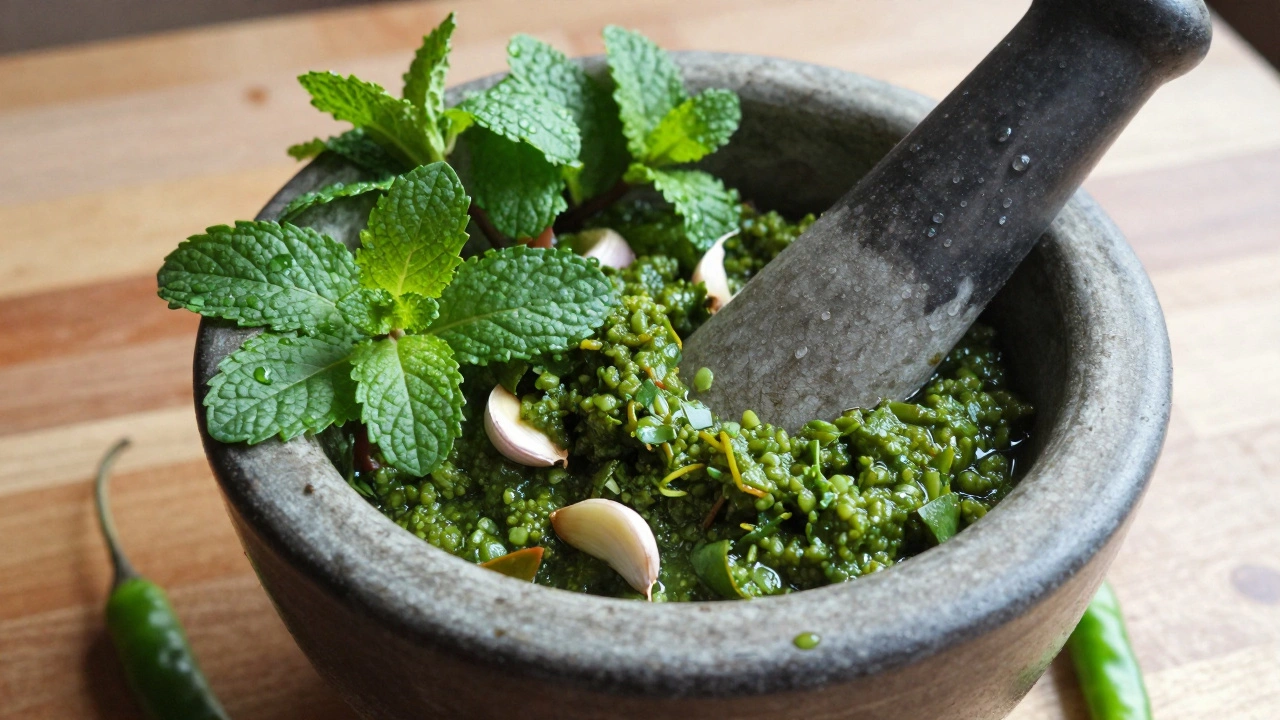
Chutney isn’t one thing. It’s a family of condiments made from fruits, vegetables, herbs, and spices, blended or pounded into a paste. Think of it as India’s answer to salsa, pesto, or relish-but far more varied. In South India, you’ll find coconut chutney made with roasted peanuts and green chilies. In the North, tamarind chutney sweetens samosas with jaggery and dates. Then there’s mint-cilantro chutney, tomato chutney, mango chutney, and even garlic chutney. Each one has its own texture, flavor, and nutritional profile.
The base ingredients matter more than you think. Fresh coriander, ginger, green chilies, tamarind, coconut, and lentils are common. These aren’t just flavor carriers-they’re packed with vitamins, antioxidants, and fiber. A 2-tablespoon serving of traditional mint chutney contains about 15 calories, 2 grams of carbs, and nearly 1 gram of fiber. That’s less than half the sugar in a single teaspoon of ketchup.
The Good: Why Chutney Can Be a Health Powerhouse
When made at home with real ingredients, chutney is a nutritional win. Let’s break it down.
- Antioxidants galore: Ingredients like turmeric, ginger, and green chilies are loaded with compounds that fight inflammation. Curcumin in turmeric has been studied for its ability to reduce markers of oxidative stress-something linked to heart disease and arthritis.
- Probiotic potential: Fermented chutneys, like those made with raw mango or fenugreek seeds, naturally develop beneficial bacteria. These help your gut microbiome, which affects everything from digestion to mood.
- No preservatives: Store-bought chutneys often have added sugar, vinegar, and preservatives. Homemade versions? Just fresh produce, salt, and maybe a splash of lemon. That means no artificial additives.
- Low in fat: Most chutneys are oil-free or use minimal oil. Unlike creamy dressings or mayonnaise-based dips, they don’t drag down your calorie count.
A 2023 study from the National Institute of Nutrition in Hyderabad tracked 800 people who ate homemade chutney daily. Those who consumed at least one tablespoon with meals had a 17% lower risk of developing prediabetes over two years compared to those who didn’t. Why? The fiber and polyphenols slowed sugar absorption after meals.
The Bad: Where Chutney Goes Wrong
Not all chutneys are created equal. The problem isn’t chutney itself-it’s what gets added to it.
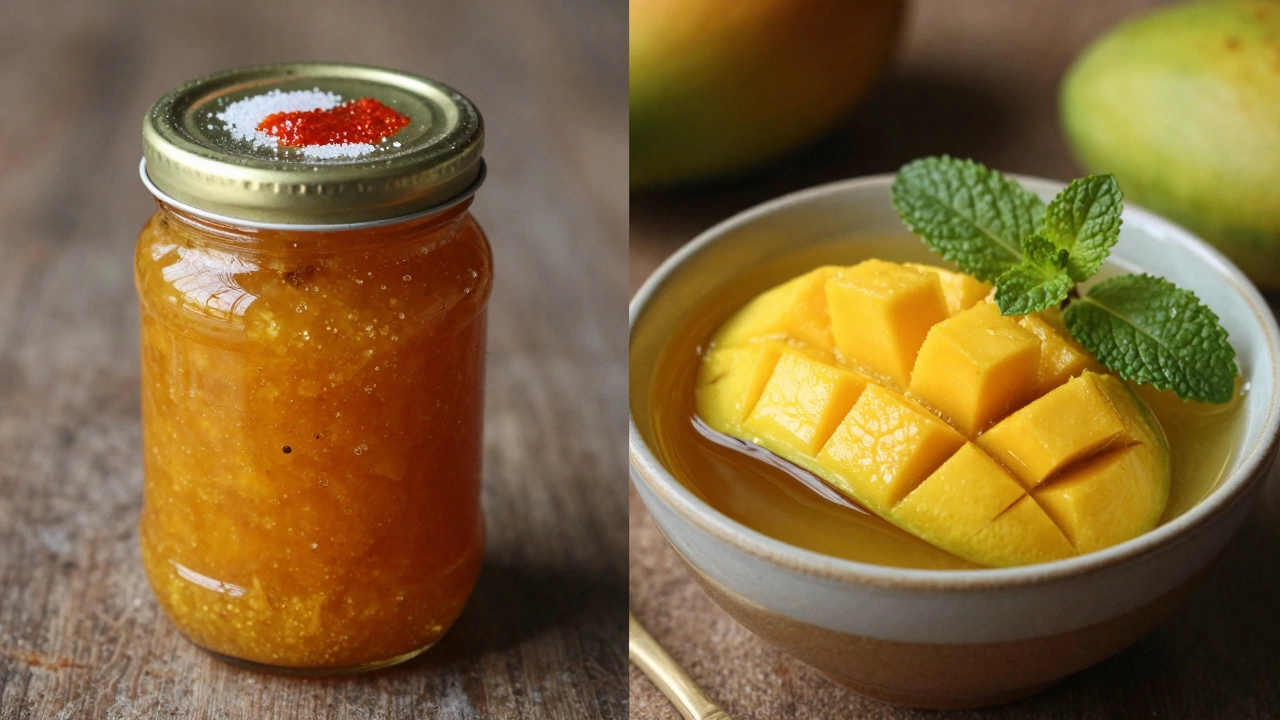
- Sugar overload: Many commercial mango chutneys are 60% sugar by weight. A single jar can have 18 grams of sugar per serving-more than a can of soda. That’s not chutney anymore; it’s candy with a spicy kick.
- Sodium spikes: Some brands load up on salt to preserve flavor. One tablespoon of a cheap tamarind chutney can contain 180 mg of sodium. For people with high blood pressure, that’s nearly 10% of the daily limit in one spoonful.
- Hidden oils: To extend shelf life, some manufacturers add refined oils. These aren’t the healthy sesame or coconut oils you’d use at home-they’re cheaper, processed oils that can raise bad cholesterol.
- Artificial flavors: If you see “natural flavors” or “coloring” on the label, walk away. Real chutney gets its color from tomatoes, mint, or mangoes-not FD&C Red 40.
Here’s a real example: A popular supermarket brand of “authentic” tamarind chutney lists sugar as its second ingredient, after tamarind. The third? High-fructose corn syrup. That’s not traditional. That’s a sugar bomb disguised as a condiment.
Chutney vs. Ketchup: The Real Comparison
People often compare chutney to ketchup. But they’re not the same. Here’s how they stack up per tablespoon:
| Component | Homemade Mint Chutney | Store-Bought Ketchup |
|---|---|---|
| Calories | 15 | 20 |
| Sugar | 1 g | 4 g |
| Sodium | 50 mg | 167 mg |
| Fiber | 1 g | 0 g |
| Added Preservatives | None | Yes (potassium sorbate, sodium benzoate) |
Homemade chutney wins on every front. Less sugar. Less salt. More fiber. No chemicals. And it’s made with ingredients you can name.
Who Should Be Careful?
Chutney isn’t for everyone-especially if it’s store-bought.
- Diabetics: Avoid sweet chutneys with jaggery or corn syrup. Stick to tangy, savory types like onion or garlic chutney. Always check labels.
- Hypertensive individuals: Limit salt-heavy chutneys. Rinse store-bought versions under water to remove excess sodium before using.
- People with acid reflux: Tamarind and citrus-based chutneys can trigger heartburn. Mint chutney is gentler on the stomach.
- Children under 3: Avoid spicy chutneys. Even mild versions can be too intense. Opt for a plain coconut or tomato version with no added sugar.

How to Make Chutney That’s Actually Good for You
Homemade chutney is easy. You don’t need fancy tools. A blender or mortar and pestle will do.
- Start with fresh ingredients: Use ripe mangoes, fresh mint, or raw coconut. Avoid canned or pre-cut.
- Control the sugar: Skip jaggery or honey unless you’re making dessert chutney. Use a pinch of date paste if you need sweetness.
- Go light on salt: Use sea salt or rock salt. Start with ¼ teaspoon per cup of ingredients.
- Add healthy fats sparingly: A teaspoon of sesame oil or coconut oil enhances flavor and nutrient absorption-but don’t drown it.
- Store smart: Keep chutney in glass jars in the fridge. It lasts 10-14 days. Freeze in ice cube trays for longer storage.
Try this simple recipe: Blend 1 cup fresh coriander leaves, 2 green chilies, 1 clove garlic, 1 tablespoon lemon juice, and a pinch of salt. That’s it. No oil. No sugar. Just flavor and function.
Final Verdict: Good or Bad?
Chutney is neither inherently good nor bad. It’s a mirror of what you put into it. Homemade chutney made with whole ingredients? It’s a health ally. Store-bought chutney with sugar as the second ingredient? It’s a trap.
The key is intention. If you’re using chutney to add flavor, not calories-if you’re choosing it because it’s fresh, vibrant, and real-you’re doing something right. Chutney was never meant to be a condiment you pour from a plastic jar. It was meant to be made in small batches, shared at meals, and eaten with joy.
So next time you reach for that jar, ask: Is this chutney, or is this sugar with a side of spice?
Is chutney good for weight loss?
Yes-if it’s homemade and low in sugar. Chutney adds flavor without bulk. A tablespoon of mint or coconut chutney has under 20 calories and provides fiber that helps you feel full. Avoid sweet varieties like mango or tamarind chutney from jars-they’re often loaded with sugar and oil.
Can diabetics eat chutney?
Diabetics can eat chutney, but they need to be selective. Avoid sweet chutneys made with jaggery, honey, or corn syrup. Stick to savory types like garlic, onion, or cilantro chutney. Always check labels on store-bought versions. Homemade versions with no added sugar are safest.
Does chutney have probiotics?
Some do. Fermented chutneys-like those made with raw mango, fenugreek, or mustard seeds-naturally develop beneficial bacteria during the fermentation process. These can support gut health. But most store-bought chutneys are pasteurized, which kills probiotics. Look for refrigerated, unpasteurized versions if you want live cultures.
How long does homemade chutney last?
Homemade chutney lasts about 10-14 days in the fridge when stored in a clean, airtight glass jar. To extend its life, freeze it in ice cube trays. Once frozen, transfer cubes to a sealed bag-they’ll keep for up to 6 months. Always use a clean spoon to scoop it out to avoid contamination.
Is coconut chutney healthy?
Yes, coconut chutney is one of the healthiest options. Made with fresh grated coconut, green chilies, and a touch of salt, it’s rich in fiber, healthy fats, and antioxidants. It’s naturally low in sugar and often oil-free. Just avoid versions that add sugar or excessive oil for texture.