Dal vs. Lentil Comparison Tool
Select a legume below to see its specific characteristics compared to standard whole lentils.
Whole Lentils
StandardMoong Dal
Split MungToor Dal
Pigeon PeaMasoor Dal
Red LentilChana Dal
Split ChickpeaUrad Dal
Black GramSelected Legume
Category- Cooking Time: --
- Texture: --
- Seed Coat: --
- Best Used For: --
- Digestibility: --
Comparison: Standard Whole Lentil
- Cooking Time: 20–30 minutes
- Texture: Firm, distinct grains
- Seed Coat: Intact (holds shape)
- Best Used For: Salads, thick stews
- Digestibility: Higher fiber, harder digestion
Have you ever stood in the aisle of your local supermarket, staring at a bag of red split peas and another labeled "Toor Dal," wondering if they are just different names for the same thing? You aren't alone. For anyone new to Indian cooking, the terminology can feel like a secret code. Is dal just a fancy word for lentils? Can you swap them interchangeably in any recipe?
The short answer is no, but it’s close. Think of it this way: all dal are made from lentils (or beans/peas), but not all lentils are called dal until they undergo a specific process. Understanding this distinction changes how you cook, how fast your dinner comes together, and whether your curry turns out creamy or chunky.
What Exactly Is Dal?
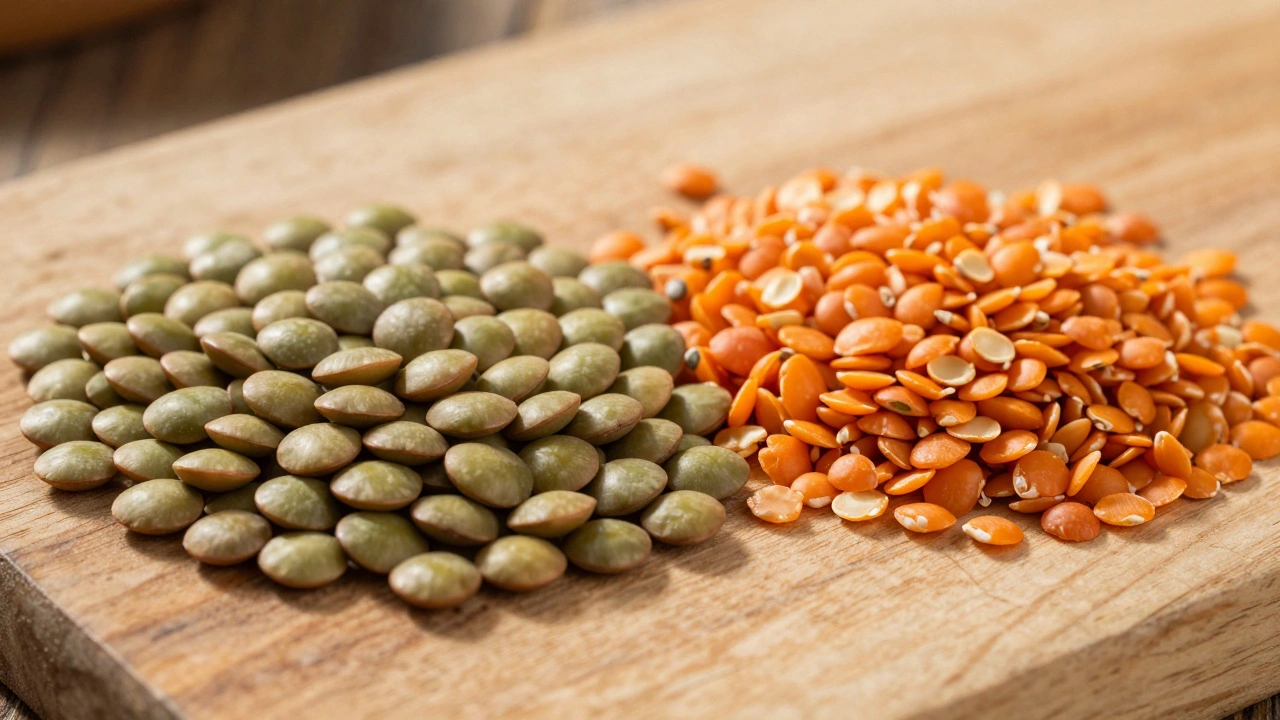
In Indian cuisine, the word "dal" refers to legumes that have been cleaned, dried, and then split into halves or smaller pieces. This splitting process is crucial. When a whole lentil is split, its seed coat is often removed. This removal allows the legume to cook significantly faster than its whole counterpart.
While we usually associate dal with lentils, the category actually includes split chickpeas (chana dal) and split pigeon peas (toor dal). So, when an Indian grandmother asks for "dal," she isn't asking for a specific species of plant; she is asking for a preparation style. It is the difference between buying whole almonds and buying slivered almonds. They come from the same source, but their texture, cooking time, and culinary use differ vastly.
This processing makes dal a staple in Indian households because it transforms hard, slow-cooking beans into a quick, nutritious base for soups, stews, and curries. It is the comfort food of India, served daily in millions of homes across the subcontinent.
Lentils vs. Dal: The Key Differences
To really grasp the difference, let's look at the physical and chemical changes that happen during the milling process. Whole lentils retain their outer skin. That skin holds the shape together during boiling. Split dal loses that structural integrity. As it cooks, it disintegrates, releasing starches that naturally thicken the dish without needing flour or cornstarch.
| Feature | Whole Lentils (e.g., Masoor) | Split Dal (e.g., Masoor Dal) |
|---|---|---|
| Cooking Time | 20-30 minutes | 10-15 minutes |
| Texture | Firm, distinct grains | Soft, mushy, creamy |
| Seed Coat | Intact (holds shape) | Removed (releases starch) |
| Best Used For | Salads, salads, thick stews | Soups, curries, purees |
| Nutrient Retention | Higher fiber (skin intact) | Slightly lower fiber, easier digestion |
If you try to make a traditional yellow dal tadka using whole green lentils, you will end up with a watery broth and hard, chewy beans. Conversely, if you try to make a lentil salad using split red dal, it will turn into a porridge within minutes. Knowing which form you need saves you from kitchen disasters.
Common Types of Dal You Should Know
Not all dal are created equal. Each type has a unique flavor profile and texture. Here are the most common ones you will encounter in recipes:
- Moong Dal: Made from split mung beans. It is light, easy to digest, and often the first solid food given to babies in India. It has a mild, slightly sweet flavor.
- Toor Dal (Arhar): Made from split pigeon peas. This is the gold standard for South Indian sambar and North Indian dal tadka. It has a nutty flavor and becomes very creamy when cooked long enough.
- Masoor Dal: Split red lentils. These dissolve almost completely when boiled, making them perfect for thick, hearty soups. They cook incredibly fast.
- Chana Dal: Split chickpeas. These hold their shape better than other dals and have a robust, earthy flavor. They are great for thicker, grainier curries.
- Urad Dal: Split black gram. Often used in savory pancakes (dosas) and heavy gravies. It has a strong, distinct taste and requires longer soaking or pressure cooking.
Notice how none of these are referred to by their botanical name in the kitchen. If you see a recipe calling for "yellow moong dal," you know exactly what to buy. If it just says "lentils," you might grab the wrong variety.
Why Does This Matter for Your Cooking?
Understanding the dal vs. lentil distinction helps you manage expectations and technique. Whole lentils require more water and longer simmering times. They are excellent for dishes where you want the individual grain to remain visible, like a Mediterranean lentil salad or a French-style lentil stew.
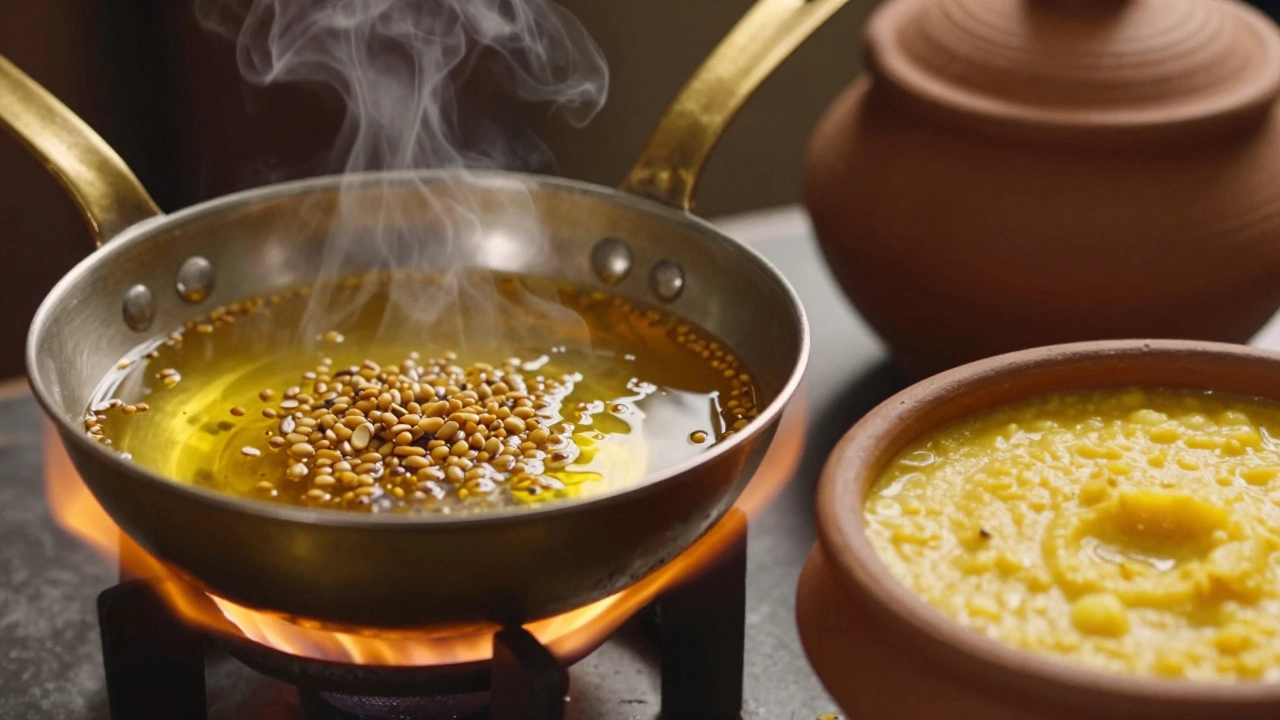
Dal, on the other hand, is designed to become part of a sauce. The goal is usually a cohesive, pourable consistency. In Indian cooking, we often temper spices (tadka) in hot oil and pour them over the boiled dal. The heat releases the aromatics of cumin, mustard seeds, and garlic, infusing the soft legume mixture with deep flavor. This technique relies on the dal being soft enough to absorb those oils.
If you are substituting, remember this rule of thumb: You can sometimes use whole lentils in place of dal if you pressure cook them longer, but you cannot use split dal in place of whole lentils for salads. The texture mismatch will ruin the dish.
A Simple, Foolproof Dal Recipe
Now that you know the difference, let's put it to work. This simple masoor dal recipe is perfect for beginners. It highlights the speed and creaminess that only split dal can provide.
Ingredients:
- 1 cup red masoor dal (rinsed well)
- 2.5 cups water
- 1/2 teaspoon turmeric powder
- 1/2 teaspoon salt
- 1 tablespoon ghee or oil
- 1/2 teaspoon cumin seeds
- 1 clove garlic, minced
- 1 small onion, finely chopped
- 1 tomato, chopped
- Fresh cilantro for garnish
Instructions:
- Boil the Dal: In a pot, combine the rinsed dal, water, turmeric, and salt. Bring to a boil, then reduce heat to low. Cover and simmer for 10-12 minutes. Mash lightly with a spoon if you prefer a smoother texture. Keep it warm.
- Prepare the Tadka (Tempering): Heat ghee in a small pan over medium heat. Add cumin seeds and let them splutter. Add the minced garlic and chopped onion. Sauté until the onions turn translucent.
- Add Tomato: Stir in the chopped tomatoes and cook until they soften and lose their raw smell (about 3-4 minutes).
- Combine: Pour the tempering mixture over the boiled dal. Stir well to combine.
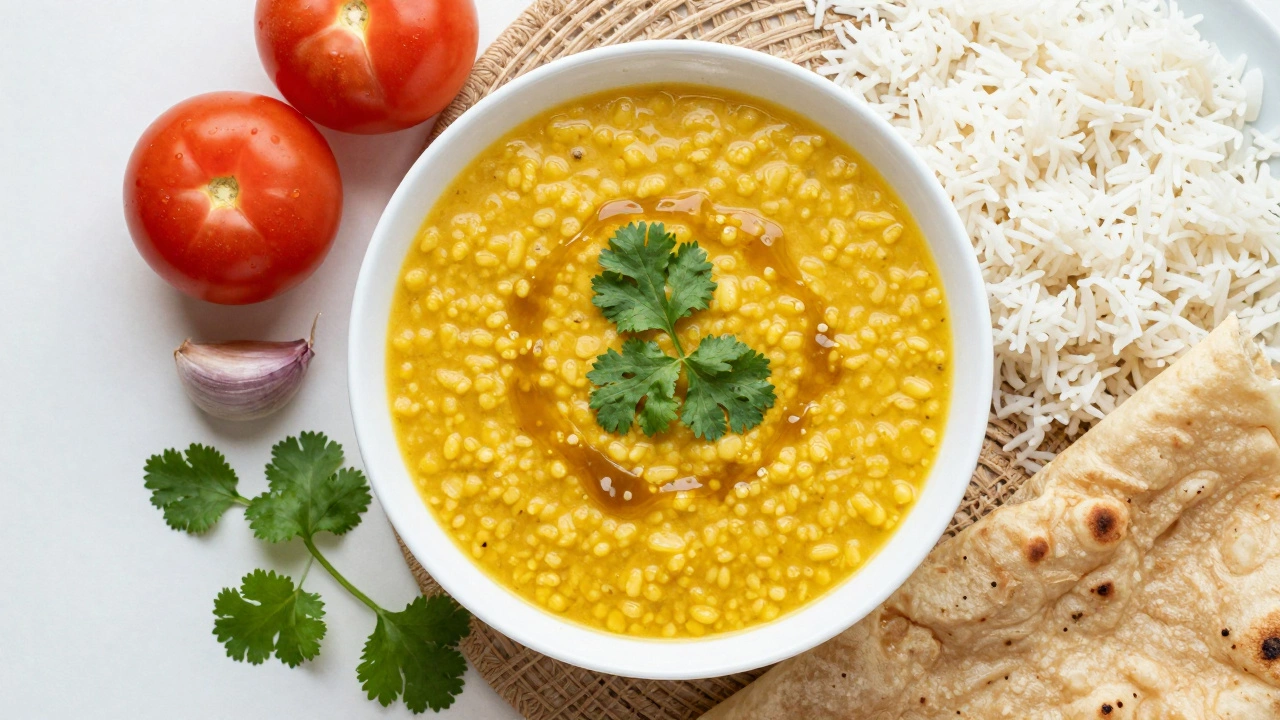
- Serve: Garnish with fresh cilantro. Serve hot with rice or roti.
This entire process takes less than 20 minutes. Try doing that with whole brown lentils, and you'll be waiting twice as long for a much firmer result.
Storage and Buying Tips
When buying dal, check for freshness. Old dal can become brittle and take longer to cook. Look for vibrant colors-bright orange for masoor, pale yellow for moong. Store them in airtight containers in a cool, dry place. Because the seed coats are removed, dal is slightly more susceptible to absorbing odors from your pantry, so keep them away from strong-smelling spices or onions.
If you live outside of India, you might find dal in the international aisle of larger supermarkets or at Asian grocery stores. Don't be afraid to ask the shopkeeper for help. They are usually happy to point you toward the right split variety for your specific recipe.
Health Benefits of Eating Dal
Beyond convenience, dal is a nutritional powerhouse. It is rich in protein, fiber, iron, and folate. Because the skins are often removed, split dal is easier to digest than whole beans, making it a great option for people with sensitive stomachs. However, whole lentils do retain slightly more fiber due to the intact skin. Including both in your diet ensures you get a broad spectrum of nutrients.
In Sydney, where I live, access to diverse legumes is excellent. But even here, many people default to canned beans or frozen vegetables. Incorporating dry dal into your weekly rotation is a cost-effective way to boost your protein intake without relying on meat. It’s sustainable, cheap, and deeply satisfying.
Can I use whole lentils instead of dal in a recipe?
You can, but you must adjust the cooking time and water ratio. Whole lentils take longer to cook and will not break down as easily. If the recipe calls for a creamy texture, you may need to blend the cooked lentils. For salads or dishes requiring firm grains, whole lentils are actually preferred.
Do I need to soak dal before cooking?
Generally, no. Most split dals like masoor and moong cook quickly enough without soaking. However, harder dals like chana dal or urad dal benefit from a 30-minute soak to reduce cooking time and improve digestibility. Always rinse them thoroughly to remove dust.
What is the difference between Toor Dal and Arhar Dal?
They are the same thing. Toor dal is the common name used in North India, while Arhar dal is the term used in South India. Both refer to split pigeon peas. You can use them interchangeably in any recipe.
Why does my dal turn out too watery?
This usually happens if you add too much water initially or if you didn't mash the dal enough after boiling. Split dal releases starch as it cooks; stirring and mashing helps thicken the gravy. If it's still thin, simmer uncovered for a few more minutes to evaporate excess liquid.
Is dal gluten-free?
Yes, pure dal is naturally gluten-free. However, always check labels if buying pre-packaged mixes, as cross-contamination can occur in facilities that also process wheat. Traditional Indian cooking uses dal as a safe staple for those avoiding gluten.