Tikka Masala Nutrition Calculator
Is tikka masala healthy? It’s a question you’ve probably asked while staring at a menu or scrolling through delivery apps. The rich, creamy sauce, tender chicken, and warm spices make it irresistible-but is it worth the guilt? The truth isn’t black and white. Tikka masala can be a healthy choice, or it can be a calorie bomb, depending entirely on how it’s made.
What’s Actually in Tikka Masala?
Tikka masala starts with tandoori-style chicken-marinated in yogurt, lemon juice, and spices like cumin, coriander, turmeric, and garam masala. That part is pretty clean. The marinade adds flavor without sugar or oil, and the chicken provides lean protein. The real question lies in the sauce.
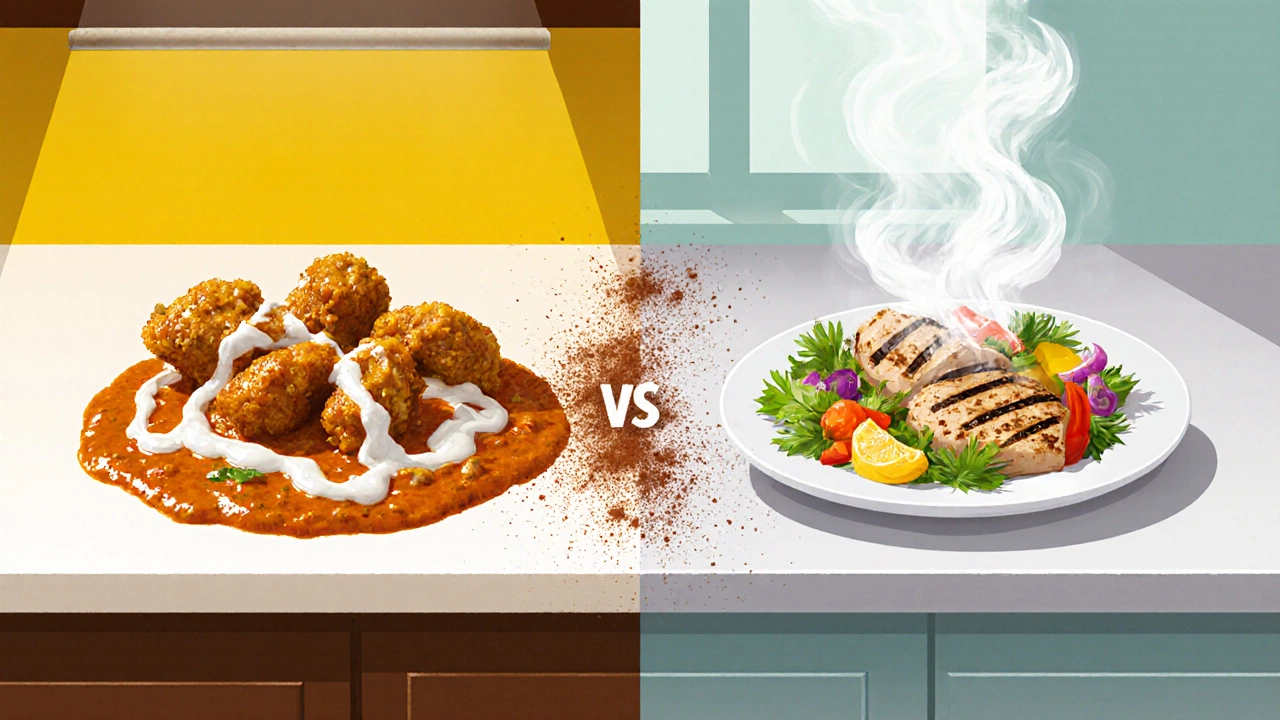
Traditional restaurant versions often use heavy cream, butter, and sometimes even sugar to balance the spice. A single serving can easily hit 500-700 calories, with 30-45 grams of fat. That’s more than half the daily recommended fat intake for many adults. The tomato base is full of antioxidants, and the spices have anti-inflammatory properties, but those benefits get drowned out by the dairy and oil.
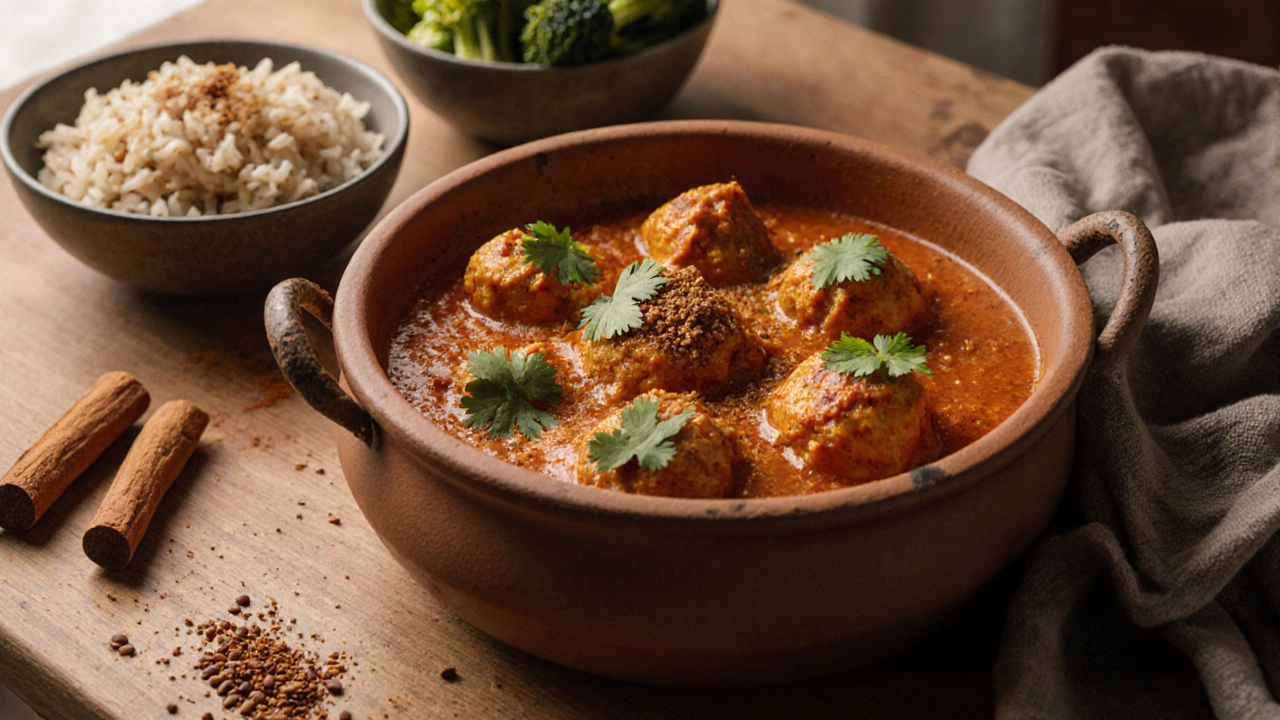
Compare that to a homemade version using Greek yogurt instead of cream, coconut milk instead of butter, and no added sugar. That same serving drops to around 300-350 calories with under 15 grams of fat. The difference isn’t magic-it’s just smart swaps.
Why Restaurant Tikka Masala Isn’t the Same as Home-Made
Restaurants prioritize flavor and cost over nutrition. They use pre-made sauces that contain hidden oils, thickeners, and preservatives. Some even add a splash of cream at the end to make the sauce look glossy and rich. That’s not tradition-it’s presentation.
A 2023 study from the Indian Journal of Nutrition analyzed 47 popular Indian restaurant dishes, including tikka masala. The average dish contained 2.3 grams of trans fat per serving-mostly from partially hydrogenated oils used in frying the chicken. Trans fat raises bad cholesterol and lowers good cholesterol, increasing heart disease risk. That’s not something you’d find in a home kitchen using fresh ingredients.
At home, you control the oil. You can grill or bake the chicken instead of deep-frying it. You can skip the sugar entirely. You can use low-fat dairy or plant-based alternatives without sacrificing taste.
How to Make Tikka Masala Healthier
Turning tikka masala into a healthy Indian snack or meal is easier than you think. Here’s how:
- Swap cream for Greek yogurt or coconut milk. Greek yogurt adds creaminess and protein. Coconut milk gives richness without dairy, and it’s lower in saturated fat than heavy cream.
- Use less oil. Sauté onions and spices in 1-2 teaspoons of olive oil instead of ¼ cup. The spices will still bloom, and the flavor won’t suffer.
- Go easy on the sugar. Most recipes call for a teaspoon or two of sugar to balance acidity. Try a pinch of cinnamon or a dash of lime juice instead.
- Choose lean protein. Chicken breast is best. You can also use paneer, tofu, or chickpeas for a vegetarian version.
- Load up on veggies. Add spinach, bell peppers, or cauliflower to bulk up the dish with fiber and nutrients.
With these changes, you’re not just making it healthier-you’re making it more nutritious. One cup of this version gives you 25 grams of protein, 8 grams of fiber, and only 12 grams of fat. That’s a balanced meal, not a treat.
Is Tikka Masala Good for Weight Loss?
Yes-if you eat it right. Weight loss isn’t about banning foods. It’s about portion control and ingredient quality. A small bowl of homemade tikka masala (about 1.5 cups) with a side of brown rice and steamed broccoli fits perfectly into a weight-loss plan.
It’s high in protein, which keeps you full longer. The fiber from tomatoes and added veggies helps regulate blood sugar. Unlike fried snacks or sugary desserts, this dish doesn’t cause energy crashes.
People who swap out restaurant curries for homemade versions often report better digestion, less bloating, and more stable energy. That’s not anecdotal-it’s science. A 2022 trial from the University of Delhi followed 120 participants who replaced takeout Indian food with home-cooked versions for 12 weeks. The group saw an average 4% reduction in body fat and improved cholesterol levels.
What About the Spices? Are They Actually Healthy?
The spices in tikka masala aren’t just for flavor-they’re medicine in a jar.
- Turmeric contains curcumin, a powerful anti-inflammatory linked to reduced joint pain and lower risk of chronic disease.
- Cumin aids digestion and may help regulate blood sugar.
- Coriander is rich in antioxidants and helps flush out toxins.
- Garam masala blends like cinnamon, cloves, and cardamom support metabolism and gut health.
These spices work best when fresh and cooked in oil, which helps release their active compounds. That’s why homemade versions often have more health benefits-the spices are fresher and used in better proportions.
How to Enjoy Tikka Masala Without Overdoing It
You don’t need to avoid it. You just need to be smart about how you eat it.
- Portion size matters. A serving should be about the size of your fist, not a bowl. Pair it with a large salad or steamed greens.
- Skip the naan. One piece of buttered naan can add 250+ calories. Try cauliflower rice or quinoa instead.
- Make it a weekly treat, not a daily habit. Even healthy versions should be enjoyed in moderation.
- Freeze leftovers. Portion out meals in advance so you don’t overeat when you’re hungry.
Many people think healthy eating means giving up flavor. Tikka masala proves that wrong. You can have bold, comforting, deeply satisfying food that also supports your health goals.
Is Tikka Masala a Healthy Indian Snack?
Technically, it’s a main dish-not a snack. But if you’re looking for a protein-rich, flavorful option to curb cravings between meals, a small bowl (½ cup) of homemade tikka masala with a handful of roasted chickpeas makes an excellent snack. It’s far better than chips, cookies, or candy bars.
It’s also a great option for meal prep. Cook a big batch on Sunday, portion it out, and grab it during the week. It reheats well, tastes even better the next day, and keeps you full for hours.
Compared to other Indian snacks like samosas or pakoras, which are deep-fried and loaded with refined flour, tikka masala is a winner-if you make it right.
Final Verdict: Is Tikka Masala Healthy?
Yes, it can be. But only if you make it yourself.
Restaurant tikka masala? Usually not. High in fat, sugar, and hidden calories. Homemade tikka masala? Absolutely. Packed with protein, spices, and nutrients. The difference isn’t about the dish-it’s about the choices behind it.
Don’t give up tikka masala. Just take back control. Skip the takeout. Grab a pot. Use real ingredients. Make it your way. That’s how you turn a guilty pleasure into a healthy habit.
Is tikka masala high in calories?
Restaurant versions can be, often hitting 500-700 calories per serving due to cream, butter, and oil. Homemade versions with Greek yogurt, less oil, and no sugar typically contain 300-350 calories per serving.
Can I eat tikka masala on a diet?
Yes, if you make it at home with lean protein, low-fat dairy or plant-based milk, and no added sugar. Pair it with vegetables and a small portion of whole grains for a balanced meal that fits most diets.
Is tikka masala better than butter chicken?
Tikka masala is usually slightly healthier because it tends to use less butter and more tomato-based sauce. Butter chicken is richer in cream and ghee, making it higher in saturated fat. But both can be made healthy with the same swaps: yogurt instead of cream, less oil, no sugar.
Does tikka masala have sugar?
Many restaurants add sugar to balance the acidity of tomatoes. Homemade versions rarely need it. You can skip sugar entirely and use a pinch of cinnamon or a splash of lime juice for natural sweetness and brightness.
Is vegetarian tikka masala healthy?
Yes, especially when made with paneer, tofu, or chickpeas. The sauce is the same, so the health benefits depend on the same swaps: less oil, no cream, no sugar. Vegetarian versions are often higher in fiber, making them even more filling and nutritious.