Tikka Masala vs Curry Quiz
Test Your Knowledge
Your Results
You scored 0 out of 0
People often ask if tikka masala is just curry. It’s a simple question, but the answer isn’t. If you’ve ever ordered a dish at an Indian restaurant and been handed a creamy, orange-red sauce with chunks of spiced tofu or paneer, you’ve probably called it curry. But that’s not quite right. Tikka masala isn’t just another type of curry-it’s a specific dish with its own history, ingredients, and flavor profile. And confusing the two misses the whole point of what makes Indian food so rich and varied.
What Actually Counts as Curry?
The word "curry" isn’t Indian. It’s a British colonial invention. Back in the 1700s, British officials and soldiers in India heard local people say "kari," a Tamil word for sauce or gravy. They latched onto it and turned it into a catch-all term for any spiced, saucy dish from the subcontinent. Today, "curry" is used everywhere-from British supermarkets to American takeout menus-to describe anything with turmeric, cumin, coriander, and chili. But in India, there’s no single dish called "curry." Instead, there are hundreds: chana masala, bhindi sabzi, dal makhani, aloo gobi-each with its own name, spices, and regional roots.
Real Indian curries vary wildly by region. In the south, you’ll find coconut-based curries with tamarind and curry leaves. In the north, dairy-rich gravies with cream and butter dominate. In Gujarat, they’re sweet. In Punjab, they’re bold and buttery. Calling all of them "curry" is like calling every soup "broth." It’s not wrong, but it’s missing the point.
What Is Tikka Masala, Really?
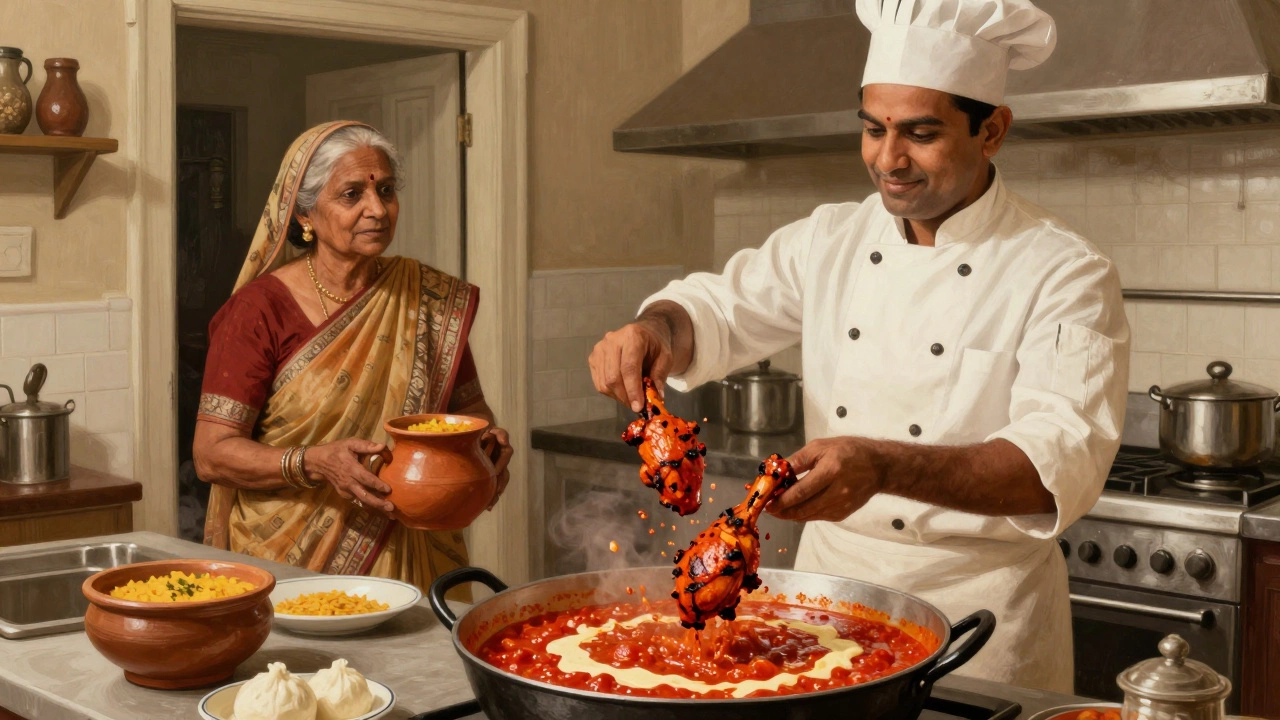
Tikka masala is a dish that was likely created in the UK in the 1960s-possibly in Glasgow or London-by an Indian chef trying to appeal to British tastes. It started with tandoori chicken pieces (tikka), which were grilled over charcoal and then tossed in a creamy tomato-based sauce. The sauce? It’s not traditional Indian. It’s a fusion: heavy on cream, tomato puree, garam masala, and a touch of sugar to balance the heat. The color? Often from food coloring or paprika, not turmeric. The texture? Thick, velvety, and meant to cling to rice or naan.
In India, you won’t find tikka masala on street stalls or home menus. You’ll find paneer tikka-grilled cubes of cheese marinated in yogurt and spices-but not drowned in sauce. The sauce version? That’s a British-Indian hybrid. And that’s okay. It’s not "inauthentic" just because it wasn’t born in Punjab. It’s a new dish, born from adaptation.
Key Differences Between Tikka Masala and Curry
Let’s break it down clearly. Here’s what sets tikka masala apart from what most people call "curry":
- Base: Tikka masala uses tomato and cream. Most Indian curries use onions, garlic, ginger, and sometimes coconut milk or yogurt.
- Spices: Tikka masala leans on garam masala and paprika. Traditional curries use whole spices like cumin seeds, mustard seeds, and fenugreek, often toasted and ground fresh.
- Texture: Tikka masala is thick and smooth. Indian curries can be thin and brothy or chunky and rustic.
- Protein: Tikka masala usually has grilled meat or paneer. Indian curries often simmer the protein in the sauce from the start.
- Color: Tikka masala is bright orange-red. Indian curries range from golden yellow (turmeric-based) to deep brown (slow-cooked onion and spice).
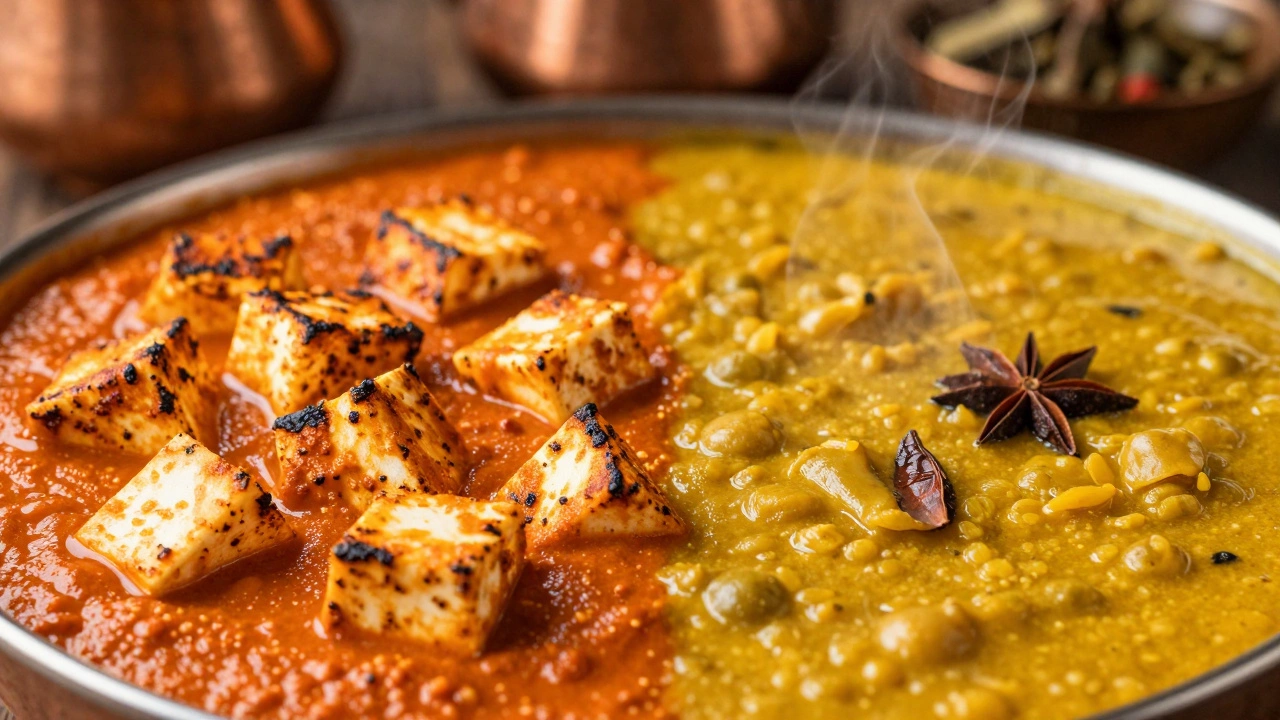
So if you’re eating a dish with a thick, creamy, orange sauce and grilled chunks of paneer, you’re eating tikka masala-not curry. If you’re eating a dish with lentils simmered in cumin and mustard seeds, that’s dal. If it’s cauliflower and potatoes in a spiced onion gravy, that’s aloo gobi. Those are curries. Tikka masala? That’s its own thing.
Why the Confusion Exists
The confusion comes from how Indian food is presented outside India. In Western countries, restaurants often label everything as "curry" because it’s easier. A menu with "Chicken Curry," "Vegetable Curry," and "Tikka Masala" feels familiar. But it’s misleading. It flattens hundreds of regional dishes into one word. It also pushes the real, complex flavors of Indian cooking into the background.
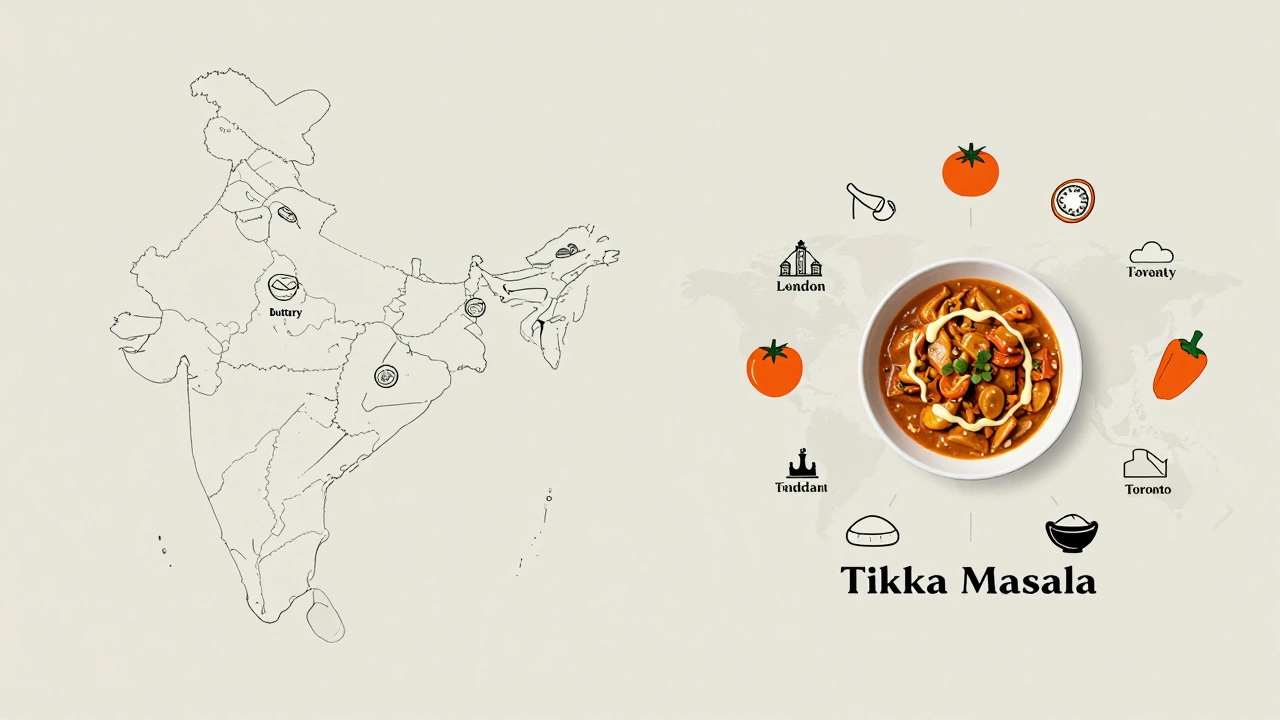
And it’s not just about names. The way tikka masala is made in most Western restaurants is different from how it’s made in India. In India, if you order paneer tikka masala, you’ll likely get it as a side dish with a lighter sauce, maybe even a bit spicy. In Sydney, London, or Toronto, it’s often drowned in cream and sugar to make it "mild" and "family-friendly." That’s not wrong-it’s just different. It’s a version adapted for local palates.
How to Tell Them Apart at a Restaurant
If you’re trying to figure out what you’re really ordering, here’s what to look for:
- Check the ingredients. If the menu says "cream," "tomato puree," or "garam masala," it’s likely tikka masala.
- Look at the color. Bright orange-red? Probably tikka masala. Golden yellow or brown? Likely a traditional curry.
- See if the protein is grilled first. Tikka masala usually has pre-grilled pieces. Curries simmer everything together.
- Ask. Don’t be shy. Say: "Is this a traditional Indian curry, or is it the British-style tikka masala?" Most chefs will appreciate the question.
And if you’re cooking at home? Try making both. Make a simple chana masala with chickpeas, tomatoes, and spices. Then make a tikka masala with paneer, cream, and tomato sauce. Taste the difference. One is earthy and tangy. The other is rich and comforting. They’re both delicious-but they’re not the same.
Is Tikka Masala Vegetarian?
Yes, if it’s made with paneer, tofu, or vegetables. Paneer tikka masala is one of the most popular vegetarian dishes in Indian restaurants worldwide. The sauce itself is naturally vegetarian-no meat or animal stock. Just cream, tomatoes, spices, and oil. But always double-check. Some restaurants use chicken stock in the base, even in "vegetarian" versions. Ask for "no stock" or "vegan version" if you’re strict.
And if you want to make it vegan? Swap cream for coconut milk, butter for oil, and use tofu instead of paneer. It still tastes amazing. The magic of tikka masala isn’t in the dairy-it’s in the balance of sweet, tangy, and spicy.
Final Thought: It’s Not About Purity
Some food purists will tell you tikka masala isn’t "real" Indian food. And technically, they’re right-it wasn’t invented in India. But food evolves. It moves. It changes when people carry it across borders. Tikka masala is now a global dish. It’s served in Sydney cafes, Tokyo bistros, and Berlin food markets. It’s on the menu at half the Indian restaurants in Australia.
That doesn’t make it less valuable. It makes it part of a living tradition. The real question isn’t "Is it curry?" It’s "Do you enjoy it?" And if you do, then you’re part of its story too.
Is tikka masala the same as butter chicken?
No, they’re similar but different. Butter chicken uses marinated chicken cooked in a tomato and butter sauce, with a smoother texture and less spice. Tikka masala uses grilled pieces (tikka) in a thicker, creamier sauce with more garam masala. Butter chicken is richer in butter; tikka masala is richer in cream and tomato.
Can I make tikka masala without cream?
Yes. You can use coconut milk, cashew paste, or even blended silken tofu to get that creamy texture without dairy. Many vegan versions taste just as good. The key is balancing the acidity of the tomatoes with a little sugar or yogurt.
Why is tikka masala so orange?
The bright orange color comes from paprika, Kashmiri chili powder, or sometimes food coloring. In India, traditional versions are more reddish-brown. The vivid orange is a Western adaptation to make the dish look more appealing on a plate. It’s not about flavor-it’s about appearance.
Is tikka masala spicy?
It can be, but most restaurant versions are mild. The heat comes from chili powder, but cream and sugar tame it. If you want it spicy, ask for extra red chili powder or add fresh green chilies when cooking. The spice level is totally adjustable.
What’s the best side dish for tikka masala?
Plain basmati rice or naan bread. The rice soaks up the sauce, and naan is perfect for scooping. A simple cucumber raita (yogurt with mint and cucumber) helps cool the palate. Avoid overly spicy sides-they’ll clash with the dish’s creamy balance.