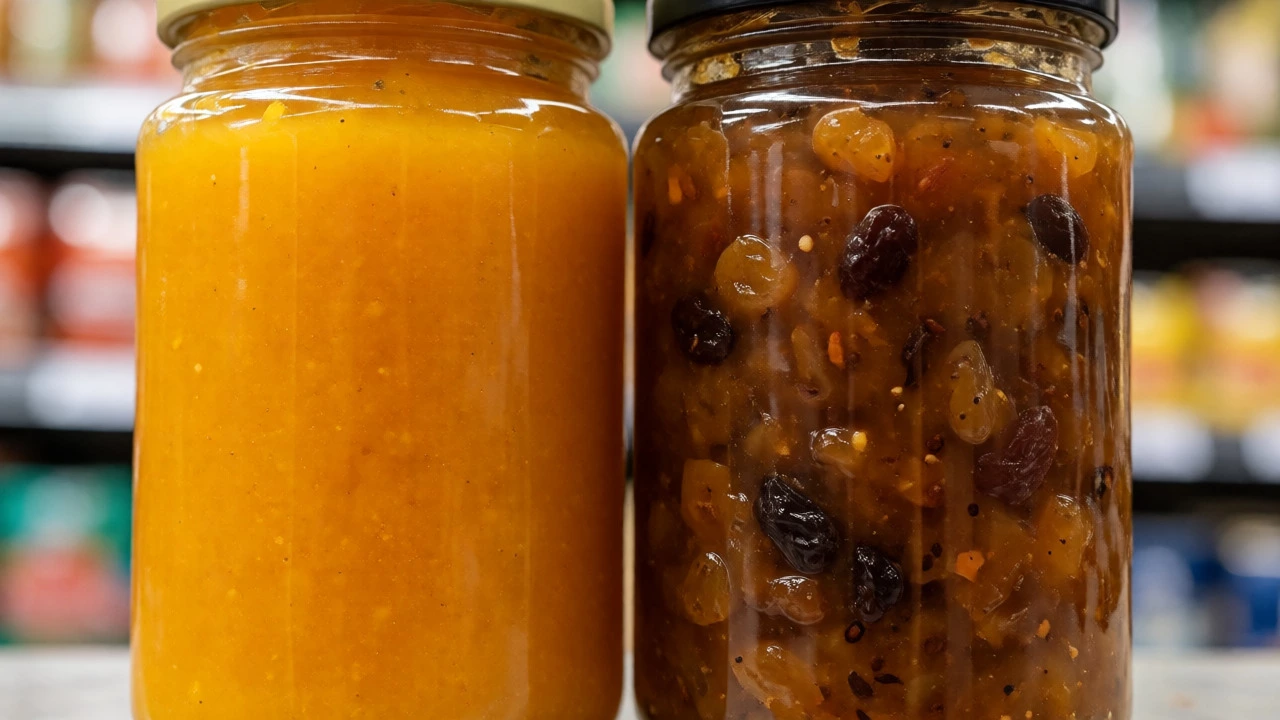
Chutney Selector: Mango vs. Major Grey's
Select the type of chutney you have (or want) and tell us what you're serving. We'll tell you if it's a match!
You’re standing in the aisle of your local Sydney supermarket, staring at two jars that look almost identical. One says "Mango Chutney," the other says "Major Grey’s." You grab one, then the other, then put them back. Are they the same thing? Is one just a fancy name for the other? If you’ve ever wondered why mango chutney and Major Grey’s chutney seem to be everywhere but never quite explained, you’re not alone. Most people assume they are interchangeable. They aren’t.
The confusion makes sense. Both start with mangoes. Both are sweet, tangy, and go great with curry or cheese. But if you take a closer look at the ingredients list, the texture, and the history behind the label, you’ll find these are two distinct products serving different culinary purposes. One is a broad category; the other is a specific style. Let’s break down exactly what separates them so you never pick up the wrong jar again.
The Core Distinction: Category vs. Brand Style
Think of it this way: "Mango Chutney" is like saying "Soda." It’s a general term for any preserved fruit condiment made primarily from mangoes. It can be smooth, chunky, spicy, mild, orange, yellow, or brown. There are thousands of variations across India and the world.
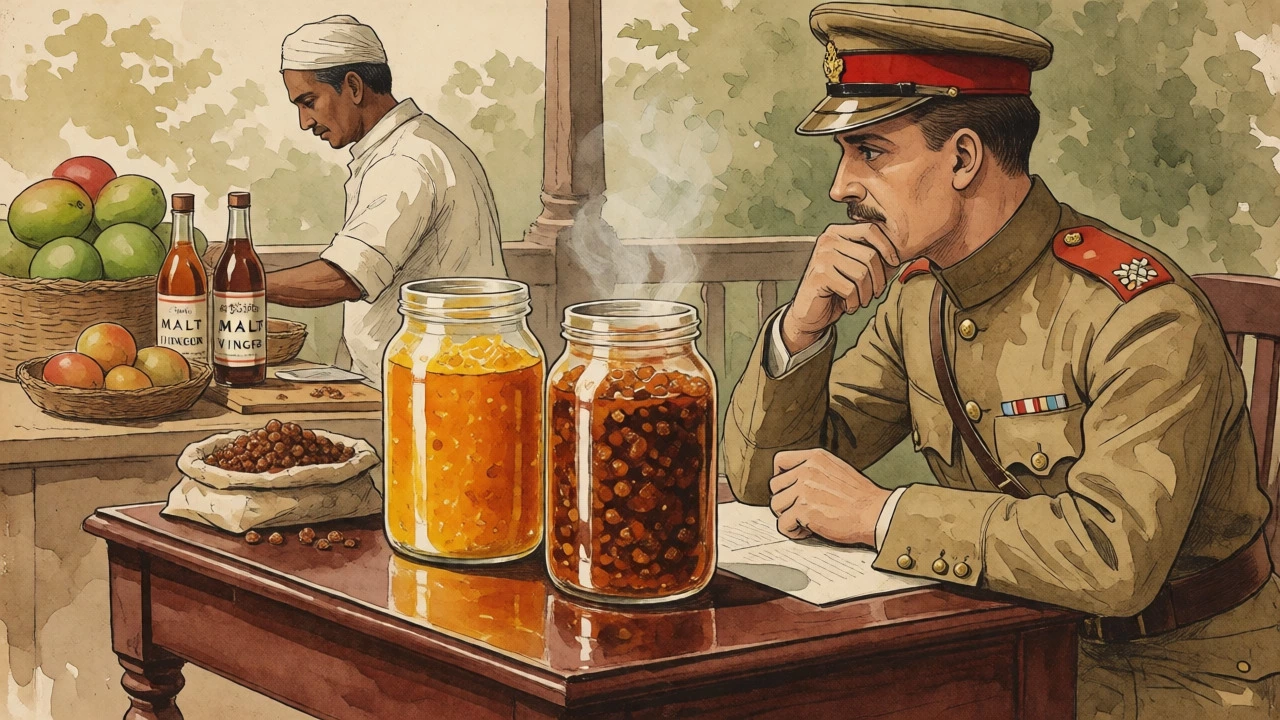
Major Grey’s Chutney is a specific type of mango chutney characterized by its inclusion of raisins, vinegar, and often spices like ginger or chili, resulting in a darker, more complex flavor profile. It’s named after Samuel Grey, a British officer who served in India during the colonial era. The recipe was adapted to suit British palates, which preferred sweeter, less intensely spiced flavors than traditional Indian chutneys.
So, all Major Grey’s is mango chutney, but not all mango chutney is Major Grey’s. This is the most important takeaway. If a jar doesn’t explicitly say "Major Grey’s" on the label, it’s likely a standard mango chutney, which might lack the raisins and vinegar punch that defines the Major Grey style.
Ingredient Breakdown: What’s Actually Inside?
Let’s look at what goes into each. Standard mango chutney recipes vary wildly. Some are just cooked-down mango pulp with sugar and salt. Others include onions, garlic, cumin, and coriander. The base is always ripe mangoes, but the supporting cast changes depending on the region or brand.
Major Grey’s has a stricter formula. While brands may tweak it slightly, the classic version includes:
- Ripe mangoes (obviously)
- Vinegar (usually malt or white wine vinegar)
- Sugar (often more than standard chutneys)
- Raisins or sultanas
- Ginger (fresh or dried)
- Chili powder or flakes (for heat)
- Cloves and cinnamon
The presence of raisins and vinegar is the dead giveaway. These ingredients add chewiness and acidity, balancing the sweetness of the mango and sugar. Traditional Indian mango chutneys might use tamarind for sourness instead of vinegar, and they rarely include raisins. The vinegar gives Major Grey’s that sharp, pickle-like bite that cuts through rich meats.
Flavor Profile and Texture: How Do They Taste Different?
If you taste test them side-by-side, the difference hits you immediately.
Standard mango chutney tends to be smoother and sweeter. Think of it as a jam with a hint of spice. It’s designed to complement delicate flavors, like grilled chicken or fish, without overpowering them. The texture is usually uniform, though some artisanal versions leave chunks of fruit.
Major Grey’s is more aggressive. It’s chunkier because of the raisins and sometimes visible spices. The flavor is a complex mix of sweet, sour, salty, and spicy. The vinegar adds a pungent aroma that standard chutneys lack. It’s bolder, designed to stand up to strong flavors like lamb, beef, or heavily spiced curries. If you eat it plain, it tastes more like a relish or a pickle than a sweet preserve.
| Feature | Mango Chutney | Major Grey’s Chutney |
|---|---|---|
| Primary Base | Mangoes | Mangoes |
| Key Additives | Sugar, salt, basic spices | Vinegar, raisins, ginger, chili |
| Texture | Smooth to slightly chunky | Chunky with visible raisins/spices |
| Flavor Balance | Predominantly sweet | Balanced sweet, sour, spicy |
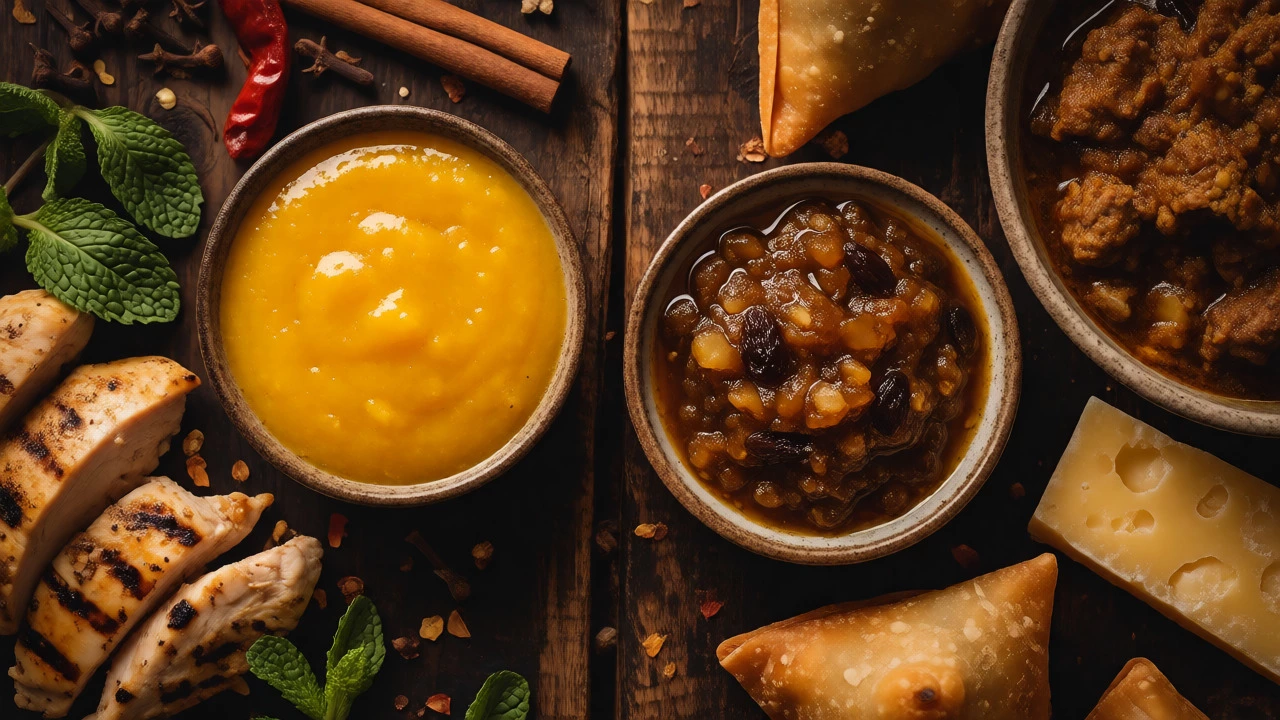
| Best Pairing | Fish, chicken, rice dishes | Lamb, beef, samosas, cheese platters |
Historical Context: Why Does Major Grey’s Exist?
To understand the difference, you have to look at history. Traditional Indian chutneys are fresh, often made daily, and rely on raw herbs, green chilies, and yogurt or coconut. Cooked fruit chutneys exist too, but they are regional specialties.
During the British Raj, British officers and settlers missed their pickles and jams. They tried to replicate Indian flavors using available ingredients. Samuel Grey, a colonel in the Bengal Lancers, reportedly had a cook who created a chutney that appealed to British tastes-sweeter, vinegary, and shelf-stable. It became popular among the expat community and eventually made its way back to Britain and Australia.
This adaptation is key. Major Grey’s is essentially a colonial fusion product. It’s not "authentic" Indian cuisine in the modern sense, but it’s a legitimate part of Anglo-Indian culinary heritage. Standard mango chutney, especially those made in India today, often sticks closer to traditional spice profiles and avoids vinegar in favor of natural fruit acids or tamarind.
Cooking Uses: When to Use Which?
Now that you know what they are, how do you use them? Using the wrong one can ruin a dish.
Use standard mango chutney when you want a subtle sweetness. It works beautifully as a glaze for roasted pork or chicken. Stir a spoonful into yogurt for a quick raita variant. Mix it with cream cheese for a simple dip for crackers. Because it’s milder, it won’t clash with delicate spices.
Use Major Grey’s when you need contrast. It’s the classic accompaniment to a samosa. The acidity cuts through the fried pastry and potato filling. Serve it alongside a cheese board-the sharpness pairs well with aged cheddar or blue cheese. It’s also excellent in sandwiches, adding moisture and zing to cold cuts. If you’re making a burger with an Indian twist, Major Grey’s provides the necessary kick that standard chutney lacks.
Pro tip: If you only have standard mango chutney but want the Major Grey effect, add a teaspoon of vinegar and a handful of chopped raisins. Simmer it for five minutes. You’ll get close to the Major Grey profile.
Buying Guide: Reading the Labels
Not every jar labeled "Mango Chutney" is created equal. In Australia, where we love our Indian food, the options are plentiful. Here’s what to look for:
- Check for Vinegar: If vinegar is high on the ingredient list, it’s likely a Major Grey-style chutney, even if the brand name isn’t famous.
- Look for Raisins: Visible raisins or sultanas are a hallmark of Major Grey’s.
- Spice Level: Major Grey’s usually lists chili or ginger. Standard chutneys might skip these for a milder taste.
- Brand Reputation: Brands like Crosse & Blackwell, Patak’s, and Sharwood’s produce authentic Major Grey’s. Local Indian grocery stores often carry homemade-style chutneys that are closer to traditional Indian recipes-spicier, less sugary, and no vinegar.
Avoid jars with excessive preservatives if you care about flavor. A good chutney should taste like fruit and spice, not chemicals. Also, check the color. Major Grey’s is often darker due to the cooking process and vinegar. Bright orange usually indicates a sweeter, less complex chutney.
Nutritional Differences
Both are high in sugar, but there are nuances. Major Grey’s often has higher sodium content due to the vinegar and added salt. Standard mango chutneys might have less sodium but potentially more added sugar to compensate for tartness.
If you’re watching your intake, remember that both are condiments. Use them sparingly. However, Major Grey’s vinegar content can aid digestion for some people, similar to how pickles work. Just don’t mistake it for a health food-it’s still mostly sugar and fruit.
DIY: Can You Make Them at Home?
Making either is easy. For standard mango chutney, simmer chopped mangoes with sugar, water, and a pinch of salt until thickened. Add turmeric for color if desired.
For Major Grey’s, start with the same base but add vinegar early on. Include chopped raisins, grated ginger, chili flakes, and whole cloves. Simmer longer to allow the flavors to meld and the mixture to darken. The result will be thicker and more pungent.
Homemade allows you to control the spice level. Store-bought versions can vary wildly in heat. If you like it fiery, add extra chili. If you prefer it sweet, reduce the vinegar.
Is Major Grey’s chutney spicy?
It depends on the brand, but generally, yes, it has a noticeable kick. Unlike standard mango chutney, which is often very mild, Major Grey’s typically includes chili powder or flakes and ginger. However, it’s not overwhelmingly hot; the heat is balanced by the sweetness of the mango and raisins. If you’re sensitive to spice, check the label or choose a brand known for mild varieties.
Can I substitute Major Grey’s for regular mango chutney?
You can, but expect a different flavor profile. Major Grey’s is more acidic and complex due to the vinegar and raisins. If a recipe calls for sweet mango chutney and you use Major Grey’s, your dish might taste sharper and less sweet. Conversely, if you use standard chutney where Major Grey’s is called for, you might miss the tangy depth needed to cut through rich foods. Adjust other seasonings accordingly.
Why does Major Grey’s chutney have raisins?
Raisins are a defining ingredient of Major Grey’s style. They add texture, natural sweetness, and a slight chewiness that contrasts with the soft mango. Historically, this addition helped preserve the chutney and appealed to British preferences for fruity, sweet-sour combinations. Traditional Indian mango chutneys rarely contain raisins.
Is Major Grey’s chutney vegan?
Most commercial Major Grey’s chutneys are vegan, as they are made from fruits, vegetables, vinegar, and spices. However, always check the label. Some cheaper brands might use honey as a sweetener or animal-derived fining agents in the vinegar. High-quality brands usually stick to plant-based ingredients.
How long does opened chutney last?
An opened jar of either type will last about 1-2 months in the refrigerator if kept clean and sealed tightly. The high sugar and acid content act as preservatives. Always use a clean spoon to scoop it out to prevent mold growth. If it smells off or shows signs of fermentation beyond normal fizziness, discard it.