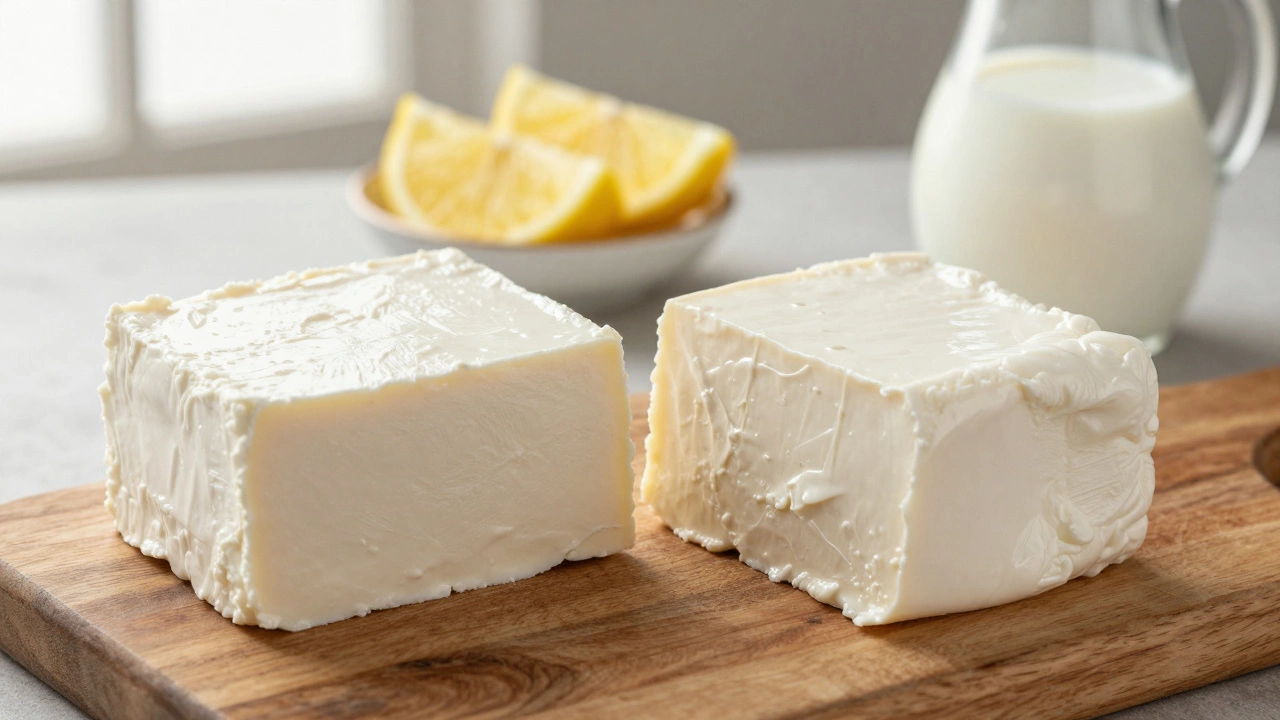
Paneer Selection Guide
What are you planning to make? Select your cooking goal below:
Grill, Fry or Sear
I need the cheese to hold its shape at high heat.
Rich Gravies & Desserts
I want a melt-in-the-mouth, buttery experience.
Health Conscious / Lighter Option
I'm monitoring calories and saturated fats.
Our Recommendation
If you've ever scrolled through an Indian grocery store or a recipe blog, you've probably noticed that not all blocks of white cheese are created equal. You see the standard brick of paneer and then you see "Malai Paneer," usually priced a bit higher and promising a creamier experience. It's easy to assume it's just a marketing trick, but the difference actually changes how your curry tastes and how your cheese behaves in the pan.
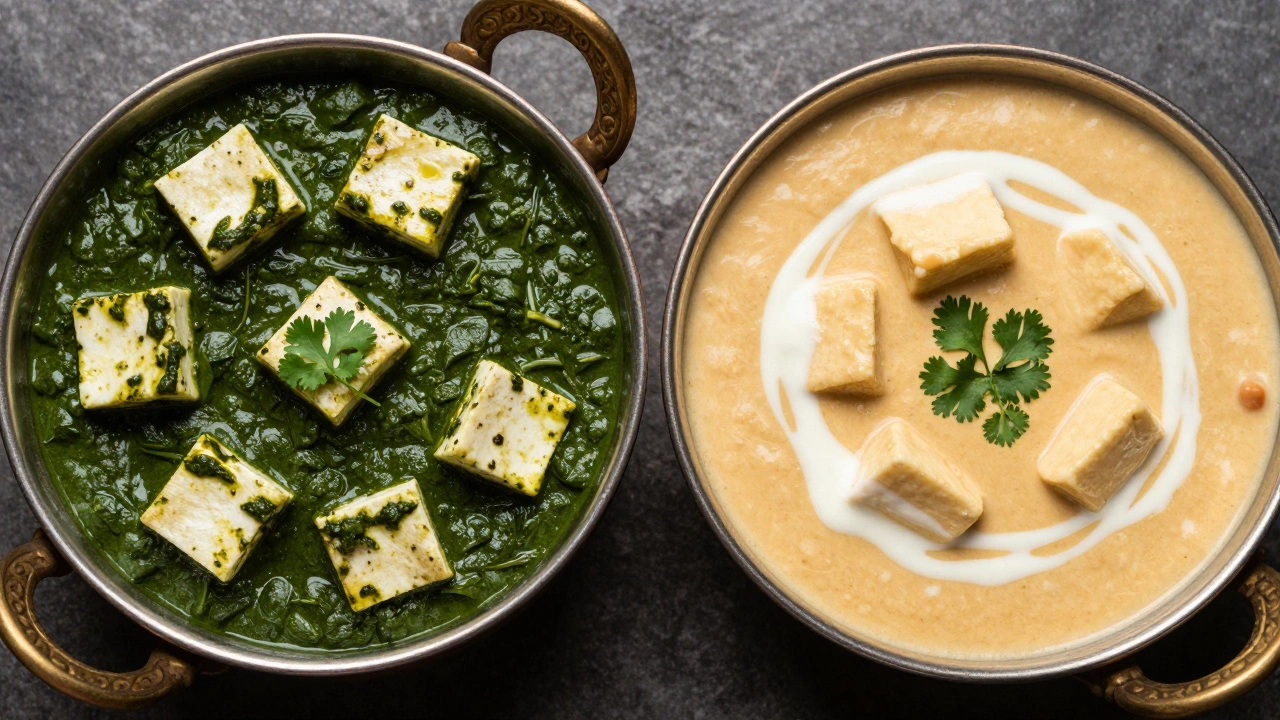
To get the basics straight, Paneer is a fresh, non-melting acid-set cheese common in South Asian cuisine. Unlike Mozzarella or Cheddar, it doesn't melt when you heat it, which is why it's the star of everything from grilled tikka to hearty palak paneer. It's essentially a concentrated block of milk protein and fat, pressed into a firm shape.
Then we have Malai Paneer. In Hindi, "Malai" means cream. This version is a richer variant of paneer made by adding heavy cream or using high-fat milk during the curdling process. It's designed to be softer, more buttery, and significantly more indulgent than the standard version.
The Core Differences at a Glance
The real magic happens in the fat content. Regular paneer can vary depending on whether you use whole milk or skimmed milk, but Malai paneer is a dedicated luxury version. Think of regular paneer as a reliable daily driver and Malai paneer as the luxury sports car of the dairy world.
| Feature | Regular Paneer | Malai Paneer |
|---|---|---|
| Texture | Firm and slightly crumbly | Soft, creamy, and buttery |
| Fat Content | Moderate (based on milk type) | Very high (due to added cream) |
| Flavor | Mild, milky, slightly acidic | Rich, sweet, and buttery |
| Best Use Case | Grilling, frying, stir-frying | Rich gravies, desserts, raw eating |
How they are actually made
Whether you're buying from a store or making paneer and malai paneer at home, the chemistry is the same: you're separating the solids (curds) from the liquids (whey). But the ingredients used in that process change everything.
For standard paneer, you boil Whole Milk and add an acid like lemon juice or vinegar. The milk separates, you strain it through a cloth, and press it under a heavy weight. The result is a clean, structural block that holds its shape even when you sear it in a hot pan with oil.
Malai paneer takes a different path. Producers often add Heavy Cream to the milk before the curdling process. This increases the total fat percentage. Because fat interferes with the tight bonding of protein molecules, the resulting cheese is less "tight" and more "pillowy." If you've ever had paneer that felt like it was melting in your mouth without actually being liquid, you were likely eating the Malai variety.
When to choose which one?
Using the wrong type of cheese won't ruin your dinner, but it will change the vibe of the dish. If you want a dish that feels light and fresh, stick to the regular stuff. If you're going for a restaurant-style indulgence, go for the Malai.
Go for Regular Paneer if you are:
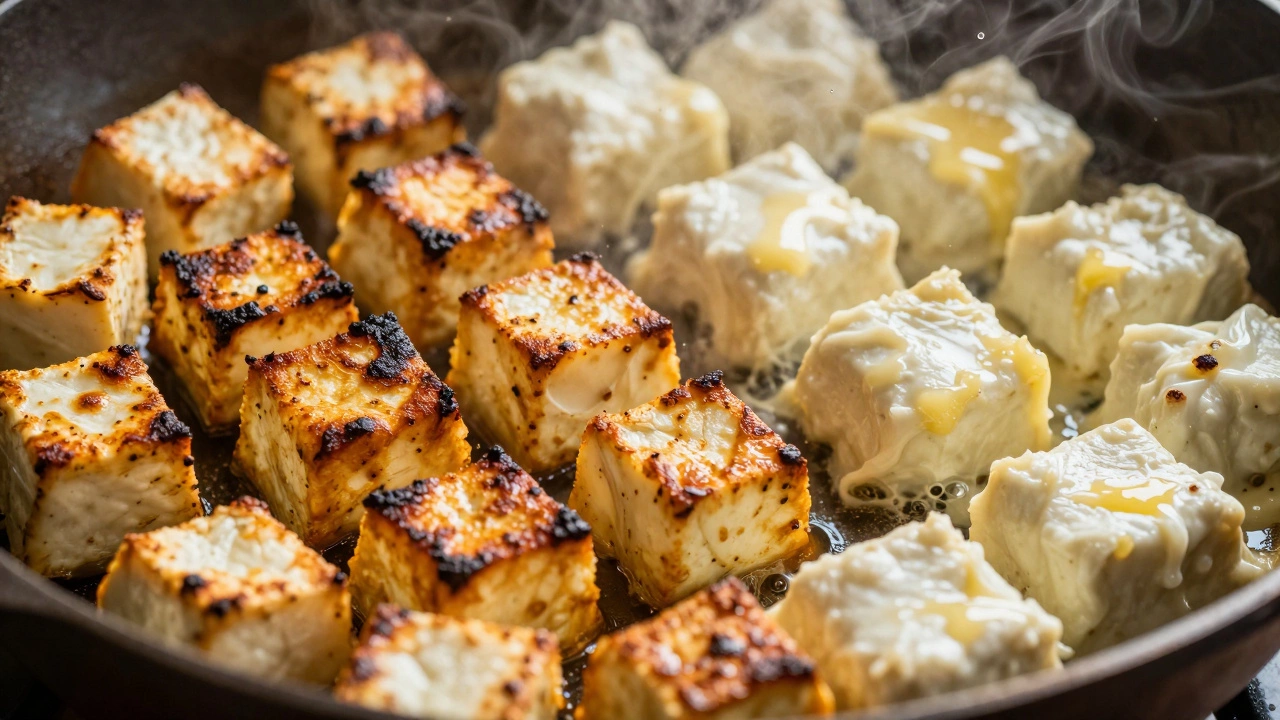
- Making Paneer Tikka: You need the cheese to withstand the high heat of a grill or tandoor. Regular paneer doesn't collapse, allowing you to get those beautiful charred edges.
- Doing a stir-fry: If you're tossing cubes in a wok with peppers and soy sauce, you want a firm cube that doesn't break apart.
- Watching calories: While still rich, standard paneer (especially if made from low-fat milk) is lighter than the cream-infused version.
Go for Malai Paneer if you are:
- Making Shahi Paneer: This dish is all about luxury. The buttery nature of Malai paneer blends seamlessly with cashew and cream-based sauces.
- Serving raw or lightly sautéed: Because it's so soft, it tastes great with just a pinch of salt and pepper, almost like a mild feta but creamier.
- Cooking for people who find regular paneer "rubbery": Some people struggle with the chewiness of store-bought blocks. Malai paneer solves this by providing a much softer bite.
Pro tips for the perfect texture
One of the biggest complaints people have with homemade paneer is that it ends up feeling like an eraser. This usually happens because the cheese was overcooked or pressed too hard. To avoid this, try soaking your paneer cubes in warm salted water for 10 minutes before adding them to your gravy. This rehydrates the proteins and makes the cheese tender.
If you're using Malai paneer, be careful with the frying. Because of the higher fat content, it can brown (and burn) much faster than regular paneer. Use a medium heat and don't over-sear it, or you'll lose that signature creamy interior.
Making it at home: A quick guide
You don't need fancy equipment to make these. A pot, a strainer, and a muslin cloth are enough. Here is how to handle both versions:
- For Standard: Heat 2 liters of full-fat milk. Once it reaches a boil, turn the heat to low and slowly stir in 2 tablespoons of lemon juice until the whey runs clear. Strain and press for 2 hours.
- For Malai: Use the same process, but stir in 1/2 cup of heavy cream after the milk has warmed up but before it boils. This integrates the extra fat into the curd. Press it for a shorter amount of time (about 1 hour) to keep it softer.
Is Malai paneer healthier than regular paneer?
Generally, no. Malai paneer has a significantly higher fat content because of the added cream. While it tastes richer, it contains more calories and saturated fats. If you are monitoring your lipid levels or calorie intake, regular paneer made from skimmed or toned milk is the better choice.
Can I substitute Malai paneer with regular paneer?
Yes, you can. However, since regular paneer is firmer, you might want to add a splash of cream or a dollop of butter to your sauce to mimic the richness of Malai paneer. Soaking the regular paneer in warm water first will also help bridge the texture gap.
Why does my homemade paneer feel rubbery?
Rubbery paneer usually happens for two reasons: you boiled the milk for too long after adding the acid, or you used too much lemon juice/vinegar. The acid tightens the proteins; too much of it makes the cheese tough. Aim for just enough acid to separate the curds.
How long does Malai paneer last in the fridge?
Because of the higher fat and moisture content, Malai paneer can sometimes spoil slightly faster than very firm, dry paneer. Keep it in an airtight container or submerged in water in the fridge. It typically stays fresh for 3 to 5 days.
Can I freeze paneer?
You can, but be warned: freezing changes the structure of the cheese. When you thaw it, the texture becomes more porous and spongy. This is actually great for absorbing gravies, but not ideal if you want a smooth, creamy slice of Malai paneer.
What to try next
Now that you know which cheese to pick, you might want to experiment with how to flavor them. If you've got a block of regular paneer, try making a spicy Paneer Tikka. If you've opted for the Malai version, a creamy Paneer Butter Masala is the perfect way to highlight that buttery texture. If you're feeling adventurous, try making a dessert like Rasmalai, where the softness of the cheese is the entire point of the dish.