Poultry Safety & Parasite Risk Calculator
Safety Assessment
Select the options that match your situation:
Analysis Results
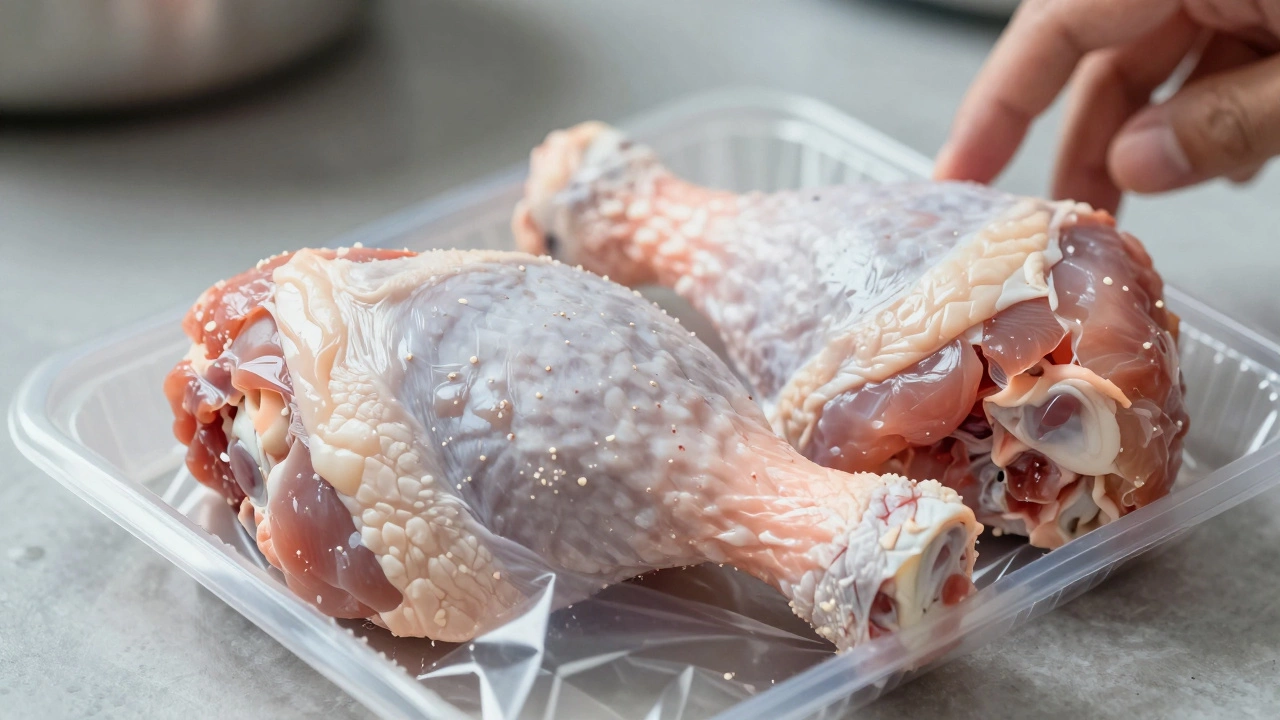
Have you ever pulled a piece of chicken from the package and felt a sudden wave of doubt? You stare at the meat, wondering if those tiny white specks are fat, connective tissue, or something far more unsettling. It’s a common kitchen panic, especially when preparing dishes like tandoori chicken where the meat is often cooked whole or in large pieces. The fear isn’t just about taste; it’s about safety. When people ask, "What are the parasites in chicken legs?" they are usually looking for reassurance that their dinner won’t make them sick. The truth is simpler than you might think, but it requires knowing exactly what to look for.
First, let’s clear up a major misconception. If you see small white dots on raw chicken, they are almost certainly not parasites. They are likely urates-crystals formed from waste products-or simply cross-sections of cartilage and fat. True parasites, such as worms or larvae, are rare in commercially raised chickens due to strict farming regulations and feed controls. However, they do exist. Understanding the difference between harmless anatomy and actual biological threats is the first step toward eating with confidence.
For those interested in exploring different culinary cultures or perhaps planning a trip where street food is a highlight, resources like this directory can offer insights into local lifestyles, though our focus here remains firmly on your kitchen counter and food safety standards.
Identifying the Culprits: What Actually Lives in Poultry?
When we talk about parasites in chicken, we aren’t talking about giant worms wiggling under the skin. That’s a horror movie trope, not reality. The most common parasitic threat in poultry is Coccidia, which are microscopic single-celled organisms that infect the intestinal lining. While Coccidia primarily affect the bird’s gut rather than its muscle meat (the legs), severe infections can lead to poor growth and secondary bacterial issues. You cannot see Coccidia with the naked eye, so visual inspection won’t help here. Diagnosis requires laboratory analysis of droppings.
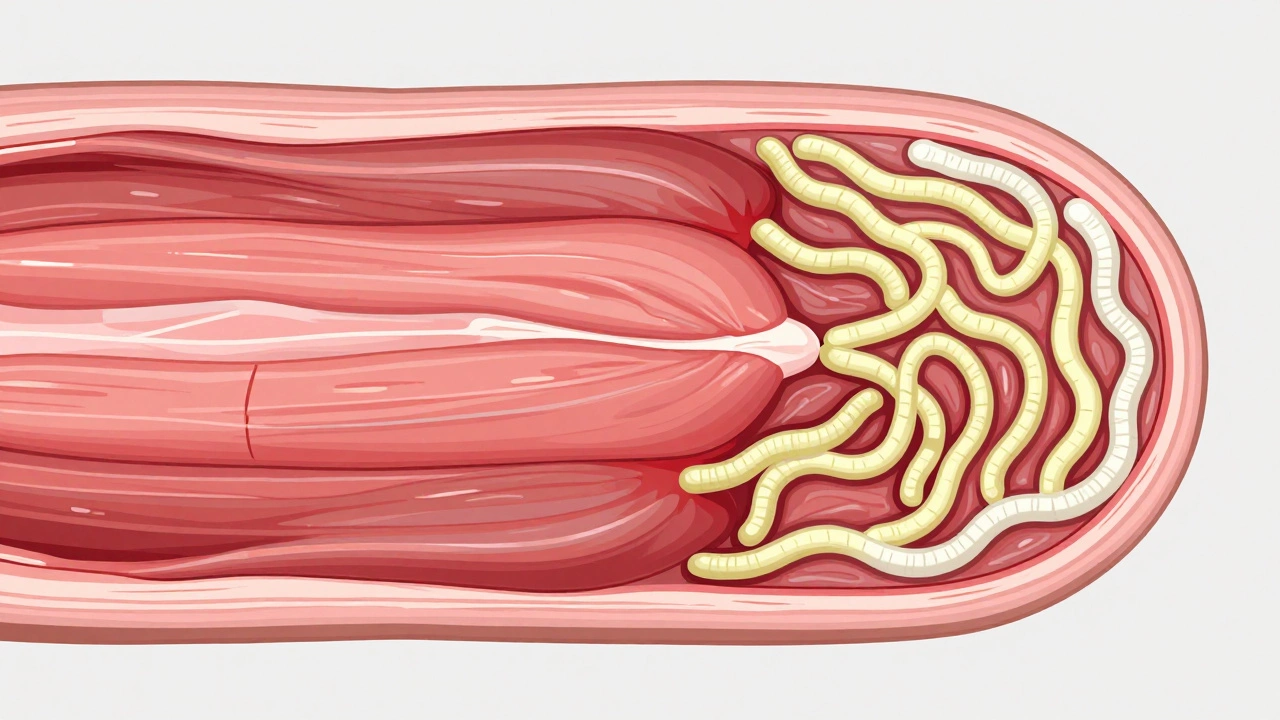
A more visible, though still uncommon, parasite is the Capillaria, a type of roundworm that can form cysts in the crop or intestines. In rare cases, these worms can migrate to other tissues. If a chicken has a heavy worm burden, you might find small, thread-like structures in the digestive tract during evisceration. These should be removed along with the giblets. Finding worms in the actual leg muscle is extremely unusual because worms typically inhabit organs, not skeletal muscle.
Another entity to consider is Mycoplasma, which causes chronic respiratory disease and synovitis in birds. While technically a bacterium, it acts somewhat like a parasite in how it invades joints. Mycoplasma infection can cause swelling in the hocks and legs, making the joints look puffy and red. This doesn’t mean there are "bugs" inside the meat, but it does indicate the bird was unhealthy. Meat from birds with swollen joints should be handled with extra care and cooked thoroughly.
Visual Inspection: Spotting Trouble Before Cooking
Your eyes are your best defense. Before you even turn on the stove, examine the chicken legs closely. Healthy chicken meat should have a consistent color-usually pinkish-red for fresh meat, sometimes slightly darker depending on the breed and diet. Look for these specific signs:
- Discoloration: Dark purple or black spots that don’t rub off could indicate bruising or blood clots. While not necessarily parasitic, they suggest rough handling or illness.
- Unusual Texture: If the meat feels slimy or sticky rather than moist, it’s likely spoiled by bacteria, not parasites. Bacterial spoilage happens much faster than parasitic infestation.
- Visible Worms: If you actually see worm-like structures, they will be distinct from muscle fibers. Muscle fibers run in parallel lines; worms are irregular, curled, or segmented. If you spot this, discard the meat immediately. Do not try to cut around it.
- Cysts: Small, white, grain-sized nodules embedded in the meat could be sarcocysts (from Sarcocystis protozoa). These are more common in wild game birds but can occasionally appear in domestic fowl. If you see multiple cysts, it’s safer to throw the chicken away.
Remember, commercial processing plants inspect every bird. If a carcass shows obvious signs of disease or parasitism, it is condemned and destroyed before it ever reaches the grocery store. The risk of buying infected chicken from a reputable supermarket is incredibly low.
The Role of Temperature: Killing What You Can’t See
Even if you suspect a minor issue, heat is your ultimate ally. Parasites, bacteria, and viruses are all vulnerable to high temperatures. The United States Department of Agriculture (USDA) recommends cooking all poultry to an internal temperature of 165°F (74°C). At this temperature, proteins denature, and cellular structures collapse, killing any living organism present.
Using a digital meat thermometer is non-negotiable for safety. Insert the probe into the thickest part of the thigh, avoiding the bone. Bone conducts heat differently and can give false readings. Once the thermometer reads 165°F, hold it there for at least 15 seconds. This ensures that even if microscopic parasites were present, they are now neutralized.
Freezing is another effective method. Freezing chicken at 0°F (-18°C) for at least four days can kill many types of parasites, including tapeworms and roundworms. However, freezing does not destroy bacterial spores or toxins, so it’s not a substitute for proper cooking. It’s a useful backup strategy if you’re storing wild-caught game birds, which carry a higher risk profile than farm-raised poultry.
Prevention: Sourcing Safe Chicken
The best way to avoid parasites is to buy from trusted sources. Here’s a quick checklist for selecting safe chicken legs:
- Check Packaging Dates: Buy chicken that will be used within the "use-by" date. Freshness reduces the window for bacterial growth.
- Look for Certifications: Labels like "USDA Organic" or "Animal Welfare Approved" often imply stricter health monitoring, though they don’t guarantee zero parasites.
- Buy Whole Birds When Possible: Processing whole birds allows inspectors to see the entire carcass, including internal organs. Pre-cut legs have less context, making hidden issues harder to spot.
- Support Local Farms: If you buy from a local farmer, ask about their health practices. Do they vaccinate against coccidiosis? Do they rotate pastures to prevent worm buildup? Knowledgeable farmers take pride in healthy flocks.
Avoid buying chicken from unregulated markets where hygiene standards may be lax. In some regions, live birds are slaughtered on-site without proper veterinary oversight. While this can ensure freshness, it increases the risk of cross-contamination and undetected diseases.
Hygiene Practices: Protecting Your Kitchen
Handling raw chicken requires discipline. Even if the chicken is parasite-free, it can carry Salmonella or Campylobacter, which are far more common than parasites. Follow these steps to keep your kitchen safe:
- Separate Cutting Boards: Use one board exclusively for raw meat and another for vegetables or ready-to-eat foods. Never swap them.
- Wash Hands Thoroughly: Scrub with soap and warm water for at least 20 seconds after touching raw chicken. Don’t forget your wrists and under your nails.
- Sanitize Surfaces: After preparing chicken, wipe down countertops, sinks, and utensils with a disinfectant cleaner. Hot, soapy water works well, but a bleach solution is more effective against tough pathogens.
- Don’t Rinse Chicken: Many people rinse chicken under the tap to "clean" it. This spreads bacteria via aerosolized water droplets onto nearby surfaces. Skip this step; cooking kills the germs.
These habits protect you not just from parasites, but from the everyday bacteria that cause most foodborne illnesses. Consistency is key. Make these practices automatic, and you’ll never have to worry again.
Special Considerations for Tandoori Chicken
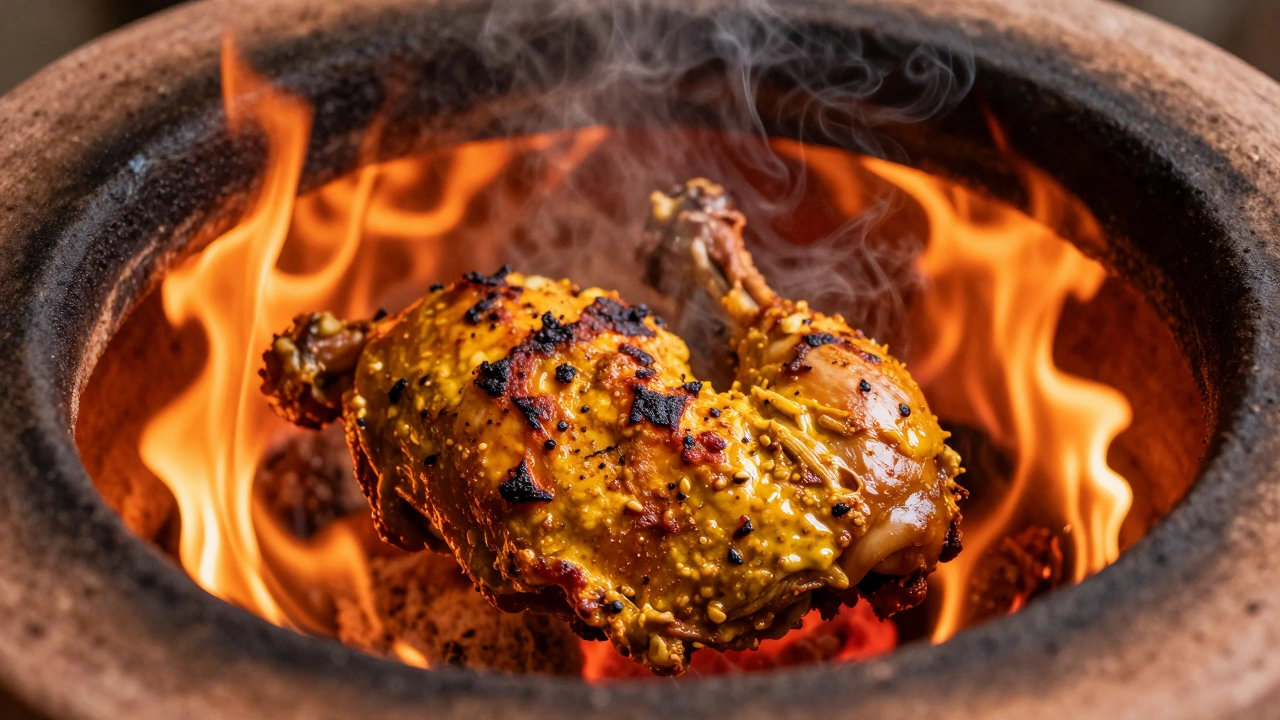
Tandoori chicken is beloved for its smoky flavor and tender texture. Traditionally, it’s cooked in a clay oven called a tandoor, which reaches extremely high temperatures. This method is excellent for killing pathogens because the intense heat penetrates deep into the meat. However, home cooks often replicate this in conventional ovens or grills, which may not reach the same intensity.
If you’re making tandoori chicken at home, marinate the legs in yogurt and spices for several hours. The acidity in yogurt helps break down proteins, making the meat more tender, but it doesn’t kill parasites. Ensure the marinade covers the meat completely to promote even cooking. When roasting, place the chicken near the top rack to mimic the radiant heat of a tandoor. Check the internal temperature frequently, especially if using bone-in legs, as bones can insulate the center.
Serving tandoori chicken with raw salads or chutneys introduces another variable. Cross-contamination can occur if you use the same plate or utensils for raw and cooked food. Always serve cooked chicken on clean plates and use fresh garnishes. This simple step prevents any potential contaminants from migrating back onto your meal.
Can you see parasites in raw chicken with the naked eye?
In most cases, no. Most parasites like Coccidia are microscopic. Visible worms or cysts are rare and usually indicate severe neglect in farming practices. If you see anything worm-like, discard the meat immediately.
Are white spots on chicken legs parasites?
No, white spots are typically urates (waste crystals) or cross-sections of cartilage and fat. They are harmless and will cook out or become unnoticeable during preparation.
Does cooking chicken kill all parasites?
Yes, cooking chicken to an internal temperature of 165°F (74°C) kills all known parasites, bacteria, and viruses. Using a meat thermometer is the only reliable way to ensure this temperature is reached.
Is wild-caught chicken more likely to have parasites?
Yes, wild birds have higher exposure to environmental parasites and predators. Always cook wild game thoroughly and consider freezing it for several days before cooking to reduce risk further.
Should I rinse chicken before cooking?
No, rinsing chicken spreads bacteria through water splashes. It does not remove parasites or significantly improve cleanliness. Cooking is the only effective sanitation method.