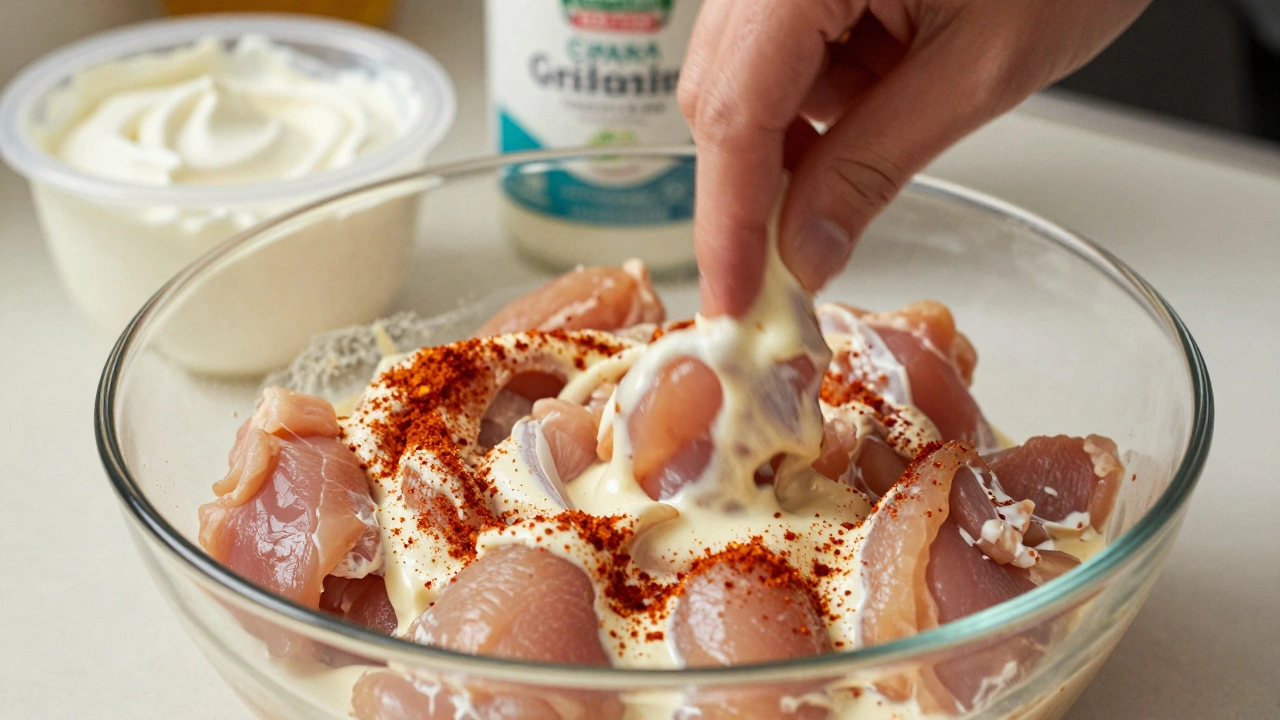
Tandoori Marinade Swap Calculator: Sour Cream vs. Greek Yogurt
Planning to use sour cream instead of Greek yogurt for your tandoori chicken? This tool calculates the necessary adjustments to acidity, marination time, and cooking heat to ensure tender, flavorful results without burning.
Recommended Adjustments
Based on the chemistry of tenderizing and browning rates described in the article.
There is a specific panic that hits when you are halfway through making Tandoori Chicken, a classic Indian dish featuring marinated and grilled chicken, realize you have run out of Greek Yogurt, a thick, strained yogurt popular in Mediterranean and Middle Eastern cuisines, and stare at the tub of Sour Cream, a dairy product made by fermenting cream with lactic acid bacteria in your fridge. Can you just swap them? The short answer is yes. The long answer involves understanding why that swap changes the texture, flavor, and chemistry of your dinner.
We often treat dairy bases as interchangeable because they look similar-white, creamy, and tangy. But in the world of high-heat grilling, especially for dishes like tandoori chicken where the marinade acts as both tenderizer and protective coating, these two ingredients behave very differently. If you make this switch blindly, you might end up with dry meat or a burnt spice crust. Let’s break down exactly what happens when you use sour cream instead of Greek yogurt, how to fix the potential pitfalls, and whether it’s actually worth the risk.
The Chemistry of Tenderizing: Why Yogurt Works
To understand if sour cream works, we first need to know why Greek yogurt is the gold standard for Chicken Marination, the process of soaking meat in a seasoned liquid to add flavor and tenderness. It comes down to two things: acidity and protein structure.
Greek yogurt has a pH level usually between 4.0 and 4.6. This mild acidity helps break down the tough collagen fibers in chicken muscle without completely dissolving them. Think of it as a gentle chemical tenderizer. When you rub this acidic base into the meat along with spices like Ginger-Garlic Paste, a blend of fresh ginger and garlic used extensively in Indian cooking, the enzymes and acids penetrate deep into the flesh.
Sour cream also has acidity, typically ranging from pH 4.5 to 5.0. It is slightly less acidic than most Greek yogurts, but still acidic enough to tenderize. However, sour cream contains significantly more fat-usually around 20% compared to the 0-10% found in non-fat or low-fat Greek yogurt. This fat content creates a barrier. While fat carries flavor beautifully, it can sometimes slow down the penetration of those tenderizing acids and spices. You get great surface flavor, but potentially less internal tenderness.
Texture and Consistency: The Clumping Problem
If you’ve ever tried to grill with plain American yogurt, you know the mess it makes. It runs off the meat, drips into the coals, and causes flare-ups. That is why we use Greek yogurt-it is thick and clings to the chicken.
Sour cream is naturally thicker than regular yogurt, often even thicker than some brands of Greek yogurt. On paper, this sounds perfect. In practice, however, sour cream behaves differently under heat. Because of its higher fat content and different emulsion stability, sour cream can separate or curdle faster when exposed to direct flame.
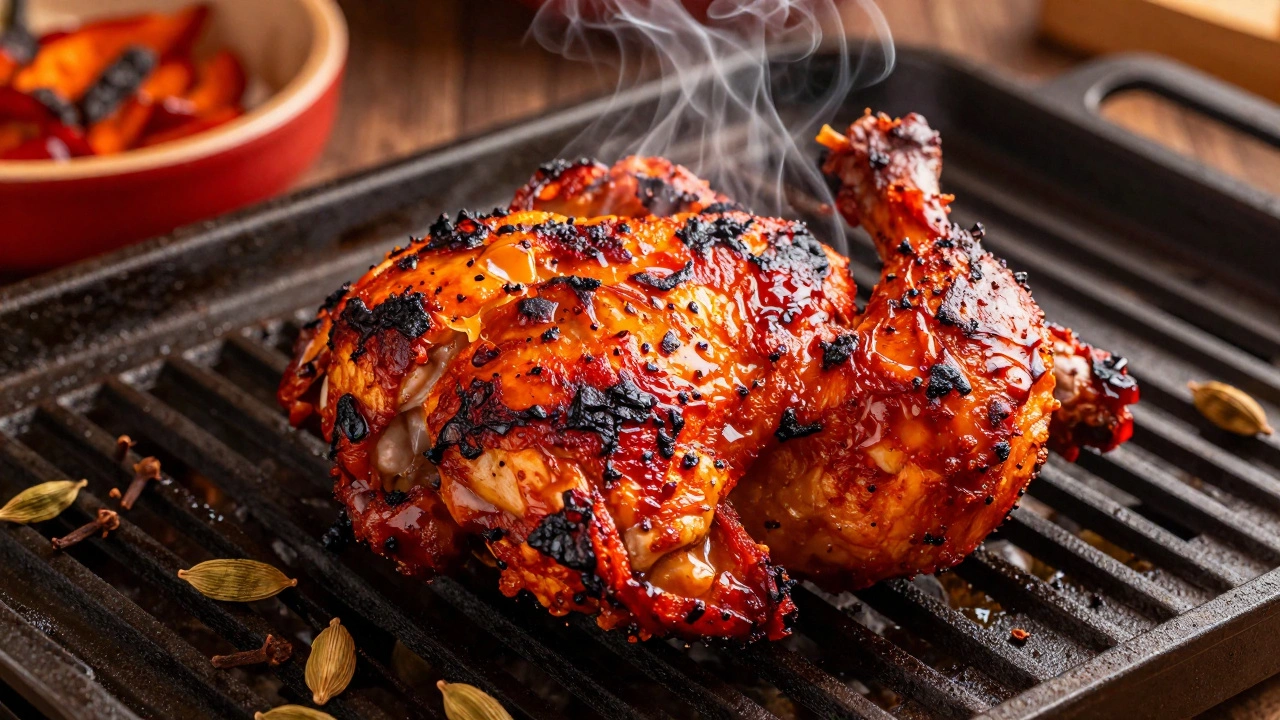
When you put a piece of chicken coated in sour cream onto a hot grill or into a broiler, the water content evaporates quickly. What’s left is the fat and the proteins. Sour cream tends to brown much faster than yogurt. This is a double-edged sword. You get a beautiful, charred crust (which is essential for authentic tandoori flavor), but you also risk burning the spices before the chicken inside is fully cooked. The sugars in the onions or any added honey in your marinade will caramelize rapidly against that fatty backdrop.
Flavor Profile: Tang vs. Richness
Let’s talk taste. Greek yogurt has a sharp, clean tang. It provides a bright counterpoint to the heavy, warm spices like Kashmiri Chili Powder, a mildly hot red chili powder known for its vibrant color and Garam Masala, a blend of ground spices including cardamom, cinnamon, and cloves.
Sour cream is richer, creamier, and less tangy. It has a distinct fermented flavor that is deeper and more savory. If you swap it directly, your tandoori chicken will taste less "bright" and more "rich." For many palates, this is actually an upgrade. The richness complements the smoky char of the grill. However, it lacks that signature zesty kick that cuts through the heaviness of the meal. To compensate, you will likely need to adjust your seasoning.
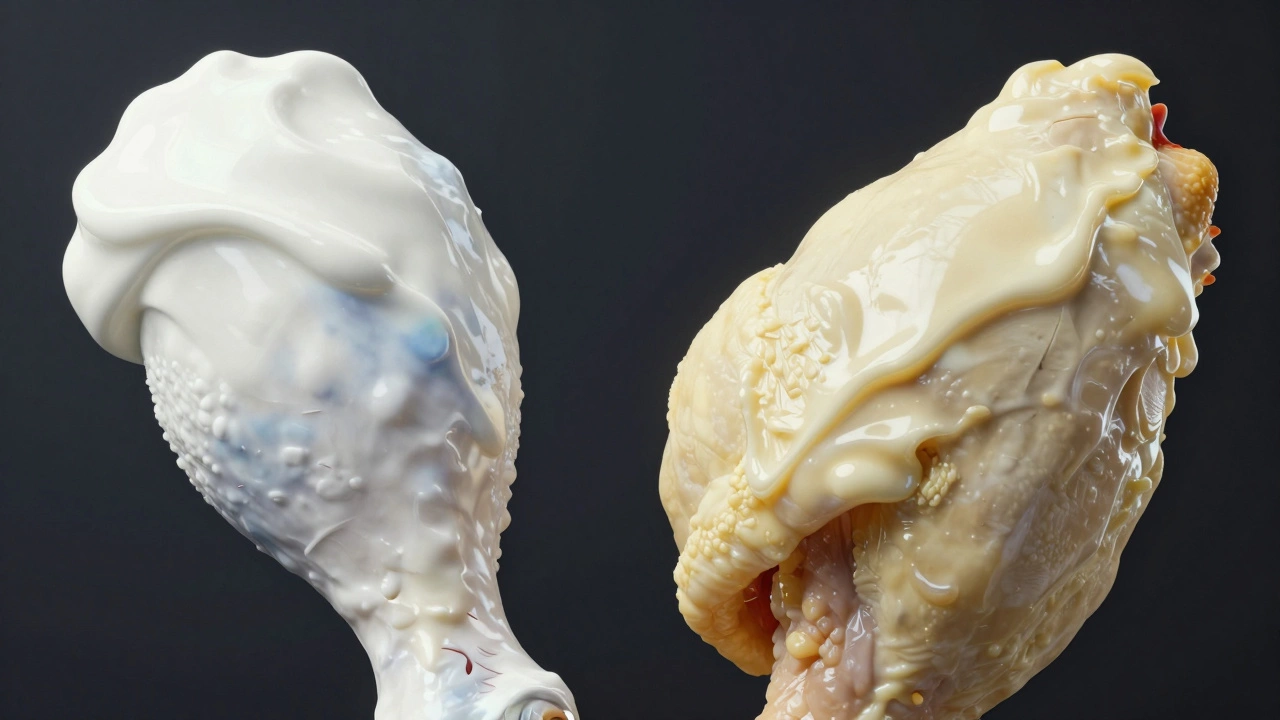
| Attribute | Greek Yogurt | Sour Cream |
|---|---|---|
| Fat Content | Low (0-10%) | High (20-25%) |
| Acidity (pH) | Higher (More Tangy) | Lower (Milder) |
| Tenderizing Power | Strong (Penetrates Deep) | Moderate (Surface Focus) |
| Browning Rate | Moderate | Fast (Risk of Burning) |
| Consistency | Thick, Sticky | Creamy, Spreadable |
How to Make the Swap Successfully
If you are committed to using sour cream, you cannot just do a 1:1 swap and expect identical results. You need to engineer the marinade to account for the differences. Here is how to do it right.
- Add Acid: Since sour cream is less tangy, boost the acidity. Add an extra tablespoon of lemon juice or vinegar to your marinade. This restores the tenderizing power and brings back that bright flavor profile expected in tandoori chicken.
- Dilute Slightly: Full-fat sour cream is very rich. Consider mixing it with a splash of milk or water to thin it out slightly. This helps the marinade penetrate the meat rather than just sitting on top as a thick paste.
- Watch the Heat: Because sour cream burns faster, lower your cooking temperature slightly. If you are broiling, move the rack further from the heating element. If you are grilling, keep the chicken over indirect heat for longer, only searing it over direct heat at the very end.
- Marinate Longer: Since the fat barrier slows down penetration, give the chicken more time. A minimum of 4 hours is recommended, but overnight is best. This allows the acids and spices to work their way past the fat layer and into the muscle fibers.
Best Use Cases for Sour Cream Marinades
While Greek yogurt is the traditional choice for tandoori chicken, sour cream shines in other scenarios. It is excellent for darker meats like lamb or beef ribs, where the higher fat content helps baste the meat during cooking. It also works wonders for vegetables that need a creamy glaze, such as roasted cauliflower or eggplant.
If you are making a fusion dish-say, a Korean-Indian style chicken wing with gochujang and yogurt-the sour cream’s richness pairs incredibly well with spicy, sweet sauces. It adds a luxurious mouthfeel that light yogurt cannot match. So, while it might not be the *traditional* choice for tandoori chicken, it is a valid and delicious alternative if you manage the heat and acidity correctly.
Troubleshooting Common Issues
Even with adjustments, things can go wrong. Here is how to fix them.
- The coating fell off: This usually means the chicken was too wet before marinating. Pat the chicken dry thoroughly before applying the sour cream mixture. Also, ensure the skin is scored lightly to help the marinade adhere.
- The spices burned but the chicken is raw: You cooked it too fast. Next time, start with indirect heat. Let the chicken cook through gently, then finish with a quick blast of high heat to char the exterior.
- The flavor is too bland: Sour cream mutes spices. Increase your salt and spice quantities by about 20%. Taste the marinade itself before applying it; it should taste strong enough to eat a spoonful of (if you dare).
Conclusion: Is It Worth It?
Can you use sour cream instead of Greek yogurt? Absolutely. Will it taste exactly the same? No. It will be richer, slightly less tender, and prone to faster browning. But for many home cooks, especially those who prefer a decadent, creamy texture, the sour cream version is a delightful variation. It turns a standard weeknight dinner into something more indulgent. Just remember to add that extra squeeze of lemon, watch the flame closely, and let it marinate longer. Your chicken will thank you.
Can I use regular yogurt instead of Greek yogurt for tandoori chicken?
Yes, but you must strain it first. Regular yogurt has too much whey (liquid) which will drip off the chicken and cause flare-ups on the grill. Strain it through a cheesecloth for a few hours to remove excess moisture, and it will behave similarly to Greek yogurt.
Does sour cream make chicken tougher?
Not necessarily tougher, but potentially less tenderized internally. The high fat content in sour cream can create a barrier that prevents acids from penetrating deeply into the meat. To counteract this, marinate for a longer period (overnight) and add extra lemon juice to boost acidity.
Why does my tandoori chicken burn so quickly?
Yogurt-based marinades contain lactose (milk sugar) which caramelizes and burns at high temperatures. Sour cream has even more fat, which accelerates this process. Cook over medium-high heat rather than high, and use indirect heat for most of the cooking time, reserving direct heat only for the final charring.
What is the best substitute for Greek yogurt if I am lactose intolerant?
Coconut yogurt is the best plant-based alternative. It has a similar thickness and natural sweetness that pairs well with spices. Ensure you choose an unsweetened variety. Another option is blended silken tofu mixed with lemon juice, which provides a neutral, creamy base that absorbs flavors well.
How long should I marinate chicken in sour cream?
Minimum 4 hours, but ideally 8-12 hours (overnight). Because sour cream is less acidic and fattier than Greek yogurt, it takes longer for the flavors and tenderizing agents to penetrate the meat effectively. Shorter marination times may result in flavorful but tough meat.