Anti-Inflammatory Foods: What Works and What to Eat in Indian Kitchens
When you hear anti-inflammatory foods, foods that help reduce swelling and pain in the body by calming the immune system. Also known as healing foods, they don’t need fancy labels—just real ingredients you already have in your kitchen. In India, this isn’t new. For centuries, we’ve used turmeric in milk, ginger in tea, and lentils in daily meals—not because they’re trendy, but because they work.
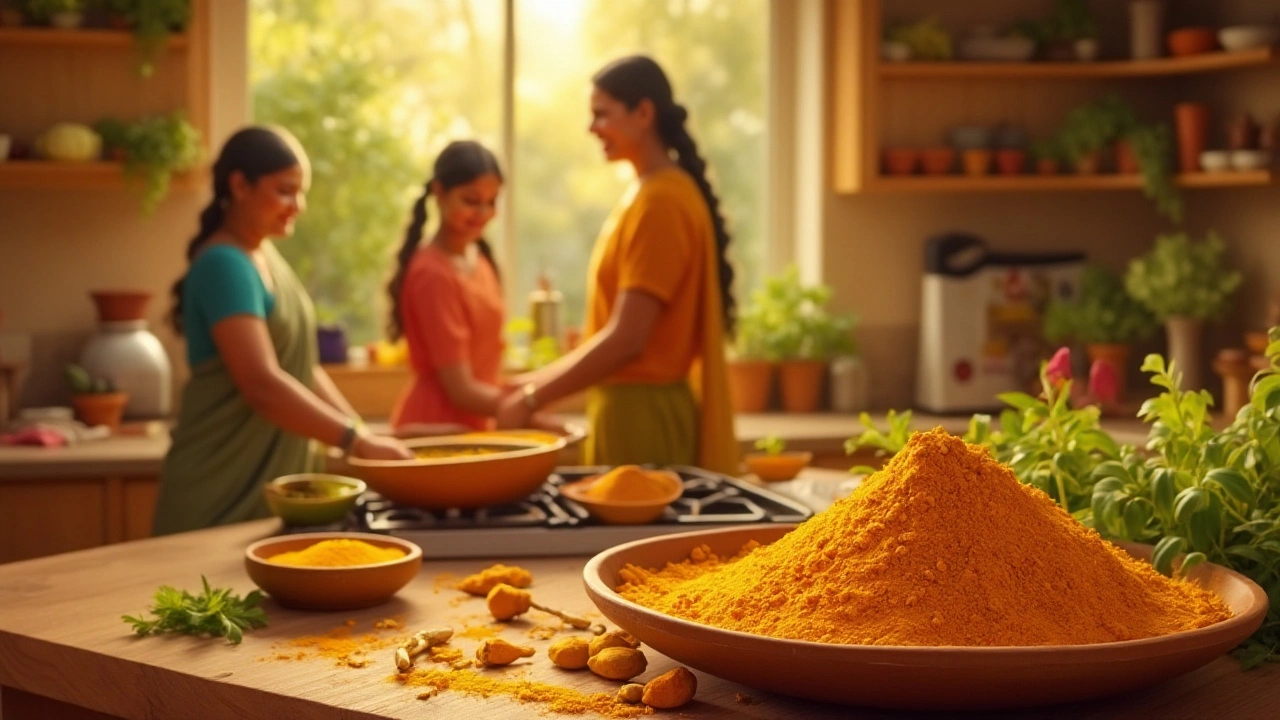
Take turmeric, a golden spice with curcumin, one of the most studied natural anti-inflammatories. It’s not just for coloring rice. Studies show it can ease joint pain as effectively as some over-the-counter pills—without the side effects. Then there’s ginger, a root that’s been used in Ayurveda for digestion and inflammation. Grate it into dal, brew it with tea, or chew a small piece with salt—your body will notice. And don’t overlook lentils, a protein-rich, fiber-packed staple that supports gut health and reduces systemic inflammation. When you cook moong or masoor dal right, you’re not just feeding yourself—you’re healing from the inside.
These foods don’t work alone. They team up. Turmeric needs black pepper to activate. Ginger works better with honey. Lentils digest easier when soaked. That’s the secret: it’s not about one superfood. It’s about how you combine them. You won’t find magic pills in this list—just real meals. The kind your grandmother made without knowing the word "inflammation."
What you’ll find below are real recipes and practical tips from Indian kitchens that cut through the noise. No detoxes. No juice cleanses. Just how to use everyday ingredients to feel lighter, move easier, and sleep better. Whether you’re dealing with stiff joints, bloating after meals, or just want to eat smarter, these posts show you exactly what to cook—and what to skip.