Basmati Rice: The Secret to Perfect Indian Rice Dishes
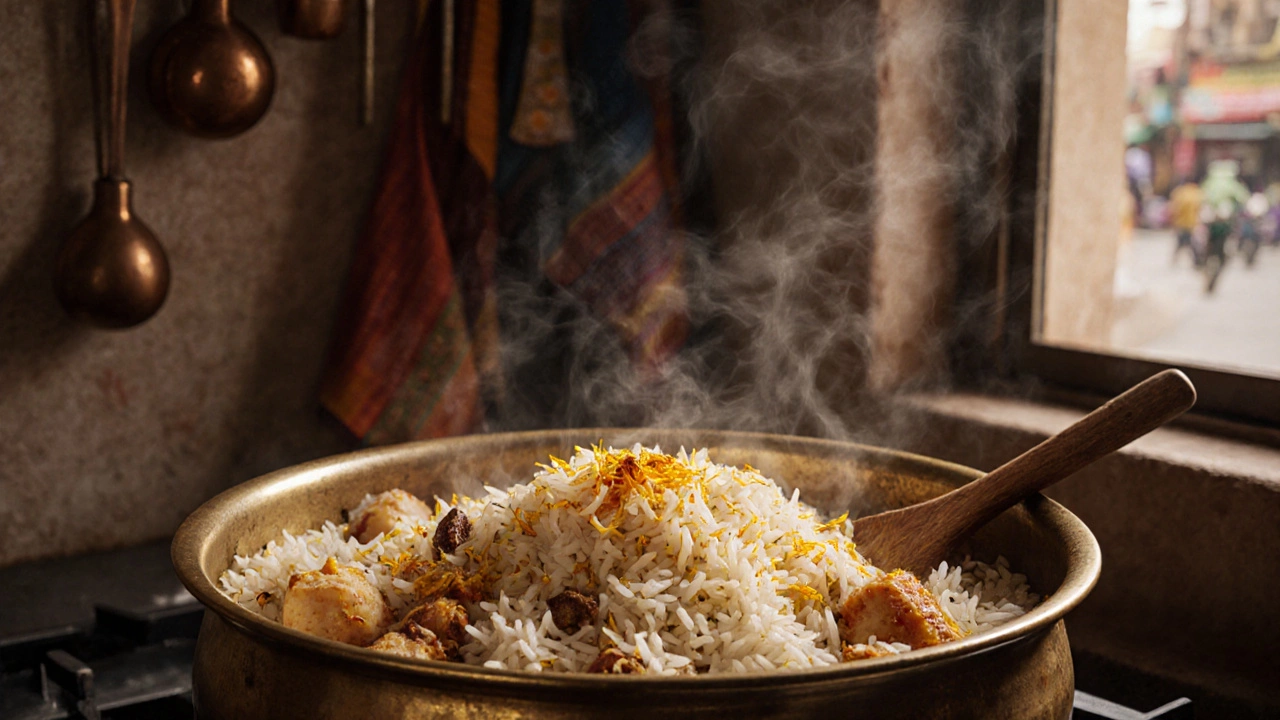
When you think of Indian rice, you’re probably thinking of basmati rice, a long-grain aromatic rice native to the Indian subcontinent, known for its light texture and distinctive fragrance. Also known as traditional Indian rice, it’s the only rice you should use for biryani, pulao, or any dish where flavor and fluffiness matter. Unlike regular white rice, basmati doesn’t clump. It stretches when cooked, stays separate, and smells like popcorn and toasted nuts. That’s not magic—it’s genetics. Basmati grows in the foothills of the Himalayas, where the soil, water, and climate give it a unique aroma compound called 2-acetyl-1-pyrroline. That’s why even a small amount can transform a whole pot of food.
Not all basmati is the same. You’ll see labels like aged basmati, premium basmati, or brown basmati. Aged basmati (1-2 years old) is the gold standard—it’s drier, cooks faster, and has a deeper aroma. Brown basmati is healthier but takes longer to cook and lacks the same fluffiness. If you’re making biryani, you need aged basmati. For everyday meals, regular aged basmati works fine. Store it in an airtight container away from heat and light. Don’t rinse it too hard—you’ll wash away the natural oils that give it flavor. A quick rinse to remove dust is enough. The right rice makes all the difference. You can use any other rice for curry, but only basmati gives you that restaurant-style lift and fragrance.
Basmati rice isn’t just a side. It’s the foundation of India’s most loved meals. It’s what holds together layered biryanis, soaks up spicy gravies in pulao, and pairs perfectly with dal and yogurt. It’s the rice used in festive dishes across North India, from Delhi to Lucknow. If you’ve ever had a biryani that smelled incredible and tasted like each grain was separate and perfect—that’s basmati at its best. The posts below cover everything you need to know: how to cook it right, why it’s essential for biryani, how to tell real basmati from fake, and what to do if you accidentally bought the wrong kind. You’ll also find tips on soaking, water ratios, and how to avoid mushy rice. No fluff. Just real, practical advice to get you cooking like a pro.