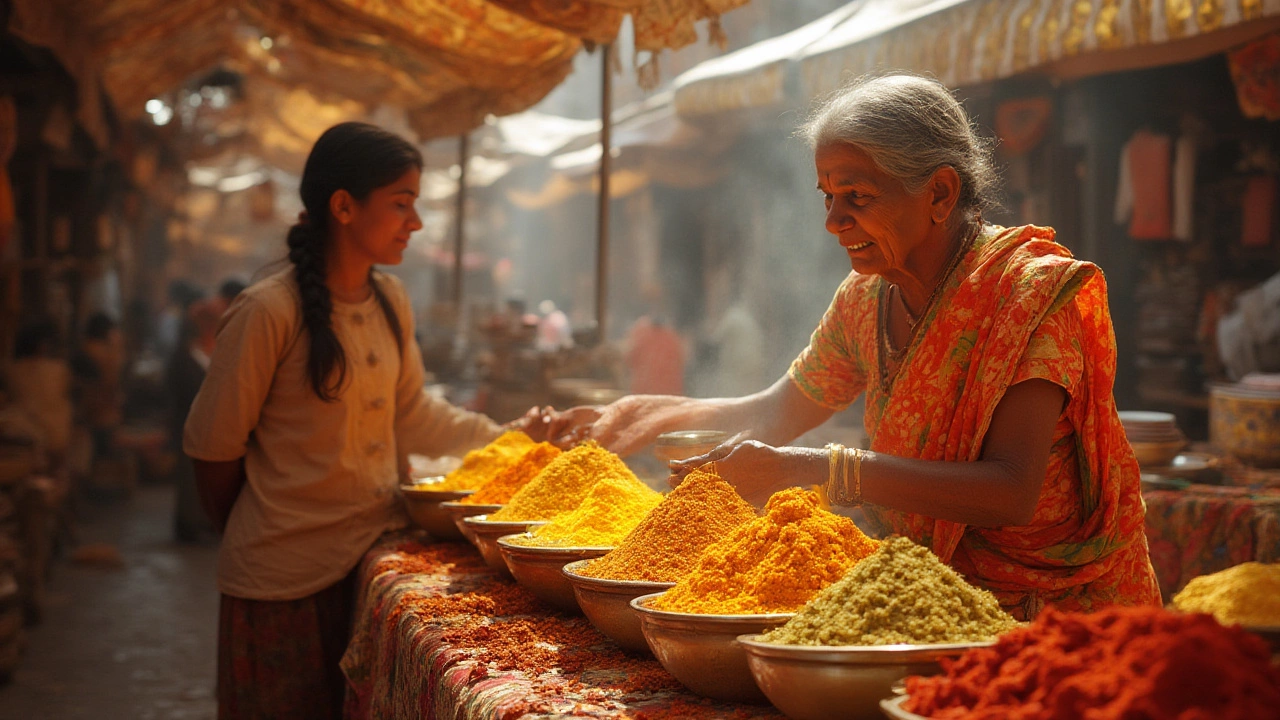
Best Spices for Curry: Essential Flavors and How to Use Them
When you think of best spices for curry, a core set of aromatic ingredients that define Indian cooking. Also known as curry spices, it's not one single blend—it's a carefully layered combination that changes by region, family, and even the day of the week. The magic isn’t in buying a pre-mixed powder from the shelf. It’s in understanding how whole cumin seeds crackle in hot oil, how turmeric stains your fingers yellow but turns a pot into gold, and why coriander powder tastes nothing like the fresh leaves you buy at the grocery store.
The curry spices, the foundational flavor builders used in Indian kitchens. Also known as Indian spices, it’s not just about heat—it’s about balance. cumin, a warm, earthy seed that forms the backbone of most curries. Also known as jeera, it’s the first thing you toast. Then comes turmeric, the bright yellow root that gives color and anti-inflammatory power. Also known as haldi, it’s not optional—it’s the soul of the dish. coriander powder, ground from dried seeds, adds citrusy depth and rounds out the sharper notes. Also known as dhania, it’s what makes your curry taste finished, not just spiced. You’ll also find fenugreek, a slightly bitter, maple-like seed used sparingly to add complexity. Also known as methi, it’s the secret behind restaurant-style depth. And then there’s mustard seeds, tiny, pungent orbs that pop in oil and release a nutty, sharp aroma. Also known as rai, they’re the surprise kick in South Indian curries. These aren’t just ingredients—they’re the language of Indian cooking.
What most people miss is timing. Adding spices at the start, middle, or end changes everything. Toasting whole spices before grinding? That’s the difference between flat and fiery. Adding garam masala at the end? That’s how you lock in freshness. Store-bought curry powder often skips the roasting step, uses stale powders, or mixes too many things at once. Real flavor comes from buying whole spices, grinding them fresh, and learning when to add each one. You don’t need 20 spices to make a great curry. You need five that you know inside out.
The posts below show you exactly how these spices work in real recipes—from chicken curry that sticks to your spoon, to lentil dishes that taste like they’ve been simmering all day. You’ll learn why browning chicken before adding spices makes a difference, how to fix bland curry, and which spice combinations work best for different meats and veggies. No fluff. Just the spice truths that make your food taste like it came from a home kitchen in India.