Biryani Rice: The Best Types, How to Pick It, and Why It Makes All the Difference
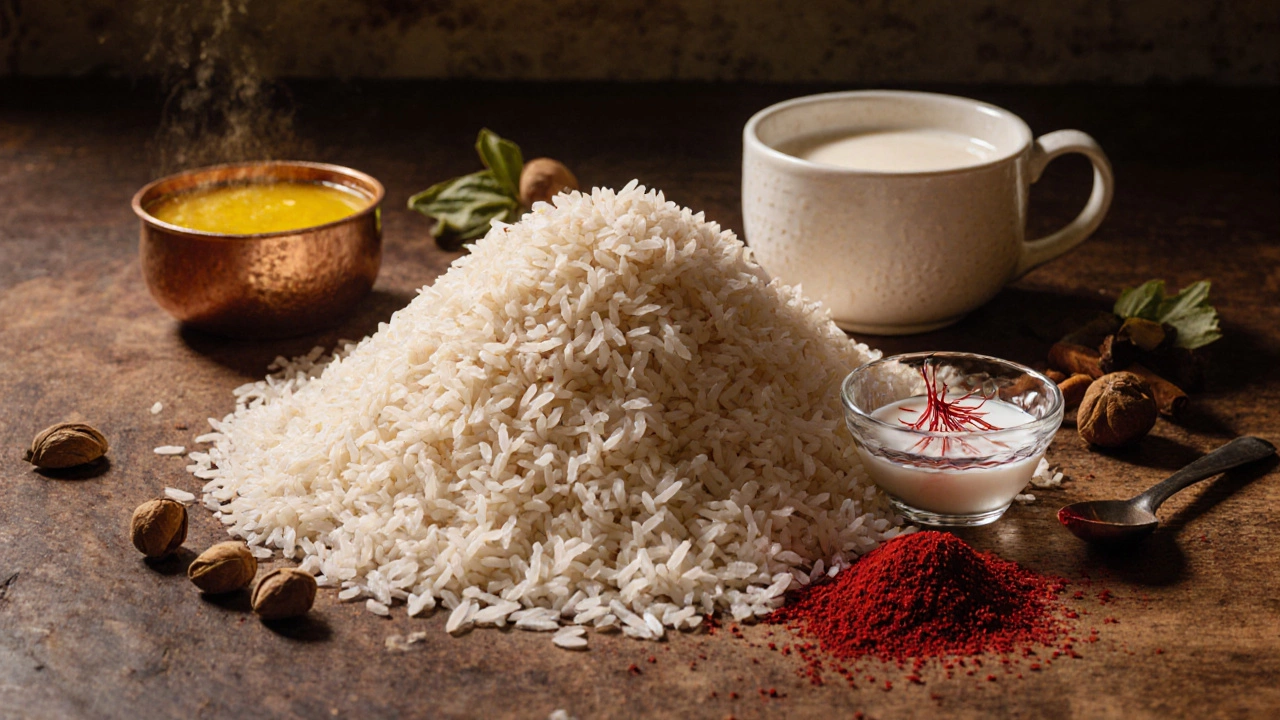
When you think of biryani rice, a long-grain, aromatic rice variety essential for authentic Indian biryani dishes. Also known as basmati rice, it's the backbone of every layered, fragrant biryani that makes your kitchen smell like a street vendor in Lucknow or Hyderabad. This isn’t just any rice you grab off the shelf—it’s the one that stays separate, doesn’t turn mushy, and carries spice like a sponge soaking up flavor. If your biryani tastes flat or the grains stick together, the problem isn’t your spices—it’s your rice.
Not all long-grain rice is biryani rice. basmati rice, a specific variety grown in the foothills of the Himalayas, known for its nutty aroma and elongated grains that expand dramatically when cooked is the gold standard. But even within basmati, there are grades. aged basmati, stored for 1-2 years, releases more aroma and cooks fluffier than fresh. Then there’s aromatic rice, a broader category that includes basmati and similar varieties like Joha or Jeerakasala, prized for their natural fragrance without added flavors. You’ll find these in the posts below—how to spot real aged basmati, why soaking matters, and how water ratios change based on the rice type.
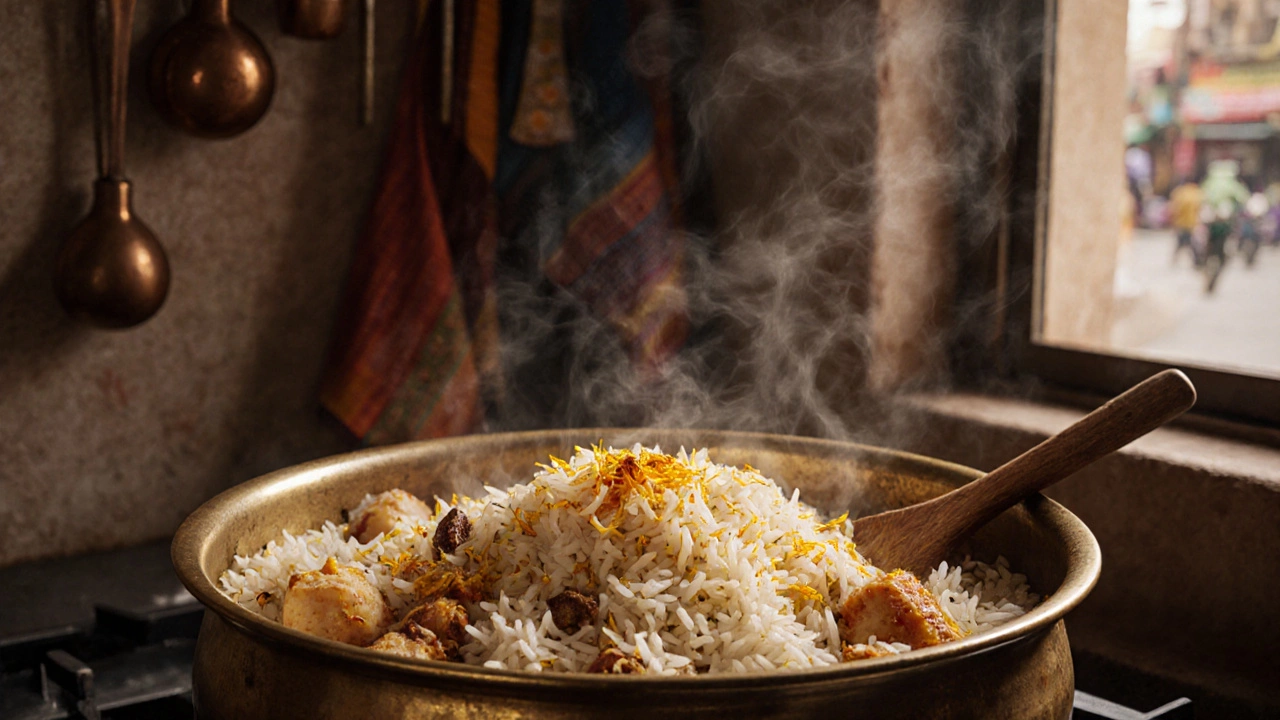
What makes biryani rice different from the rice you use for plain dal or fried rice? It’s the grain length, the starch content, and how it responds to steam. Biryani rice needs to hold its shape under pressure—when you layer it with meat, spices, and saffron milk, then seal the pot with dough, it has to survive hours of slow steam without turning to paste. That’s why rinsing it until the water runs clear isn’t optional—it removes excess starch that would glue everything together. And don’t skip the soak. Even 30 minutes makes grains cook more evenly, so the bottom layer doesn’t burn while the top stays hard.
You’ll see posts here that dig into how to test if your rice is good enough—like the finger test for grain length, or how to tell real basmati from fake by its smell after cooking. Some posts even compare store-bought versus imported rice, and why a $5 bag from the Indian grocery often beats a $10 ‘premium’ brand at the supermarket. There’s no magic trick, just science: the right rice + proper prep = unforgettable biryani. And if you’ve ever wondered why your biryani doesn’t taste like the one at your aunt’s house, it’s probably because she uses rice you didn’t even know existed.