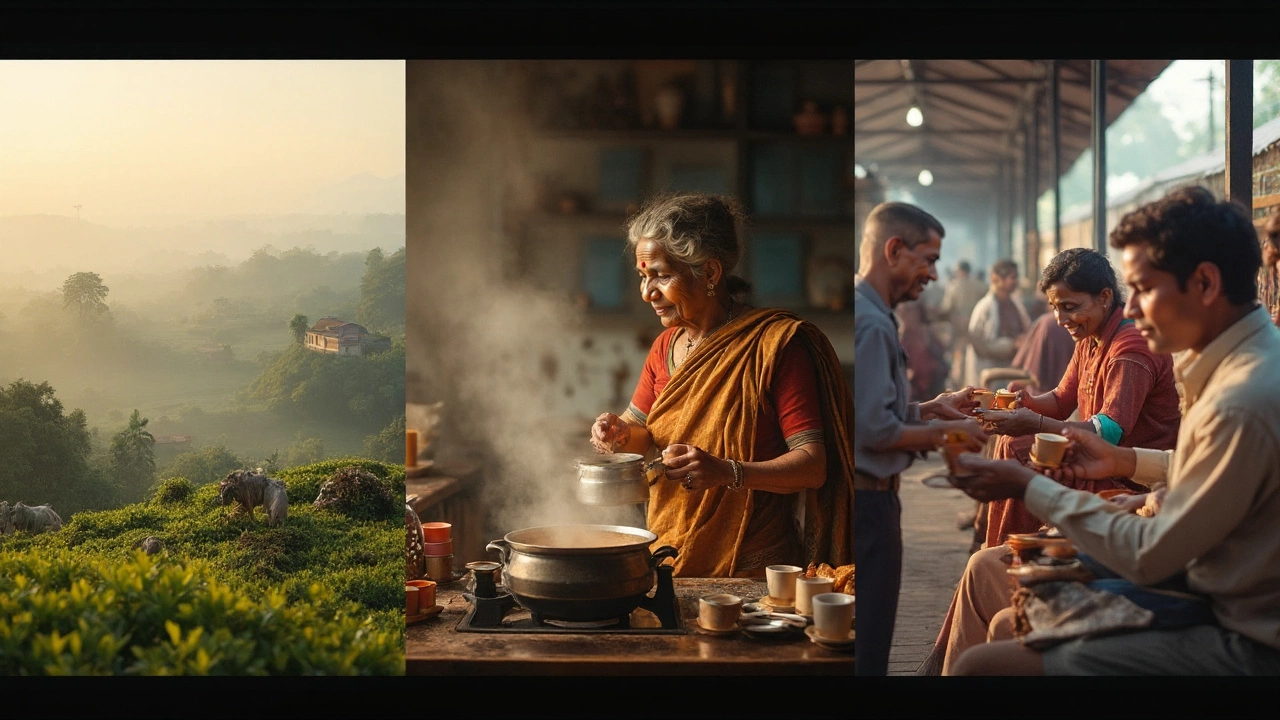
Chai: The Heart of Indian Daily Life and Culture
When you think of chai, a spiced Indian tea drink made with black tea, milk, sugar, and aromatic spices like cardamom, ginger, and cinnamon. Also known as masala chai, it’s not just a beverage—it’s the rhythm of morning routines, the pause between meetings, and the first thing offered to guests. You won’t find a single Indian household that doesn’t have a kettle simmering on the stove. It’s served in small cups, often handed out by street vendors with a smile, and drunk hot, even in summer. Unlike Western tea, which is often plain or lightly flavored, Indian chai is bold, creamy, and layered with warmth from spices that have been used for centuries.
What makes chai so special isn’t just the recipe—it’s the masala, a blend of ground spices that varies by region, family, and even mood. Some add black pepper for a kick, others use fennel seeds for sweetness, and a few swear by cloves for depth. This spice mix is the soul of the drink, and no two households make it exactly the same. Then there’s the milk, usually full-fat, boiled with the tea to create a rich, velvety texture. And the sugar, not just a sweetener, but a balancing act—too little and it’s bitter, too much and it’s cloying. The perfect cup hits that sweet spot.
Chai isn’t just about taste. It’s tied to digestion, tradition, and even health. Many Indians drink it after meals to settle the stomach, thanks to ginger and cardamom’s natural digestive properties. It’s also a social glue—whether you’re catching up with a neighbor, waiting for a bus, or starting your day before work. You won’t find a single Indian office without a chai wallah outside, or a home without a kettle always ready to boil. And while store-bought tea bags exist, most people still brew it the old way: simmering loose tea leaves with spices and milk, letting the flavors meld slowly. That’s the secret no machine can copy.
What you’ll find in the posts below isn’t just recipes—it’s the real stories behind how chai is made, why it’s so deeply woven into daily life, and how small changes—like swapping sugar for jaggery or using almond milk—can shift the whole experience. You’ll learn how to get that perfect froth, why some swear by boiling it three times, and what spices to skip if you’re feeling under the weather. This isn’t about following a rigid formula. It’s about understanding the rhythm of chai—and finding your own version of it.