Chutney: Essential Indian Condiments and Simple Recipes
When you think of Indian food, you might picture spicy curries or fragrant rice—but you’re probably forgetting the quiet hero: chutney, a fresh, tangy, or sweet condiment made from fruits, herbs, or vegetables, often blended with spices and used to balance flavors. Also known as chatni, it’s the secret punch in every meal, from street food to Sunday dinners. It’s not just a side. It’s the bridge between bold and mild, sweet and sour, crunchy and smooth. You’ll find it with dosas, with samosas, even on top of grilled chicken. And no, it’s not just mango—it’s tamarind, coconut, mint, even tomato.
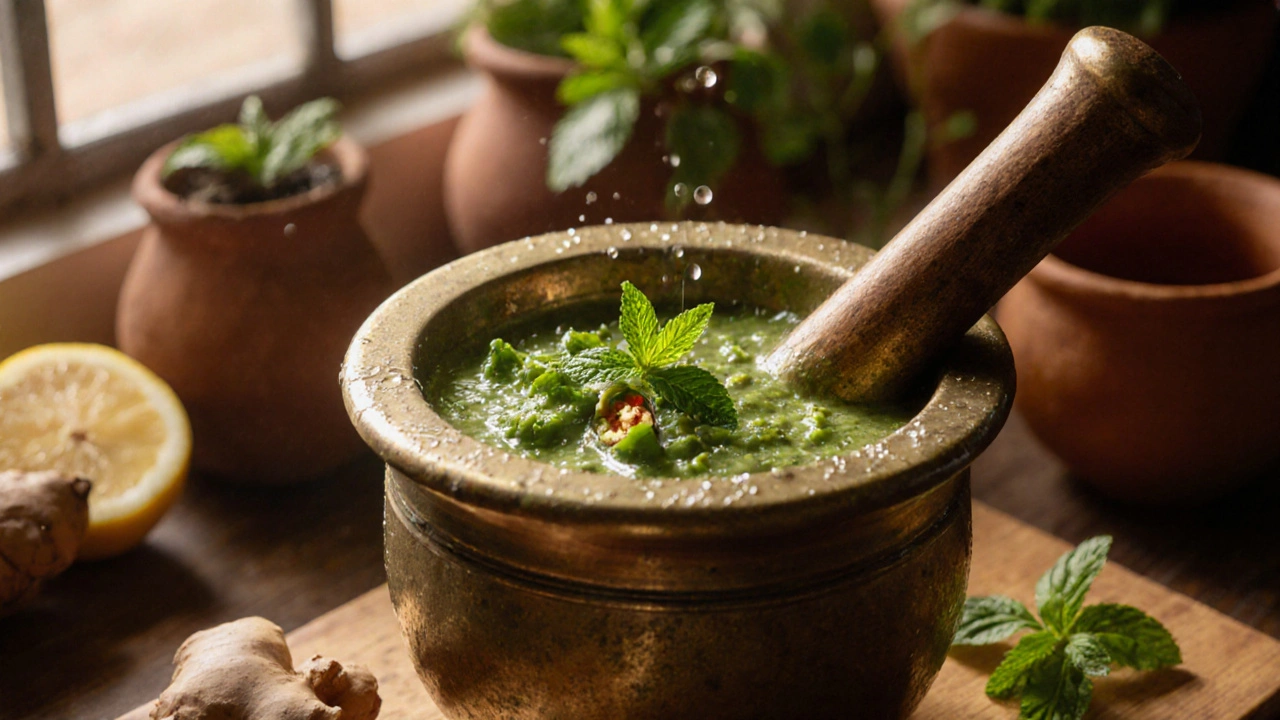
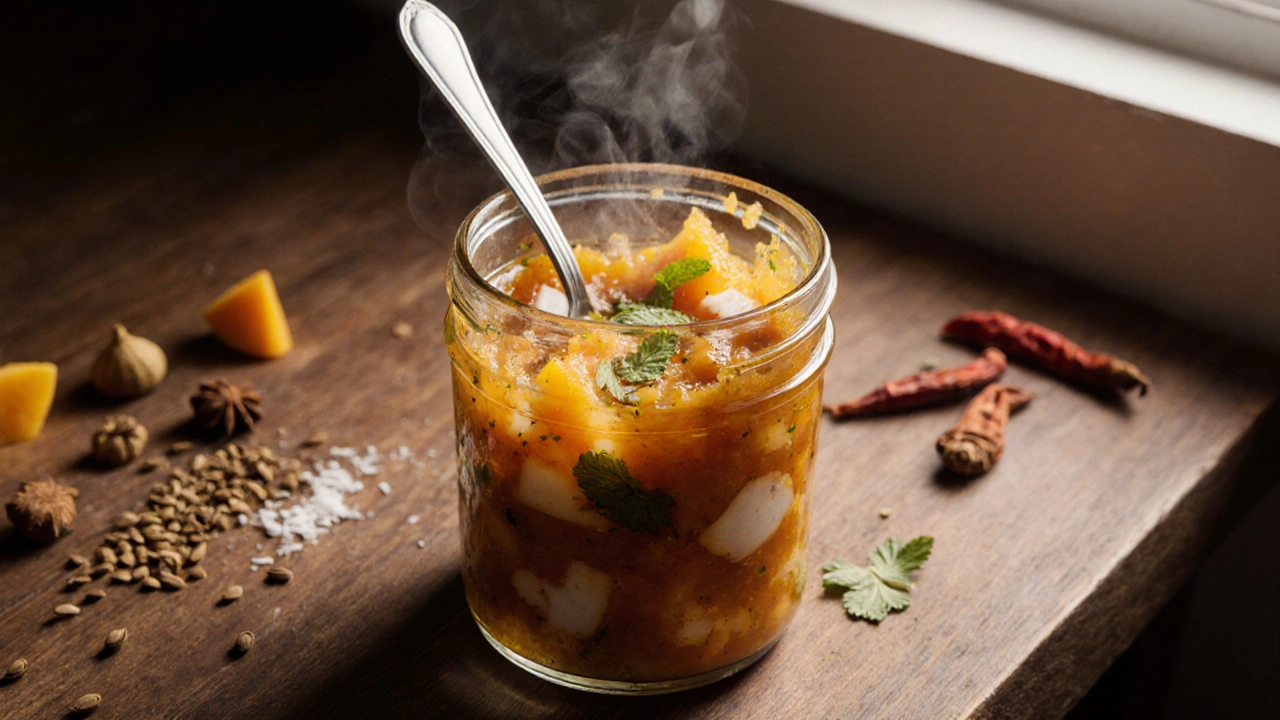
Chutney works because it’s simple, fast, and flexible. mango chutney, a sweet-tart preserve made from ripe mangoes, sugar, vinegar, and spices is the classic, but tamarind chutney, a sticky, sour-sweet sauce made from soaked tamarind pulp, jaggery, and spices is what you’ll get at every chaat stall. Then there’s coconut chutney, a creamy, mildly spicy blend of grated coconut, green chilies, and roasted lentils, common in South India and perfect with idli or vada. These aren’t fancy. They’re made in minutes with ingredients you already have. No fancy tools. No long waits. Just a blender, a pan, and a little patience.
What makes chutney so powerful is how it changes the whole dish. A plain samosa? Boring. Add a spoon of tamarind chutney, and it sings. A bowl of rice? Dull. Mix in some mint chutney, and it feels like a meal again. That’s why every Indian kitchen keeps at least two types on hand. You don’t need to be an expert to make it. You just need to taste, adjust, and try again. Some like it sweet. Others want it spicy. Some want it chunky. Others want it smooth. There’s no wrong way—only your way.
Behind every great chutney is a story. Mango chutney has roots in Mughal kitchens. Coconut chutney traveled with Tamil traders. Tamarind chutney was born out of necessity—using sour fruit to preserve flavor without refrigeration. Today, you’ll find them in homes from Mumbai to Manchester. And in the posts below, you’ll see exactly how to make them, fix them, and use them—whether you’re cooking for the first time or just tired of store-bought versions that taste like sugar and vinegar. You’ll learn how to balance sweetness and heat, when to roast spices, and why some chutneys need to sit overnight. No fluff. No theory. Just real, usable tricks from real kitchens.