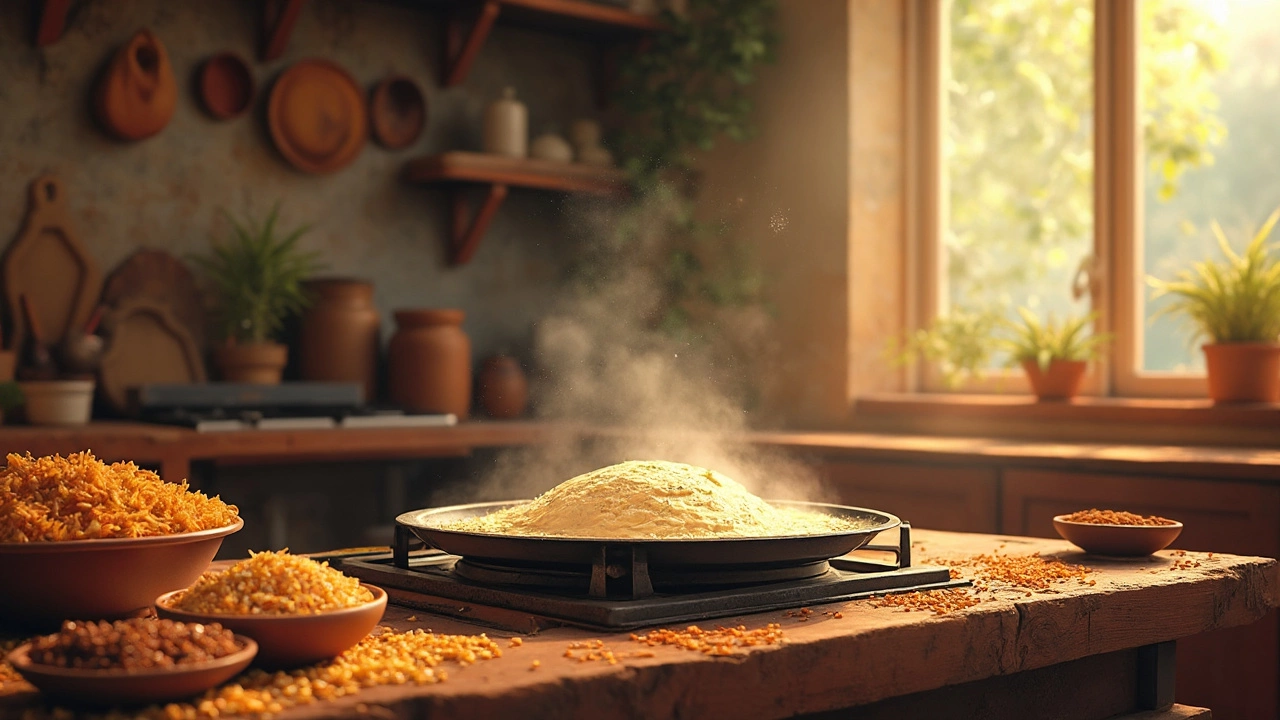
Crispy Dosa Tips: How to Get the Perfect Crunch Every Time
Getting a crispy dosa isn’t luck—it’s science. It starts with the right rice, proper fermentation, and a hot enough pan. Many people skip the basics and wonder why their dosa turns out soft or sticky. The truth? It’s not about fancy tools or secret recipes. It’s about understanding how each step affects texture and flavor. When you get the batter right, the rice ratio correct, and the heat just where it needs to be, that crisp edge? It happens naturally.
One of the biggest mistakes is using the wrong rice. Idli rice, a short-grain variety specifically milled for fermentation, is the gold standard. It’s not just any rice—it’s a type that absorbs water differently, ferments better, and crisps up without turning gummy. You can find it labeled as "dosa rice" or "idli rice" in Indian grocery stores, even outside India. Skip the long-grain basmati or jasmine. They won’t give you that signature crunch. And don’t forget the urad dal. It’s not just a filler—it’s the protein that creates air bubbles during fermentation, giving the dosa its light, airy structure. Then there’s the fermentation, the natural process where bacteria and yeast break down starches into gases. This isn’t optional. If your batter doesn’t rise, double in volume, and smell slightly tangy, your dosa won’t crisp. Cold kitchens? Use warm water to mix the batter and leave it near a heater or oven with the light on. No waiting 12 hours? There are quick fixes, but they’re not the same—real fermentation gives depth you can’t fake. And the dosa pan, a flat, heavy griddle usually made of cast iron or carbon steel. Non-stick pans? They’re fine for beginners, but they don’t hold heat the same way. A well-seasoned iron pan gets hot enough to instantly sear the batter, locking in that crisp outer layer while keeping the inside tender. Preheat it properly. Too cold? The batter soaks in. Too hot? It burns before it sets.
Here’s what most guides leave out: the oil. You need enough to coat the pan thinly but evenly. Use a paper towel dipped in oil and wipe it in circular motions right before pouring the batter. Too little oil? The dosa sticks and tears. Too much? It fries instead of crisps. And don’t spread the batter too thin in the center—leave a little thickness around the edges. That’s where the crunch lives. If your dosa curls up or breaks when you flip it, your batter’s too thick or the pan’s not hot enough. Test it with a small ladle first. Adjust. Then go big.
What you’ll find below are real, tested tips from people who make dosa every week—not just for guests, but for breakfast, lunch, and late-night snacks. No fluff. No theory. Just what works: how to fix watery batter, why your dosa sticks, what rice brands actually deliver, and how to make it crispy even in humid weather. These aren’t suggestions. They’re the fixes that turn average dosa into something you can’t stop eating.