Curry Flavor: What Makes Indian Curry Taste So Rich and Deep
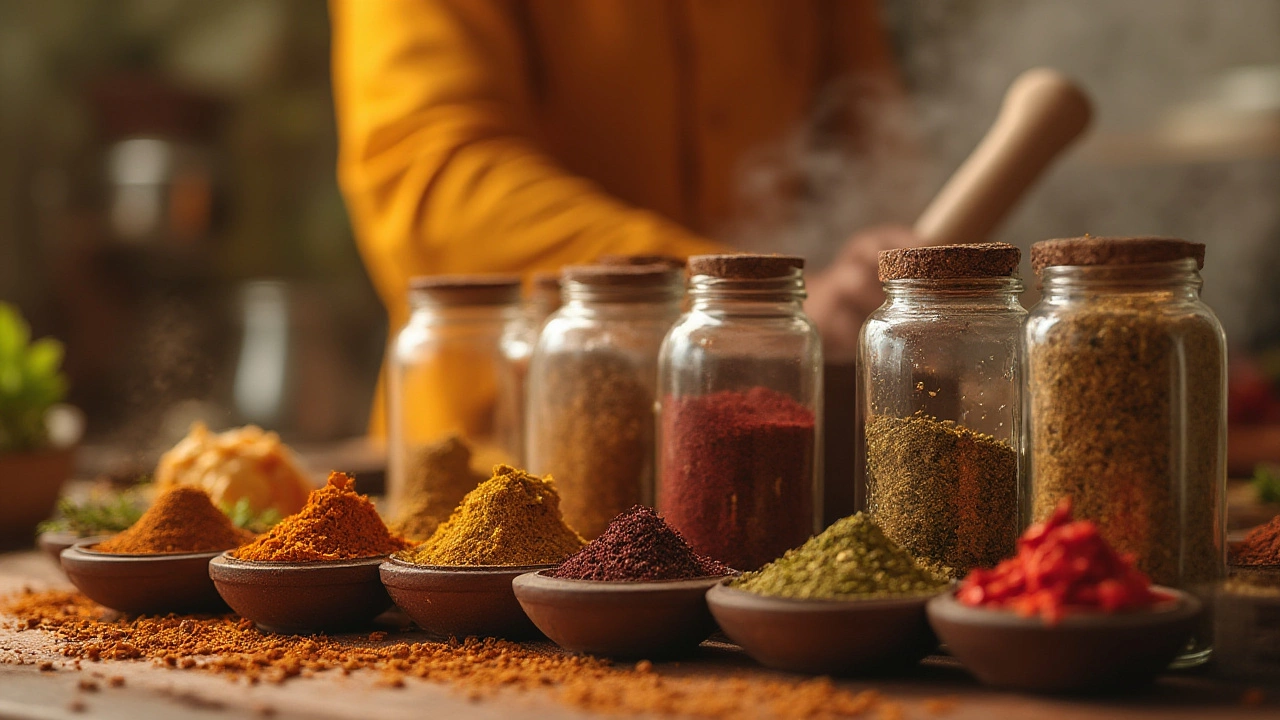
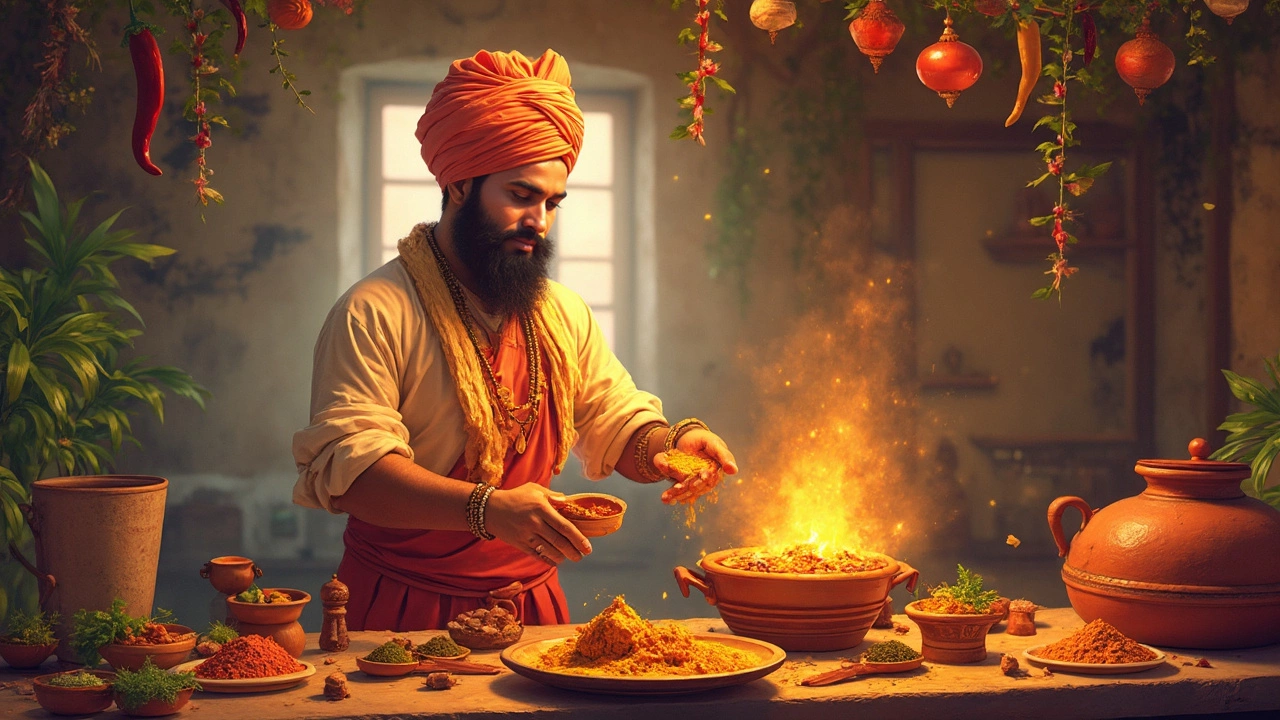
When you think of curry flavor, the layered, warm, and aromatic taste that defines countless Indian dishes. Also known as Indian spice blend, it’s not one single thing—it’s the result of time, heat, and smart layering of spices, aromatics, and fats. You can’t just throw turmeric and cumin into a pot and call it curry. Real curry flavor builds slowly, like a song with verses that come in one after another. It starts with whole spices crackling in hot oil—cumin seeds, mustard seeds, fenugreek—then moves to ground spices like coriander, chili, and turmeric, each added at the right moment to unlock their full potential. This isn’t magic. It’s science, passed down through generations of home cooks who learned that timing matters more than quantity.
The curry spices, the core ingredients that give Indian curries their signature depth aren’t just added randomly. Turmeric gives color and earthiness, but too much makes it bitter. Cumin adds smokiness, coriander brings citrusy balance, and garam masala finishes it with warmth. Then there’s the curry base, the foundation of flavor built from onions, garlic, ginger, and tomatoes. This isn’t just a sauce—it’s the backbone. Cook it too fast and it’s raw. Cook it too long and it turns bitter. Get it right, and it becomes a sticky, caramelized paste that clings to the meat or lentils, locking in flavor. That’s why recipes tell you to brown chicken before adding it to curry, or why simmering for 20 minutes makes all the difference. Flavor doesn’t happen in minutes—it happens in patience.
What makes Indian curry different from other spiced dishes? It’s the balance. Not just heat, but sweetness from caramelized onions, tang from tamarind or yogurt, and earthiness from lentils or coconut. Even the water you use matters—some cooks swear by stock, others by just plain water and a pinch of salt. And don’t forget the finish: a sprinkle of garam masala off the heat, a drizzle of cream, or a handful of fresh cilantro. These aren’t garnishes. They’re the final notes that tie everything together.
You’ll find all of this in the posts below—how to build curry flavor from scratch, why some spices are added early and others late, what happens when you skip browning the meat, and how to fix a bland curry after it’s already cooked. No fluff. No theory. Just real, tested ways to make your curry taste like it came from a kitchen in Delhi, Chennai, or Lucknow—not a takeout box.