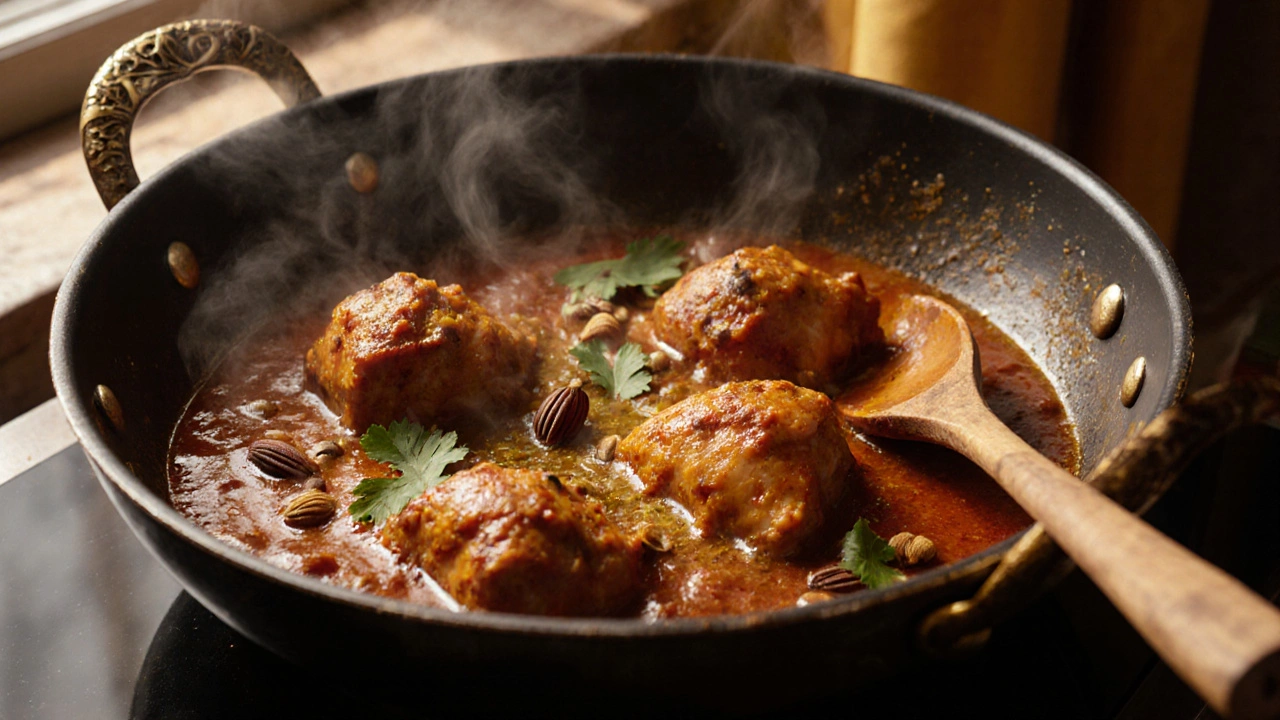
Curry Flavor Development: How to Build Deep, Authentic Indian Curry Taste
When you think of curry flavor development, the process of building complex, layered taste in Indian curries through controlled cooking techniques and spice sequencing. It's not just about tossing in a spoonful of garam masala—it's about when and how each ingredient meets heat, oil, and time. Most home cooks skip the real work and wonder why their curry tastes flat. The truth? Flavor doesn’t come from a packet. It comes from browning onions until they’re caramelized, blooming cumin in hot oil until it smells like a street stall in Mumbai, and letting turmeric toast just enough to unlock its earthiness without burning it.
Indian curry spices, a dynamic blend of whole and ground seeds, roots, and pods used in specific sequences to build aroma and depth. Also known as masalas, they’re not mixed randomly. Cumin and mustard seeds pop first. Fenugreek and asafoetida come next, releasing their bitterness only after a few seconds. Then, ginger-garlic paste sizzles, followed by tomatoes that break down into a jammy base. Each step changes the chemistry. Skip one, and the whole structure collapses. That’s why your chicken curry might taste good—but not right.
curry base, the foundational layer of sautéed aromatics, spices, and tomatoes that forms the backbone of any Indian curry. This isn’t just sauce. It’s the soul. In restaurants, they make big batches of this base and store it. At home, you can too. Make a double batch on Sunday, freeze it in portions, and pull one out when you need dinner fast. No more scrambling. Just add meat or veggies, a splash of water, and a pinch of salt. The flavor’s already there. And if you’ve ever wondered why store-bought curry pastes taste one-dimensional? They skip the slow caramelization. They don’t let the onions turn golden. They don’t wait for the oil to separate.
Why Timing Beats Quantity
You don’t need ten spices to make a great curry. You need one good one, added at the right moment. Turmeric gives color but turns bitter if fried too long. Coriander powder needs moisture to bloom. Cardamom pods should be cracked open before adding—so their oils release slowly. And garam masala? That’s the finisher. Add it at the end, off the heat. Stir it in like you’re folding in a secret. That’s how you get that lingering warmth that makes you reach for another bite.
People think curry is spicy. It’s not. It’s layered. The heat from chilies is just one note. The sweetness from onions, the tang from tamarind, the earthiness from lentils, the creaminess from coconut or yogurt—they all hold hands. And they only do that if you give them time. Rush it, and you get soup with spices. Slow it down, and you get something that sticks to your ribs and your memory.
Below, you’ll find real recipes and fixes from people who’ve been there—how to fix bland curry, why browning chicken matters, what makes tikka masala different from regular curry, and how to make your dal taste like it came from a grandmother’s kitchen. No fluff. Just the steps that actually change the flavor.