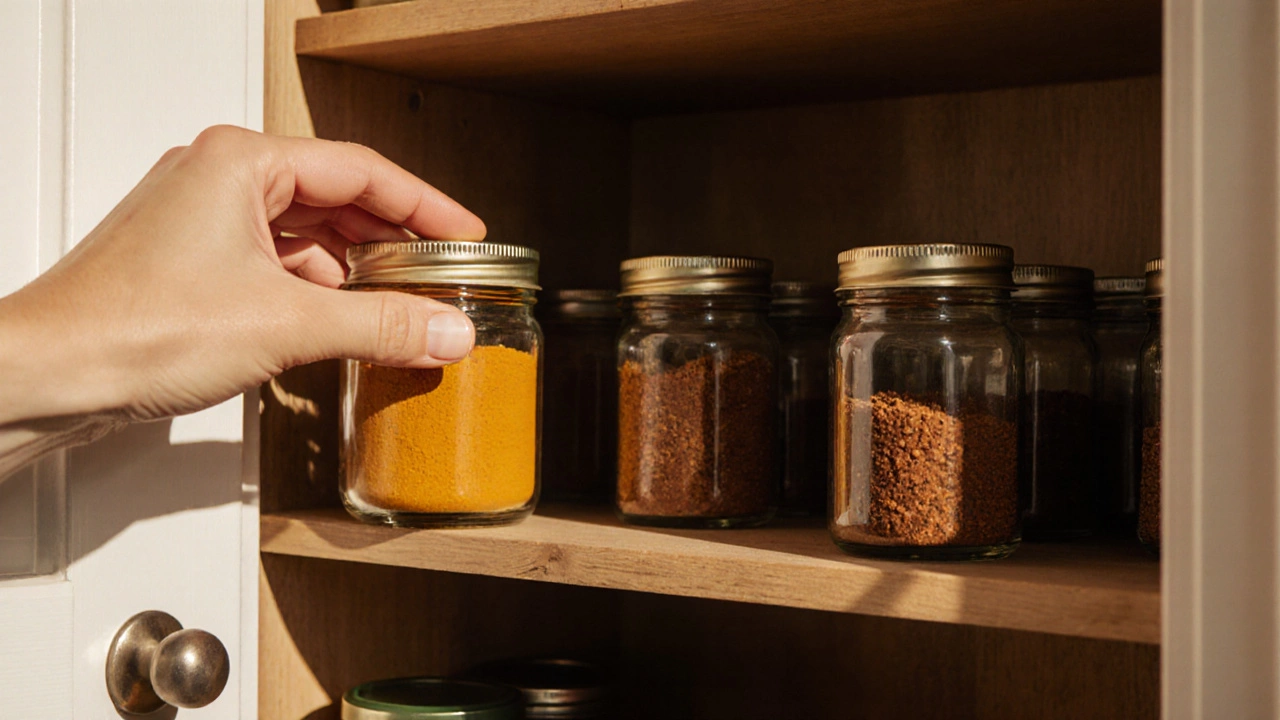
Curry Powder Substitute: Best Alternatives and How to Make Your Own
When you run out of curry powder, a blended spice mix used in Indian and British-inspired dishes to add warmth, earthiness, and depth. Also known as curry blend, it's not one single spice but a combination that varies by region and family recipe. Many people think it’s just turmeric and cumin, but real curry powder includes coriander, fenugreek, mustard, and sometimes chili or cardamom. If you’re out of it, you don’t need to run to the store—you just need to know what to reach for instead.
What most people don’t realize is that garam masala, a warm, aromatic Indian spice mix often added at the end of cooking. Also known as hot spice blend, it’s not a direct replacement but a flavor partner that can rescue a dish. While curry powder is roasted and ground into a base, garam masala is more about finishing—cinnamon, cloves, black pepper, and nutmeg give it a different character. Still, if you’re making a chicken or vegetable curry and only have garam masala, use it. Add a pinch of turmeric and cumin, and you’re close. Turmeric, the bright yellow root that gives curry its color and earthy base. Also known as haldi, it’s the heart of most curry powders isn’t just for color—it’s got anti-inflammatory compounds, and you’ll need it even if you’re making your own blend. Skip it, and your dish will taste flat, no matter how much garlic or ginger you add.
You can also build a quick substitute with what’s in your pantry. Start with one part ground cumin, one part ground coriander, half a part turmeric, and a quarter part each of paprika and mustard powder. Add a tiny pinch of cinnamon or cloves if you have them. That’s it. No fancy tools, no waiting. This isn’t restaurant-grade, but it’s better than nothing—and it’s what most Indian homes do when they’re out of pre-mixed powder. Store-bought curry powder often sits on shelves for months, losing its punch. Homemade blends are fresher, stronger, and cheaper. You don’t need to buy a jar labeled "curry powder" to make a great curry.
And if you’re wondering why some recipes say "curry" but don’t use curry powder? That’s because in India, most curries are built from scratch—whole spices toasted and ground fresh, or added whole and then removed. The idea of a pre-mixed powder is mostly a colonial-era invention. But that doesn’t mean it’s useless. It’s just not the whole story. The real magic is in understanding what each spice does. If you know turmeric adds earthiness, cumin adds smokiness, and coriander adds citrusy balance, you can fix any dish—even without the bag.
Below, you’ll find real kitchen fixes from people who’ve been there—how to soften hard paneer with a curry base, what to use when you’re out of curry powder but still want that rich flavor in your chicken or dal, and why some substitutes work better than others depending on the dish. No fluff. Just what works.