Dal Nutrition: What Makes Lentils Healthy and Which Ones Are Best?
When you think about dal nutrition, the nutritional power of Indian lentils that form the backbone of daily meals. Also known as lentils, it's one of the most reliable sources of plant-based protein and fiber in Indian households. Unlike processed snacks or refined carbs, dal doesn’t just fill you up—it supports digestion, stabilizes blood sugar, and keeps your muscles strong. But not all dals are created equal. Some are packed with iron, others with folate, and a few even help reduce bloating when cooked right.
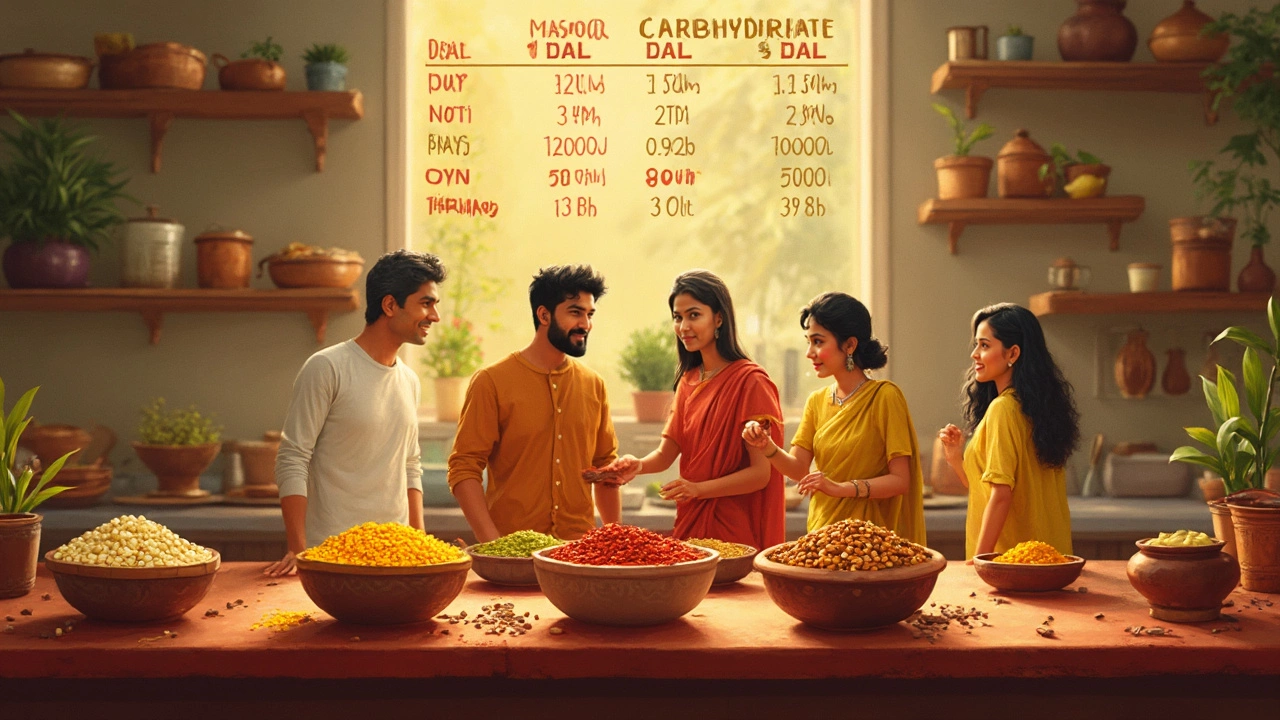
The real difference shows up in the details. chana dal, split chickpeas that are high in fiber and slow-digesting carbs, keeps you full longer than moong dal, green mung beans known for being easy on the stomach and rich in antioxidants. Then there’s toor dal, pigeon peas that are a staple in sambar and loaded with potassium and magnesium. Each type brings something different to the table—and knowing which one to pick can make a real difference in how you feel after eating.
Dal nutrition also depends on how you prepare it. Soaking reduces phytic acid, which blocks mineral absorption. Sprouting boosts vitamin content. Cooking with a pinch of turmeric or cumin doesn’t just add flavor—it helps your body use the nutrients better. And yes, timing matters too. Eating dal at night might slow your digestion, but having it at lunch gives your body hours to process it properly.
You’ll find plenty of advice out there—some say rinse your dal, others say skip it. Some claim you need to cover it while cooking, others say leave it open. The truth? It’s not one-size-fits-all. The best approach depends on the type of lentil, your digestive system, and even the water hardness in your area. That’s why the posts below break it down by specific dals, cooking methods, and real-life results.
Below, you’ll find clear, no-fluff guides on which dal gives you the most protein, how to avoid gas, whether soaking actually helps, and the exact water-to-dal ratios that work. No guesswork. No myths. Just what works, backed by real cooking experience and nutritional science.