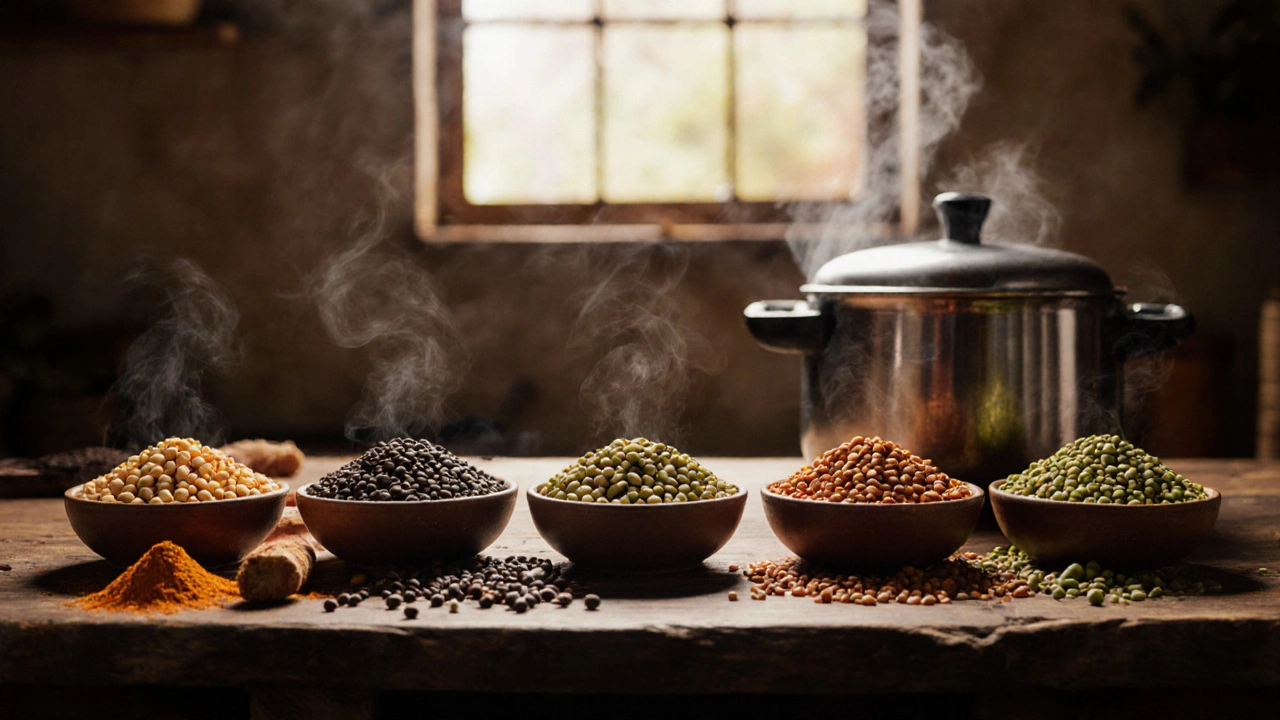
Dal Nutrition Facts: Protein, Fiber, and Health Benefits of Indian Lentils
When you eat dal, a staple lentil dish in Indian cooking made from split pulses like toor, moong, or masoor. Also known as lentils, it's one of the most nutrient-dense foods in everyday Indian meals. Dal isn’t just comfort food—it’s a concentrated source of plant-based protein, slow-digesting fiber, and essential minerals like iron and magnesium. Unlike processed carbs, dal keeps you full longer, stabilizes blood sugar, and supports gut health without weighing you down.
Every cup of cooked dal delivers about 18 grams of protein—close to a chicken breast—and nearly 15 grams of fiber. That’s more than half your daily fiber needs in one bowl. The fiber in dal isn’t just for digestion; it feeds the good bacteria in your gut, which studies show helps reduce inflammation and improve immunity. And because dal is naturally low in fat and contains no cholesterol, it’s a heart-smart choice, especially when cooked without heavy cream or butter. Many people avoid dal at night because it’s dense, but that’s exactly why it’s perfect for breakfast or lunch—your body needs that slow-burning energy to power through the day.
Not all dal is the same. Toor dal packs more iron than moong dal, while chana dal has higher calcium. Red lentils cook faster but lose a bit of fiber in the process. So when you’re looking at dal nutrition facts, the type matters. Soaking and sprouting dal before cooking can boost its nutrient availability by breaking down phytic acid—a compound that blocks mineral absorption. And don’t forget the spices: turmeric, cumin, and ginger aren’t just for flavor—they reduce bloating and help your body absorb nutrients better. This is why homemade dal is so different from store-bought versions that skip these steps.
People often ask if dal causes gas. It can—but it’s not the lentil’s fault. It’s usually because of how it’s cooked. Proper soaking, rinsing, and simmering with asafoetida (hing) cuts down on the compounds that cause bloating. That’s why so many of the posts here focus on simple fixes: water-to-dal ratios, covering the pot, or whether to rinse before cooking. These aren’t just cooking tips—they’re nutrition hacks.
What you’ll find below isn’t just a list of articles. It’s a practical guide to making dal work for your body. Whether you’re trying to lower your sugar intake, build muscle on a plant-based diet, or just digest better, the right dal can be your secret weapon. You’ll learn how to pick the healthiest lentils, avoid common mistakes that drain nutrients, and turn a simple bowl into a powerful meal.