Dress Code India: What to Wear in India and How Culture Shapes Everyday Style
When you think of Dress Code India, the unwritten rules and cultural expectations around clothing in India. Also known as Indian attire norms, it’s not about fashion trends—it’s about respect, climate, and deep-rooted traditions. In India, what you wear isn’t just personal choice. It’s a signal. Walk into a temple in Varanasi wearing shorts, and you’ll be asked to cover up. Sit down at a family dinner in Rajasthan in a tight top, and you’ll feel the quiet disapproval. This isn’t about restriction—it’s about belonging.
Indian traditional clothing, garments like sarees, salwar kameez, dhotis, and lungis that have been worn for generations still dominate daily life, even in cities. A woman might wear a cotton saree to work, a man a kurta to the market. These aren’t costumes for tourists—they’re practical, breathable, and designed for heat. In rural areas, modesty is the norm. In metros like Delhi or Bangalore, you’ll see more variety, but even there, shoulders and knees are often covered out of habit, not rule. The modest fashion India, a growing movement blending cultural values with contemporary style is real—designers now make stylish, covered-up outfits that look modern without sacrificing tradition.
Religion plays a big part. Muslim women often wear hijabs or burqas—not because they’re forced, but because it’s part of their identity. Hindu women might cover their heads when entering a temple. Sikh men wear turbans as a religious duty. These aren’t exceptions—they’re everyday realities. Even in workplaces, many companies quietly expect women to avoid revealing clothes. You won’t find signs saying "No Shorts Allowed," but you’ll feel it.
Climate shapes it too. Cotton, linen, and silk rule because they breathe. Heavy fabrics? Only for weddings or winter. In the south, women wear lightweight sarees with blouses. In the north, salwar kameez with dupattas are standard. The dupatta? Not just decoration—it’s a tool for modesty, used to cover the head, shoulders, or chest when needed.
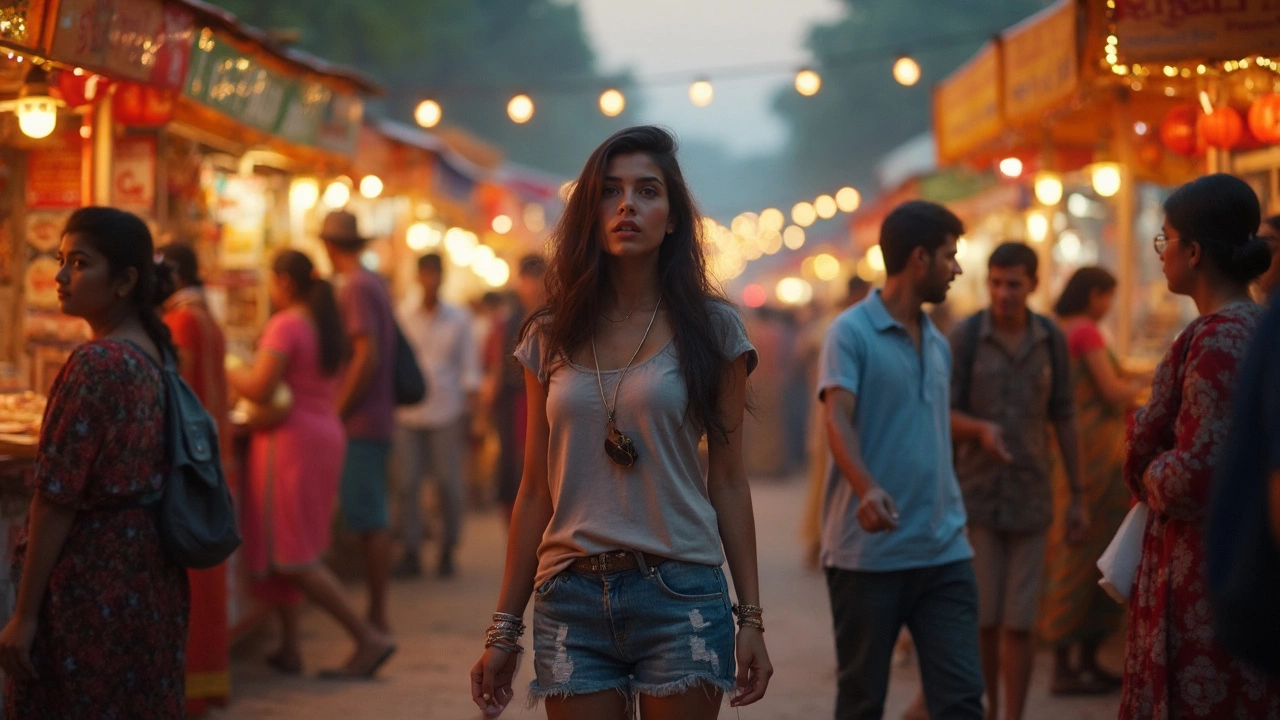
What about tourists? You can wear jeans and t-shirts in most cities. But if you’re visiting a temple, mosque, or village, you’ll need to adapt. Carry a scarf. Wear long pants. Skip the crop tops. It’s not about changing who you are—it’s about showing you understand. And people notice. They’ll smile more. Offer help. Invite you in.
The cultural dress India, how clothing reflects regional identity, caste, community, and occasion is layered. A Punjabi woman’s phulkari dupatta tells a different story than a Bengali woman’s tant saree. A Rajasthani man’s pagri isn’t just a hat—it’s a symbol of honor. These aren’t just clothes. They’re history stitched into fabric.
There’s no single dress code for India. But there’s one unspoken rule: match the place. Wear what the locals wear, and you’ll blend in—not just in style, but in spirit. Below, you’ll find real stories, practical tips, and cultural insights from people who live it every day. No guesswork. Just what works.