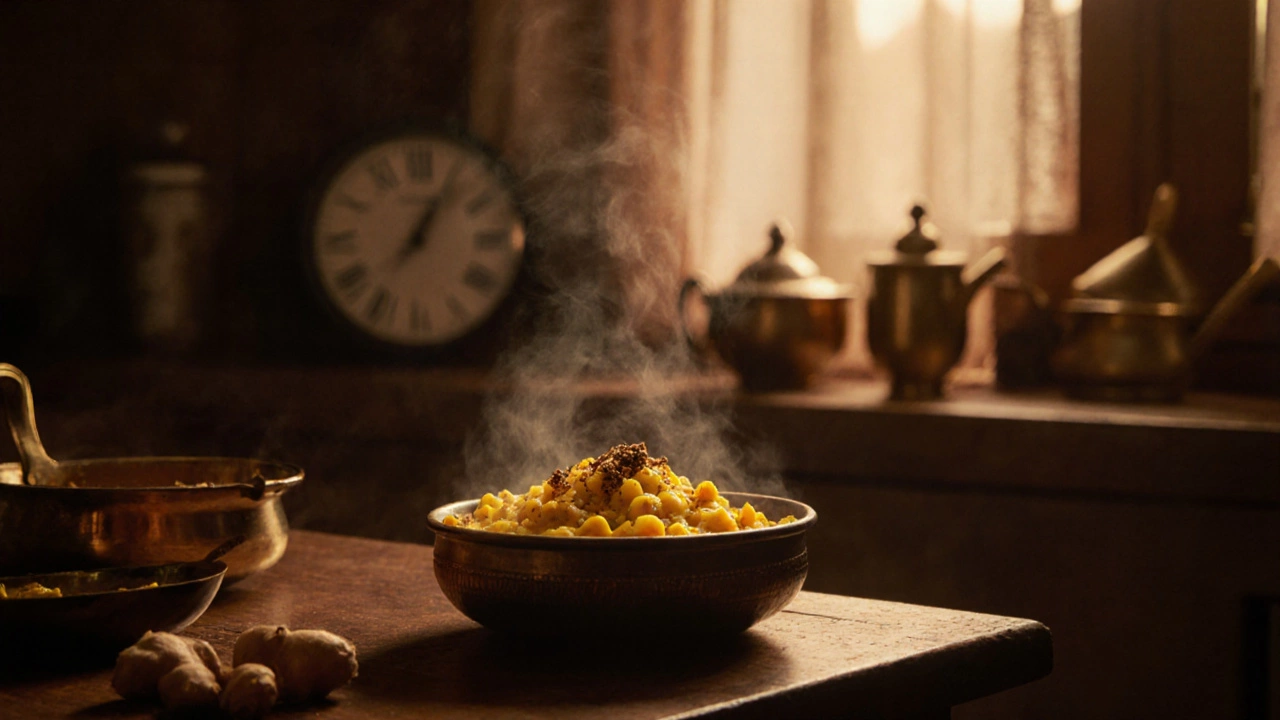
Eating Dal in the Evening: Is It Healthy and How to Do It Right
When you think of dal, a staple lentil dish in Indian households, often served with rice or roti. Also known as lentil curry, it's one of the most common protein sources across India—eaten at lunch, dinner, or even as a quick snack. But if you're eating dal in the evening, you might wonder: is it too heavy? Does it cause gas? Should you even have it after sunset? The answer isn’t yes or no—it depends on how you prepare it, what kind you use, and when you eat it.
Moong dal, a light, easy-to-digest lentil often recommended for evening meals. Also known as yellow lentils, it’s low in fiber compared to others and breaks down faster in the gut, making it a smarter choice for dinner. On the flip side, chana dal, a split chickpea with high fiber and protein. Also known as bengal gram, it’s packed with nutrients but can sit heavy in your stomach if eaten late. If you’re eating dal in the evening, go for moong or masoor dal—they’re gentler, cook faster, and won’t leave you feeling bloated by bedtime. Skip the heavy toor or urad dal at night unless you’ve soaked them overnight and cooked them extra soft.
How you cook dal matters just as much as which kind you pick. Covering dal while cooking, traps steam and helps lentils soften evenly. Also known as simmering with a lid, this method cuts cooking time and makes the dal creamier without needing extra water. But if you’re worried about gas, leave the lid slightly ajar—this lets out the compounds that cause bloating. A pinch of hing (asafoetida) and a teaspoon of cumin seeds added while tempering also helps your gut handle the lentils better. And yes, rinsing your dal before cooking? Do it. Even if it looks clean, dust and debris from processing can linger, and skipping this step can make digestion harder.
Many people think eating dal at night is bad because it’s "heavy," but that’s not the real issue. The real problem? Overcooking it into mush, skipping spices that aid digestion, or eating it too close to bedtime. If you’re having dal after 8 p.m., give yourself at least two hours before sleeping. Pair it with a light side—like steamed greens or a small bowl of yogurt—not fried papad or heavy rice.
You’ll find plenty of tips in the posts below on how to make dal easier on your stomach, which types work best for evening meals, and how to fix common mistakes like watery dal or gassy after-effects. Whether you’re new to cooking lentils or just tired of bloating after dinner, these guides give you real, tested ways to eat dal without the discomfort.