Eating Raw Salad in India: What Works, What Doesn't
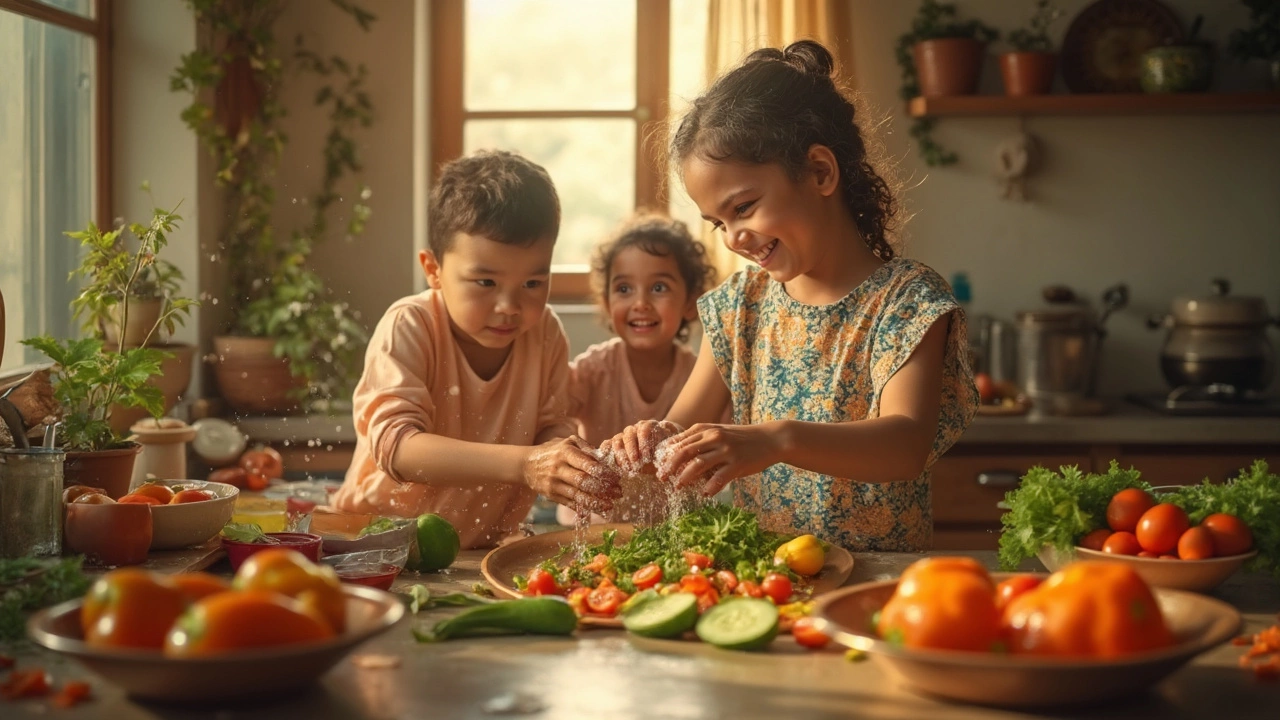
When people think of raw salad, a dish made of uncooked vegetables, often tossed with dressing or spices. Also known as fresh vegetable platter, it’s seen as healthy everywhere—until you’re in India. Here, the idea of eating raw salad isn’t as simple as tossing lettuce with olive oil. Many Indians avoid raw greens altogether, not because they don’t like them, but because of digestion, safety, and tradition. In fact, the real raw vegetables, uncooked produce eaten fresh, often with spices or chutney you’ll find in Indian homes aren’t Western-style salads. They’re things like sliced cucumber with chaat masala, grated carrot with lemon, or raw papaya with salt and chili. These aren’t side dishes—they’re snacks, palate cleansers, or digestive aids.
Why the difference? It comes down to water quality, gut sensitivity, and centuries of Ayurvedic wisdom. In many parts of India, even tap water isn’t safe to drink, so washing raw vegetables thoroughly isn’t always enough. That’s why street vendors often skip raw greens entirely. Even at home, people tend to lightly roast, steam, or pickle vegetables before eating them. Indian salad traditions, regional practices of consuming raw or lightly dressed vegetables as part of daily meals focus on ingredients that are naturally antimicrobial—like raw onions, ginger, and tamarind. These aren’t just flavors—they’re protective. You won’t find iceberg lettuce in a typical Indian kitchen, but you’ll find raw mango, radish, and beetroot, often eaten with a sprinkle of salt and roasted cumin. These aren’t salads in the Western sense. They’re functional, gut-friendly, and deeply tied to how food is understood here.
There’s also a cultural layer. Many older generations believe raw food is harder to digest, especially in humid climates, and can trigger bloating or acidity. That’s why dal and rice are served warm, and why chutneys—fermented and spiced—are used to balance meals. The raw food diet India, a modern trend of consuming uncooked plant-based foods for health is growing in cities, but it’s still niche. Most people who eat raw vegetables here do it in small amounts, with spices, and never as a main course. And if you’re new to India and wondering whether to try that colorful plate of raw veggies at a roadside stall? It’s not just about taste—it’s about water source, hygiene, and your own gut. What works for someone from Delhi might not work for someone from Mumbai. The truth? Raw salads in India aren’t about following a trend. They’re about adapting to what’s safe, what’s local, and what your body can handle. Below, you’ll find real stories, tips, and recipes from Indian kitchens that show how raw vegetables fit into everyday meals—without the risk.