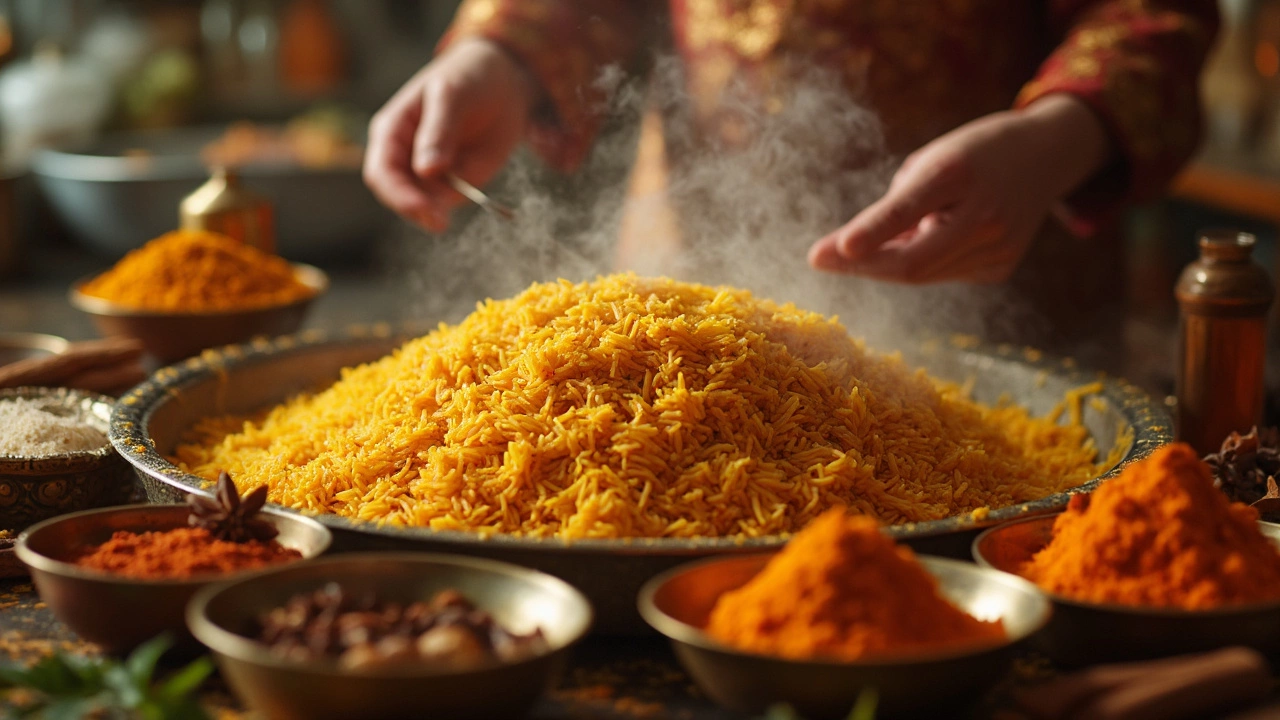
Flavor Tips: Master Indian Cooking with Simple, Powerful Techniques
When you think of flavor tips, practical methods to enhance the taste of food using ingredients, timing, and technique. Also known as cooking secrets, it’s not about exotic ingredients—it’s about knowing when to add cumin, how long to fry onions, or why soaking dal matters before you even turn on the stove. Most people think flavor comes from more spices, but the truth? It comes from sequence. A pinch of mustard seed popped in hot oil before the curry base? That’s the difference between good and unforgettable.
Real Indian cooking, a style of food preparation rooted in regional traditions, spice combinations, and slow-developed aromas doesn’t rely on recipes alone. It’s about understanding how heat changes turmeric, why you brown chicken before adding it to curry, or how chutney isn’t just a side—it’s a flavor anchor that cuts through richness. You won’t find flavor tips in a jar. You find them in the way your grandmother let the lentils simmer just a little longer, or how she added a splash of lemon at the very end to wake up the whole dish.
These spice blends, custom mixtures of ground spices used to build depth and complexity in Indian dishes aren’t magic. They’re science. Toasting cumin and coriander before grinding releases oils you can’t get from pre-ground powder. Frying garlic in ghee before adding tomatoes? That’s the base of half the curries in India. And dal preparation, the process of cleaning, soaking, and cooking lentils to maximize flavor and digestibility? Skip the rinse when the dal looks clean, but never skip the tempering. That sizzle of mustard seeds and dried red chilies in hot oil? That’s where the soul of the dish lives.
And then there’s chutney, a fresh, tangy, or spicy condiment made from herbs, fruits, or vegetables that balances and brightens meals. Store-bought versions are sweet and flat. Homemade? They’re alive—fermented tamarind, crushed cilantro with green chili, coconut with roasted sesame. They don’t just go with food. They complete it.
These aren’t fancy tricks. They’re the quiet rules passed down in kitchens across India—not because they’re traditional, but because they work. You don’t need a Michelin star to make food taste amazing. You just need to know when to add salt, how long to let the onions turn golden, and why you never rush the tempering.
Below, you’ll find real answers to real cooking questions—how to fix hard paneer, why rinsing dal sometimes ruins flavor, whether to cover your lentils while cooking, and how to make biryani smell like it came from a street vendor in Lucknow. No fluff. No theory. Just what actually changes the taste of your food.