Food Culture in India: Traditions, Rituals, and Everyday Eating Habits
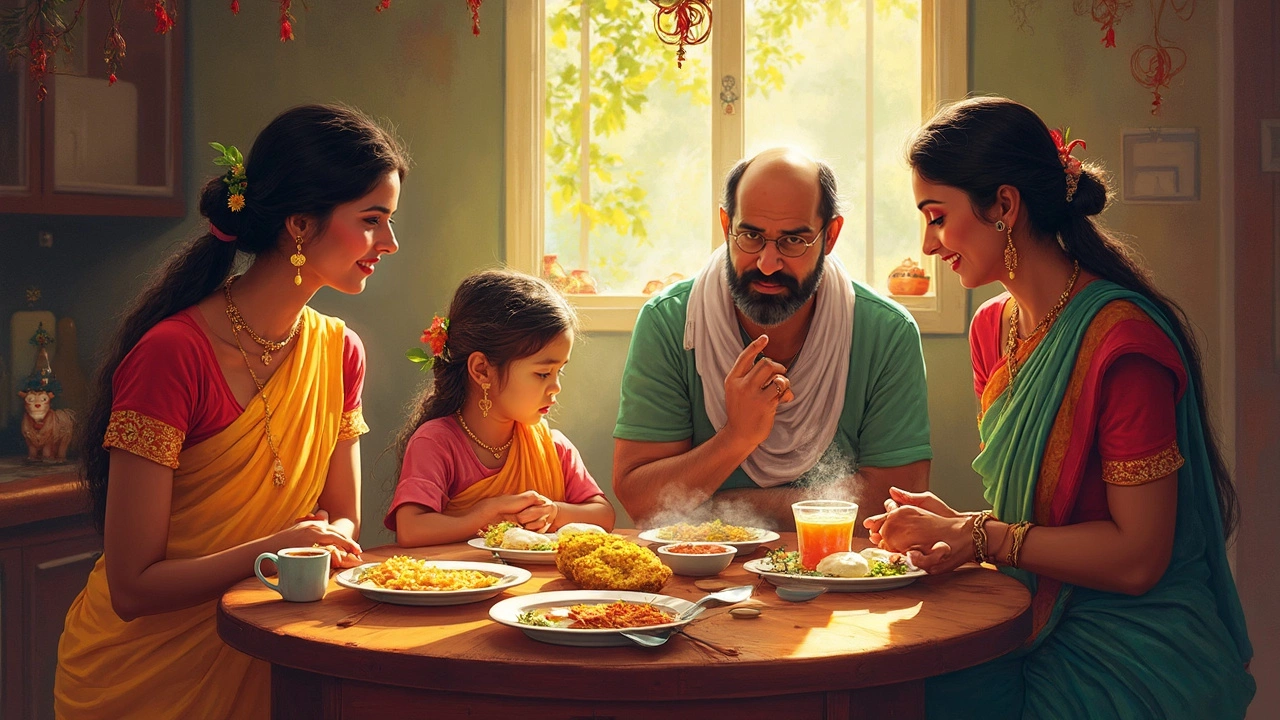
When we talk about food culture, the shared practices, beliefs, and rituals around eating in a community. Also known as culinary tradition, it’s not just about recipes—it’s about who cooks, when they eat, and why certain foods are tied to festivals, family, or faith. In India, food culture doesn’t stop at taste. It’s woven into daily life: a morning cup of chai before work, lentils eaten at noon for energy, sweets shared during weddings, and rice served on banana leaves during religious ceremonies. This isn’t random—it’s inherited, passed down, and deeply personal.
Food culture in India includes regional Indian cuisine, distinct cooking styles and ingredients tied to geography, climate, and history. Also known as local food identity, it’s what makes a South Indian dosa different from a North Indian paratha, or why Bengalis use mustard oil while Punjabis rely on ghee. It also involves Indian eating habits, the unspoken rules around meal timing, portion sizes, and food combinations. Also known as dietary rhythm, it’s why dal is avoided at night for digestion, why pulses are soaked before cooking, and why chutney isn’t just a side—it’s a digestive aid. And then there’s Indian culinary practices, the methods passed down through generations: tempering spices in hot oil, layering biryani, fermenting batter overnight, or making paneer from slightly sour milk. Also known as kitchen wisdom, these aren’t just techniques—they’re survival skills honed over centuries. These practices aren’t outdated. They’re science-backed, practical, and still alive in homes across India today.
You’ll find these ideas reflected in the posts below: how to make dosa without fermentation, why store-bought paneer turns hard, whether you should rinse dal, or why eating sweets like pashmak is tied to celebration—not just sugar. This isn’t a list of random recipes. It’s a collection of real, lived experiences around food in India. Whether you’re cooking for the first time or you’ve been stirring pots for decades, you’ll find answers here—not just for what to cook, but why it matters.