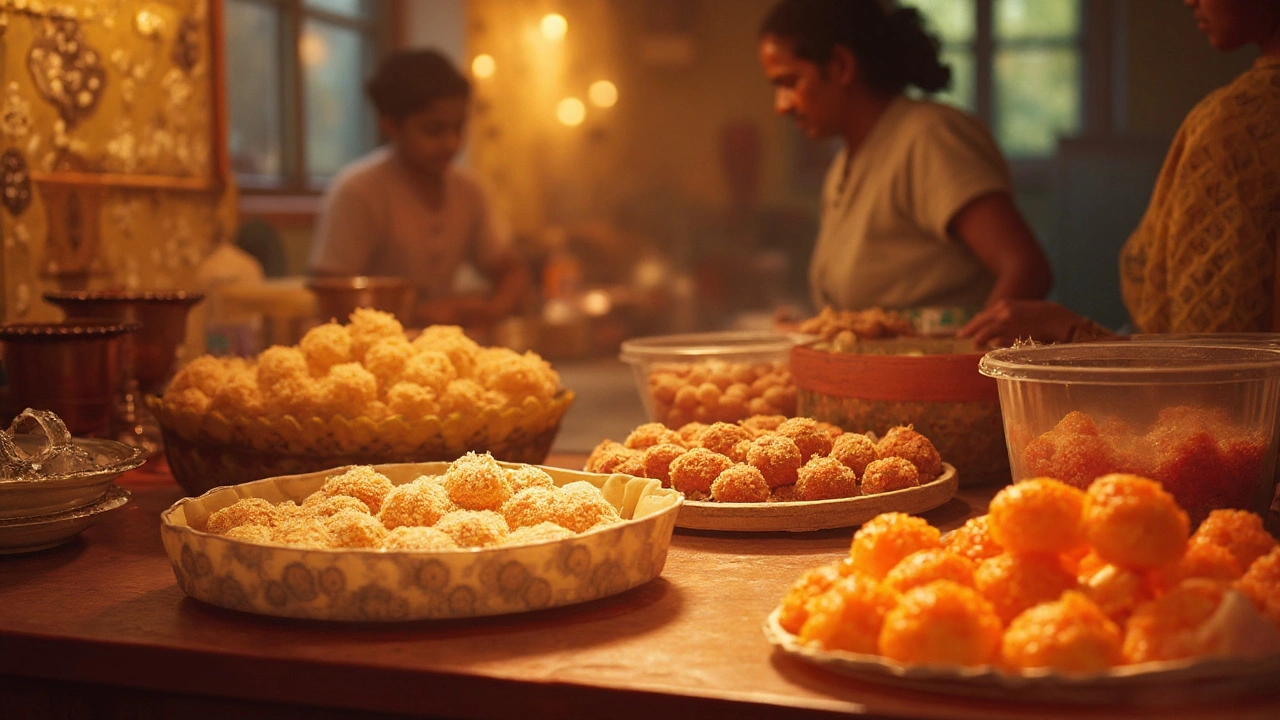
Freezing Mithai: How to Store Indian Sweets Without Losing Flavor
When you make too much mithai, traditional Indian sweets like gulab jamun, rasgulla, or barfi made from milk, sugar, and nuts. Also known as Indian desserts, these treats are often prepared in large batches for festivals, weddings, or family gatherings. But what happens when you have leftovers? Can you freeze mithai without turning it into a soggy mess?
Yes—you can freeze mithai, but not all types handle it the same way. Sweets made with paneer, a fresh Indian cheese used in sweets like rasgulla and chhena peda hold up better than those soaked in syrup. Gulab jamun, deep-fried dough balls soaked in sugar syrup, can be frozen if you freeze them before soaking them in syrup. Once they’re soaked, the syrup turns icy and the texture becomes grainy. Barfi, a dense, fudge-like sweet made from condensed milk or khoya, freezes well if wrapped tightly and stored in an airtight container. But don’t freeze jalebi—it’ll lose its crispness and turn rubbery.
Freezing mithai isn’t just about tossing it in the freezer. The key is speed, sealing, and separation. Cool your sweets completely before freezing—any warmth creates condensation, which leads to ice crystals. Wrap each piece individually in plastic wrap, then place them in a freezer bag with as much air squeezed out as possible. Label the bag with the date. Most mithai lasts 2–3 months in the freezer without major flavor loss. When you’re ready to eat, thaw them slowly in the fridge overnight. Never microwave them straight from frozen—that’s how you end up with a melted, sticky disaster.
Why does this matter? Because Indian households often make sweets in bulk. If you’ve ever thrown away a container of half-eaten rasgulla because it went bad after five days, you know the problem. Freezing extends the life of your hard work and saves you from buying more later. It also helps with meal prep—think of it like freezing curry or dal, but for dessert. And if you’ve ever wondered why store-bought mithai lasts longer than homemade, now you know: most are frozen or vacuum-sealed during production.
There’s a science behind it too. The sugar in mithai acts as a natural preservative, but it also draws moisture. When frozen, that moisture migrates and crystallizes, which is why texture changes. That’s why the best candidates for freezing are those with lower moisture content—barfi, kheer solids, or dry ladoos. Avoid freezing anything with fresh fruit, cream, or yogurt bases—they separate and turn grainy.
So next time you make a big batch of mithai, don’t panic about leftovers. Freeze the right ones the right way. You’ll have sweet treats ready for unexpected guests, late-night cravings, or just a quiet afternoon. The goal isn’t to store them forever—it’s to enjoy them fresh, even when you made them weeks ago.
Below, you’ll find real tips from people who’ve tested freezing everything from kalakand to jalebi—what worked, what didn’t, and how to avoid the common mistakes that ruin dessert.