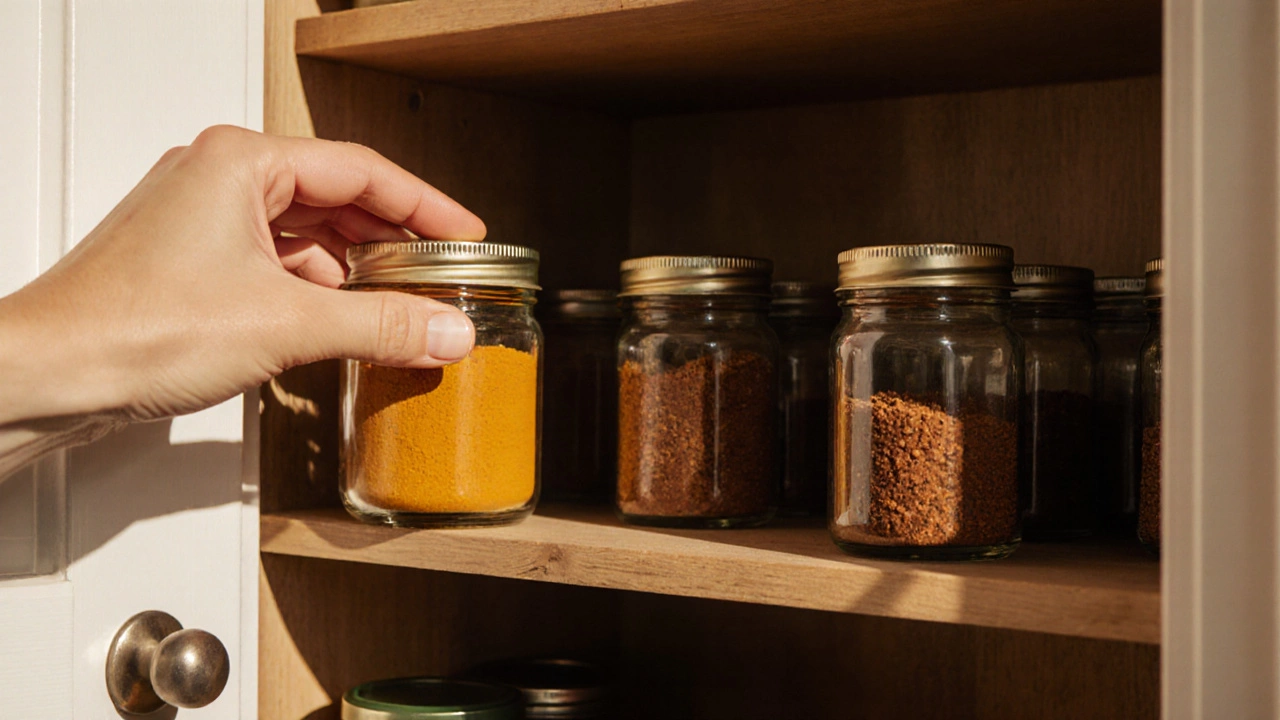
Garam Masala: The Spice Blend That Defines Indian Kitchens
When you think of Indian food, one spice blend rises above the rest—garam masala, a warm, aromatic blend of ground spices used to finish curries, stews, and rice dishes across India. Also known as hot spice mix, it’s not just a seasoning—it’s the final punch that turns good food into unforgettable food. Unlike turmeric or cumin, which you add early to bloom in oil, garam masala is added near the end. That’s because its magic comes from volatile oils that vanish if you cook them too long. Add it too early, and you lose the fragrance. Add it at the right moment, and your kitchen smells like a street vendor in Delhi at dusk.
What’s actually in it? There’s no single recipe, but most versions include cinnamon, a sweet, woody bark that adds depth and warmth, cardamom, the fragrant green pods that smell like citrus and mint, cumin, earthier and more pungent than its roasted cousin, and cloves, intensely aromatic buds that pack a bold, almost medicinal kick. Some add black pepper for heat, nutmeg for richness, or bay leaves for subtle bitterness. The exact mix changes by region—Punjab leans heavier on cinnamon, while South India might use more black cardamom. But no matter where you are, if a dish calls for garam masala, it’s there to tie everything together.
You’ll find garam masala in nearly every post in this collection. It’s the secret behind the depth in tikka masala, the warmth in chicken curry, and the complexity in biryani. It’s not just a spice—it’s the bridge between simple ingredients and layered flavor. Store-bought versions often taste flat because they’re old or overly processed. The real deal? Buy whole spices and grind them fresh. Even if you only make it once a month, it’ll change how you cook. And if you’ve ever wondered why your curry doesn’t taste like the one at your favorite Indian restaurant, the answer is often right here—in how and when the garam masala was added.
It’s not just about flavor. Garam masala is part of a larger system of Indian cooking that values balance—heat, sweetness, earthiness, and aroma. It works with chutney to cut richness, with dal to add warmth after slow cooking, and even with paneer to give a subtle lift to grilled or fried cubes. This collection doesn’t just show you recipes—it shows you how garam masala fits into the bigger picture of Indian kitchens. Whether you’re fixing a bland curry, making your own spice mix for the first time, or just trying to understand why some dishes feel so complete, you’ll find the answers here.