Hard Paneer: What It Is, How to Use It, and Why It Matters in Indian Cooking
When you hear hard paneer, a firm, non-melting Indian cheese made by curdling milk with acid and pressing out the whey. Also known as Indian cottage cheese, it’s the backbone of dozens of home-cooked meals across India—from creamy butter paneer to crispy paneer tikka. Unlike soft paneer that falls apart in sauce, hard paneer holds its shape under heat, making it perfect for frying, grilling, or simmering in rich gravies. It’s not just a cheese—it’s a texture tool in the kitchen.
What makes paneer hard isn’t just how long you press it—it’s the milk quality, the acid you use (lemon juice vs. vinegar), and how much you drain the whey. If you skip pressing or use low-fat milk, you end up with crumbly, weak paneer that turns mushy in curry. Real hard paneer is dense, springy, and absorbs flavor without dissolving. It’s the same reason restaurant paneer tastes better: they press it under heavy weights for hours. You can do this at home with a heavy pot or a stack of books. And yes, you can make it from slightly sour milk, but not spoiled milk—that’s a different story.
Hard paneer isn’t just for curries. It’s grilled on skewers, fried into snacks, stuffed into parathas, and even added to salads. It pairs with spices like cumin, garam masala, and smoked paprika because it doesn’t overpower—it carries them. You’ll find it in dishes like paneer tikka masala, paneer bhurji, and even paneer tacos. But if your paneer turns rubbery, it’s not the recipe—it’s the heat. Overcooking locks in moisture too hard, making it chewy. The trick? Fry or grill it fast on high heat, then soak it in warm water for 10 minutes before adding to sauce. That’s how you get tender, juicy bites.
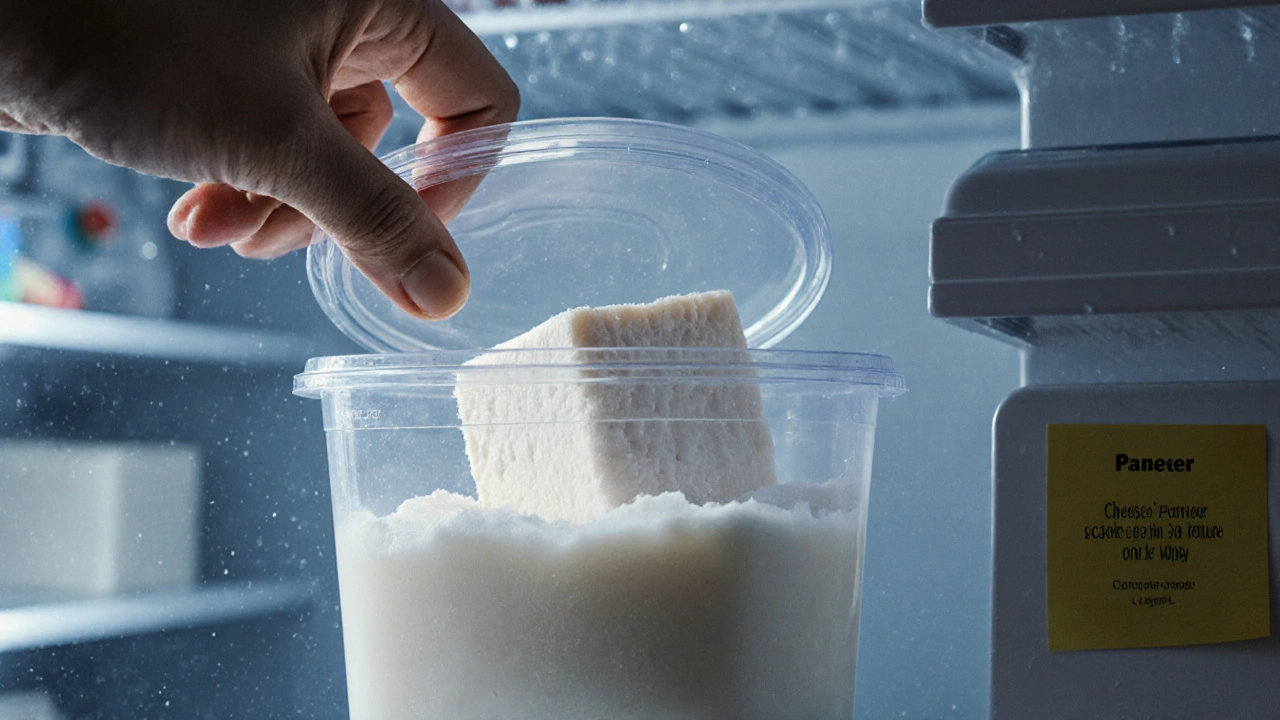
Hard paneer also lasts longer than soft paneer—up to a week in the fridge if stored in water. But if you’re planning ahead, freeze it. Frozen paneer gets a slightly grainier texture, but it’s still great for cooking. Just thaw it slowly in the fridge. And if you’re out of paneer? Try halloumi or firm tofu as substitutes, but know this: nothing quite matches the mild, milky bite of real Indian paneer.
Below, you’ll find real answers to the questions people actually ask: Can you use spoiled milk to make it? How long does it last? Why does it sometimes taste bland? Why do some recipes say to soak it before cooking? We’ve pulled together every practical tip, common mistake, and kitchen hack from real home cooks who’ve been there. No fluff. Just what works.