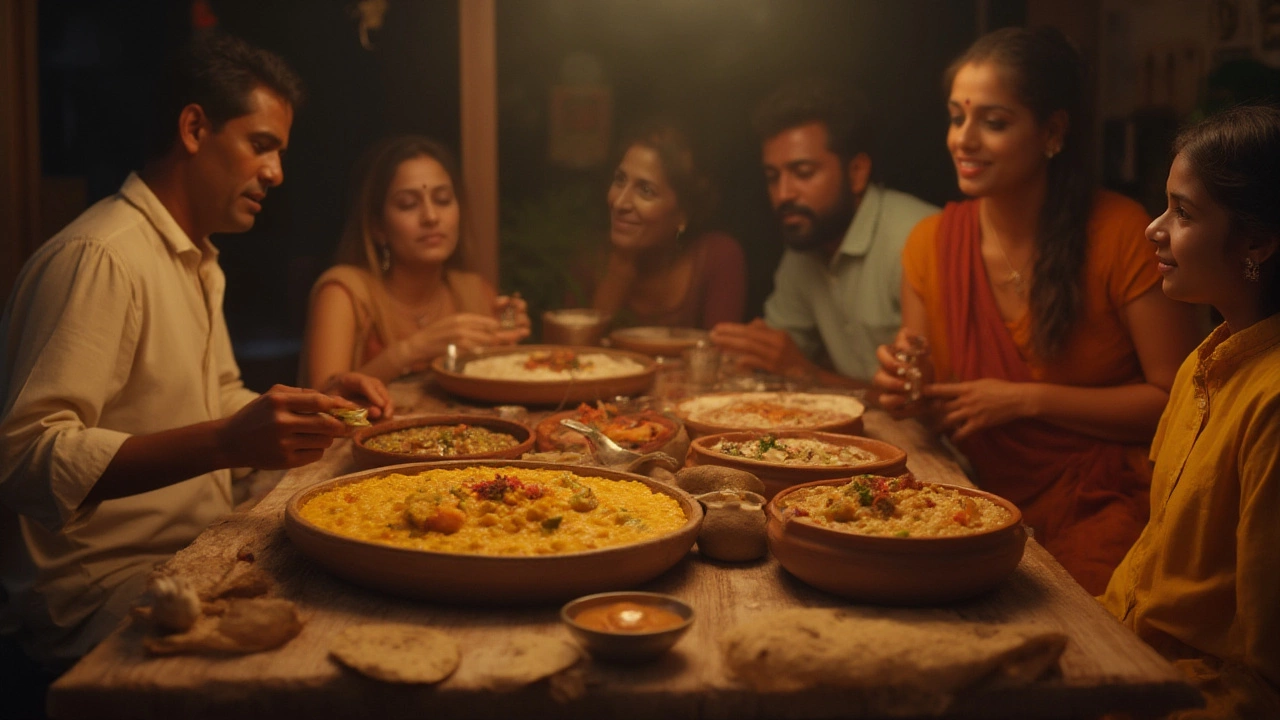
Healthy Dal Recipes: Nutritious Lentil Meals for Everyday Eating
When you think of healthy dal recipes, lentil-based dishes that are high in protein, fiber, and essential nutrients, often cooked with simple spices and minimal oil. Also known as lentil curries, they're a staple in Indian homes because they’re affordable, filling, and good for your gut. The truth is, not all dals are created equal. Some are loaded with fiber that keeps you full longer, others have more iron or folate, and a few can even help manage blood sugar. If you’re eating dal regularly, you want the ones that give you the most bang for your buck nutritionally.
Moong dal, a light, easy-to-digest yellow lentil often used in soups and khichdi, is one of the top choices for daily meals. It’s low in fat, cooks fast, and doesn’t cause bloating like some other dals. Then there’s chana dal, split chickpeas with a nutty flavor and twice the protein of rice—perfect for curries that stick to your ribs. Toor dal, the base of sambar and one of the most widely consumed dals in South India, brings a earthy depth and a solid dose of magnesium. These aren’t just flavors—they’re functional foods. And when you pair them with the right water ratio, soak them properly, or sprout them first, you unlock even more benefits: better digestion, fewer gas issues, and more nutrients your body can actually use.
What makes a dal recipe truly healthy isn’t just the lentil—it’s how you cook it. Skip the heavy cream and excess oil. Use tomatoes, onions, and turmeric for flavor and anti-inflammatory power. Add a pinch of cumin or asafoetida to reduce bloating. Don’t overcook it into mush—keep some texture. And yes, rinsing your dal matters. Not always, but often. It removes dust, debris, and sometimes even natural compounds that can interfere with digestion. The posts below give you real, no-fluff advice on which dals to choose, how to prep them, what spices to use, and how to fix common mistakes that turn healthy food into a stomachache. You’ll find simple swaps, cooking tricks, and science-backed tips that actually work in a busy kitchen. No theory. No fluff. Just what to do next time you open that bag of lentils.