Healthy Eating: Real Indian Foods That Actually Nourish You
When we talk about healthy eating, making food choices that support your body’s needs without extreme diets or deprivation. Also known as balanced nutrition, it’s not about avoiding carbs or cutting out dairy—it’s about choosing the right kinds, like nutritious dal, homemade chutney, and natural sweeteners that have been used for centuries in Indian kitchens. Most people think healthy eating means bland food or skipping flavors, but that’s not true here. Indian cooking has always been about using spices, legumes, and fermentation to make meals that are both tasty and good for you.
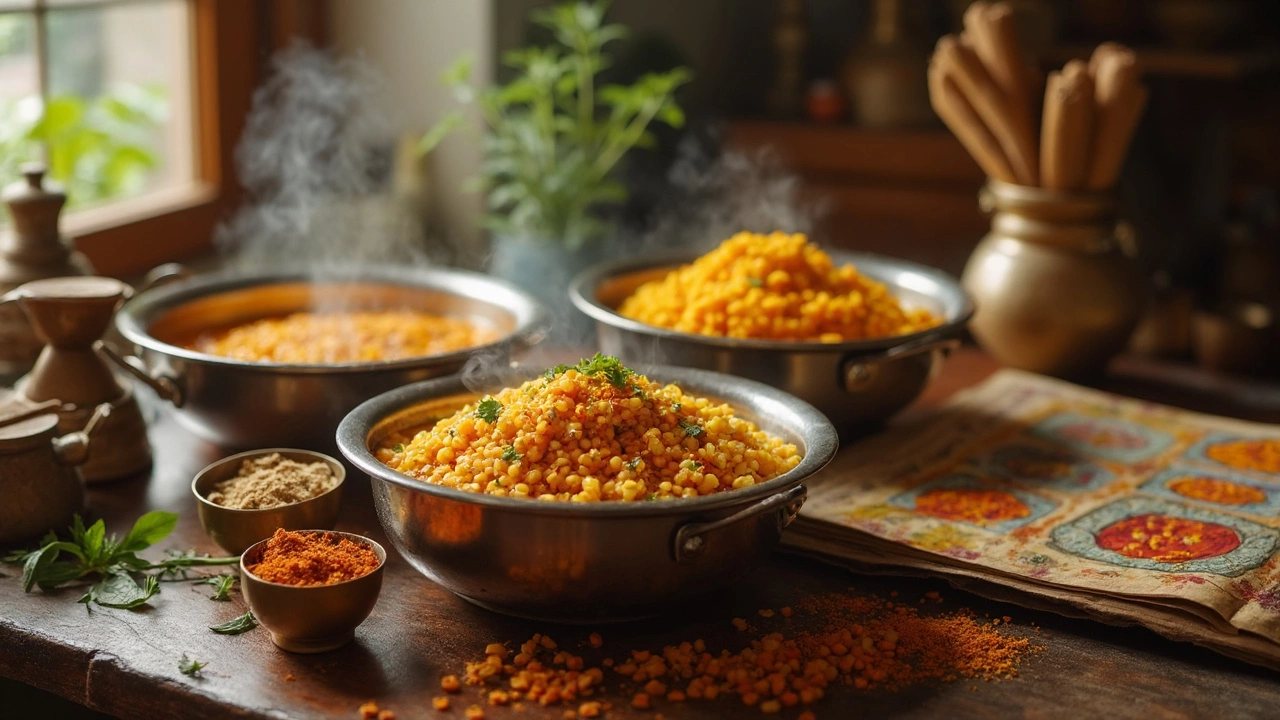
Take nutritious dal—it’s not just a side dish. Moong, chana, and urad dal are packed with protein and fiber, and when soaked and cooked right, they digest easily and keep you full longer. Skip the instant packets; real dal needs time, but it’s worth it. Then there’s homemade chutney. Unlike store-bought versions loaded with sugar and preservatives, traditional chutneys made from mint, tamarind, or coconut are alive with probiotics. They help your gut, boost immunity, and add punch to any meal without calories. And when it comes to sweets, you don’t need white sugar. Jaggery, honey, and coconut sugar have been used in Indian desserts for generations—they’re less processed, richer in minerals, and won’t spike your blood sugar like refined sugar does.
Healthy eating in India isn’t a trend. It’s a practice built on knowing what works. It’s about using slightly sour milk to make paneer instead of throwing it out, rinsing dal only when needed, and eating seasonal fruits like guava and oranges instead of chasing imported superfoods. It’s about understanding that eating dal at night might not suit your digestion, and that store-bought paneer often lacks the softness and nutrition of homemade. You don’t need fancy supplements or expensive superfoods. The answers are already in your spice rack and pantry.
Below, you’ll find real, practical advice from people who cook these meals every day. No fluff. No gimmicks. Just clear answers on what to eat, what to skip, and how to make Indian food work for your health—not against it.