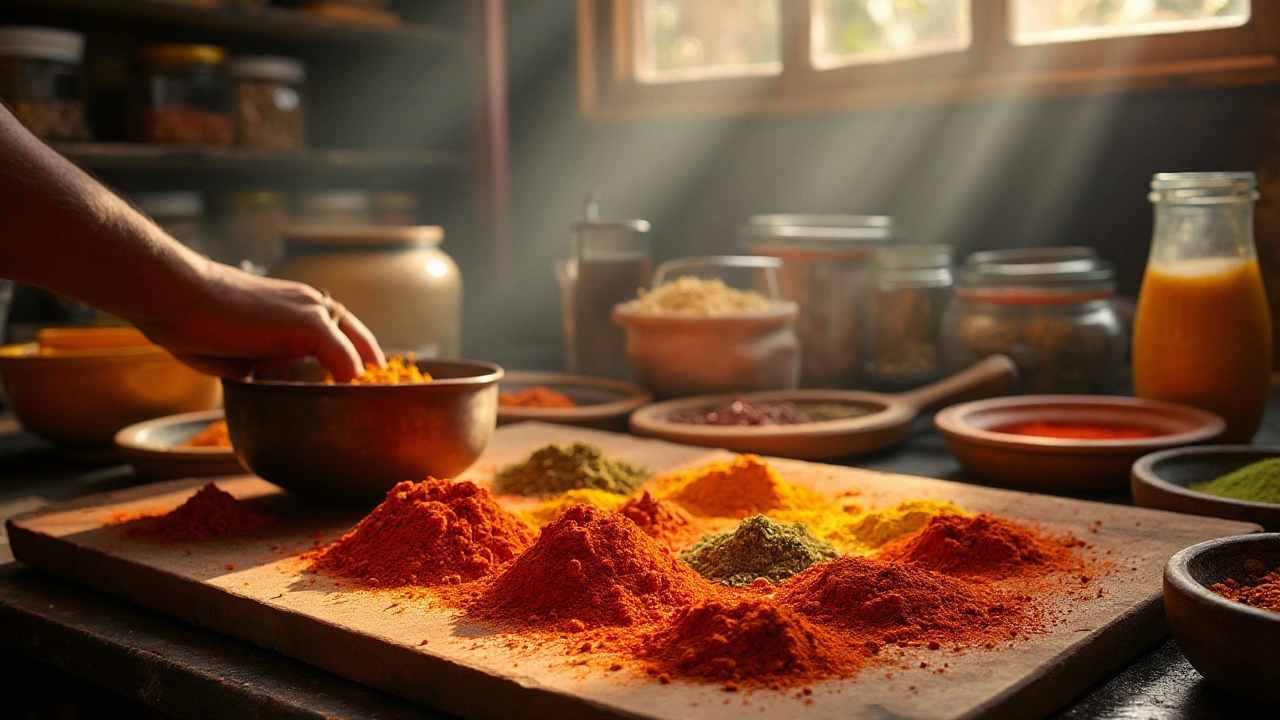
Homemade Tandoori Blend: Spice Mix for Authentic Indian Grills
When you think of homemade tandoori blend, a bold, smoky, tangy spice mix used to marinate chicken, paneer, or vegetables for high-heat cooking. Also known as tandoori masala, it’s the secret behind that deep red color and charred, aromatic flavor you get at Indian restaurants—but you don’t need a clay oven to make it. Most store-bought versions are filled with preservatives, artificial colors, and fillers. Making your own means you control the heat, the salt, and the balance of spices. And it’s cheaper, fresher, and way more flavorful.
A good tandoori spice mix, a blend of ground spices designed to penetrate meat and create a crust when grilled usually includes paprika for color, cumin and coriander for earthiness, garlic and ginger for punch, and a touch of chili for heat. Yogurt isn’t part of the blend itself, but it’s the carrier—it helps the spices stick and tenderizes the protein. You’ll also find amchoor (dry mango powder) or lemon juice to add that signature tang, and a pinch of kasuri methi (dried fenugreek leaves) for that unmistakable restaurant aroma. Skip the food coloring—real color comes from paprika and Kashmiri red chilies, not chemicals.
People often confuse tandoori masala, a dry spice blend used for marinating with garam masala, a warming spice blend added at the end of cooking. They’re not the same. Garam masala is sweet, floral, and used in curries. Tandoori masala is smoky, acidic, and meant to be rubbed on meat before grilling. One is for finishing, the other is for prepping. Mixing them up will mess up your dish.
You don’t need fancy tools. Just a coffee grinder, a bowl, and 10 minutes. Store your blend in an airtight jar away from light—it lasts months. Use it on chicken thighs, tofu, cauliflower, or even eggs. It’s not just for tandoori chicken. Try it on roasted veggies, grilled fish, or as a rub for lamb kebabs. The blend works because it balances heat, acidity, and depth. No single spice does it alone. It’s the combo that makes it stick to your ribs—and your memory.
What you’ll find below are real, tested ways to make this blend from scratch, fix common mistakes, and use it in ways you didn’t expect. Some posts show you how to adjust the heat for kids. Others explain why your chicken turns out dry (hint: it’s not the spice). There’s even one on how to make a vegan version without yogurt. No fluff. Just what works in a real kitchen, with real ingredients, on a real weeknight.