How to Cook Dal: Simple Methods, Common Mistakes, and Best Lentils
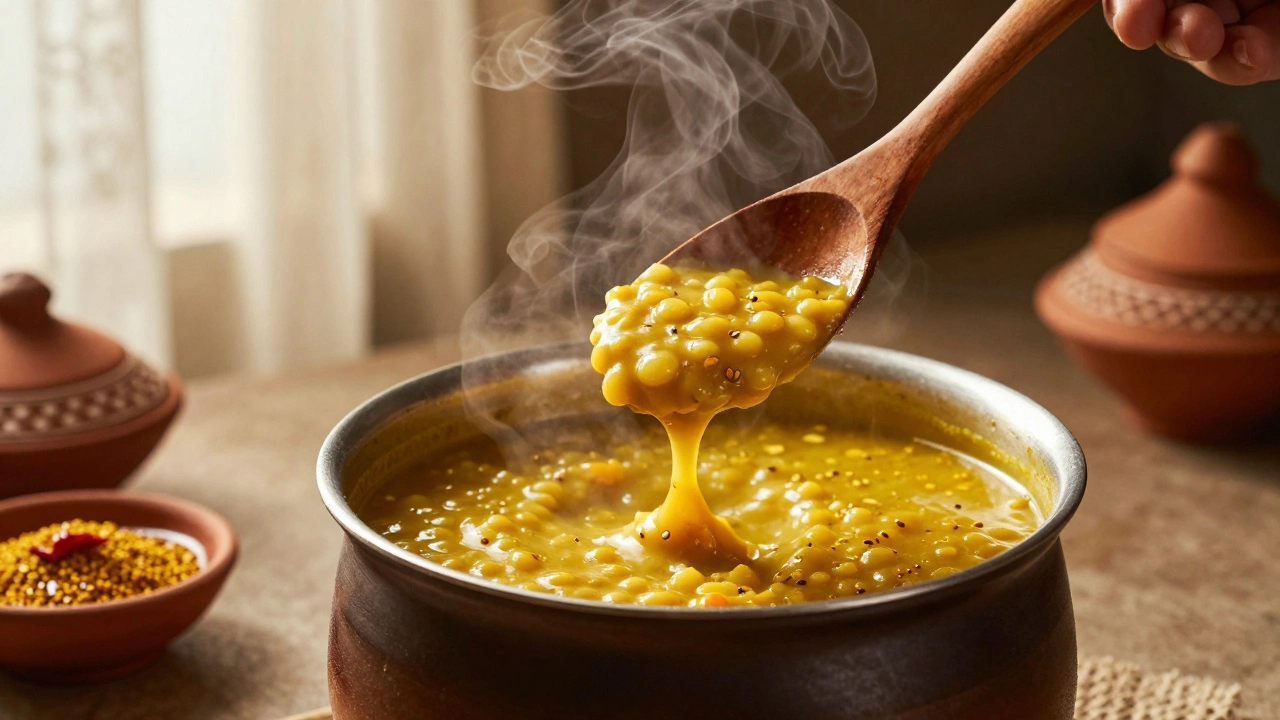
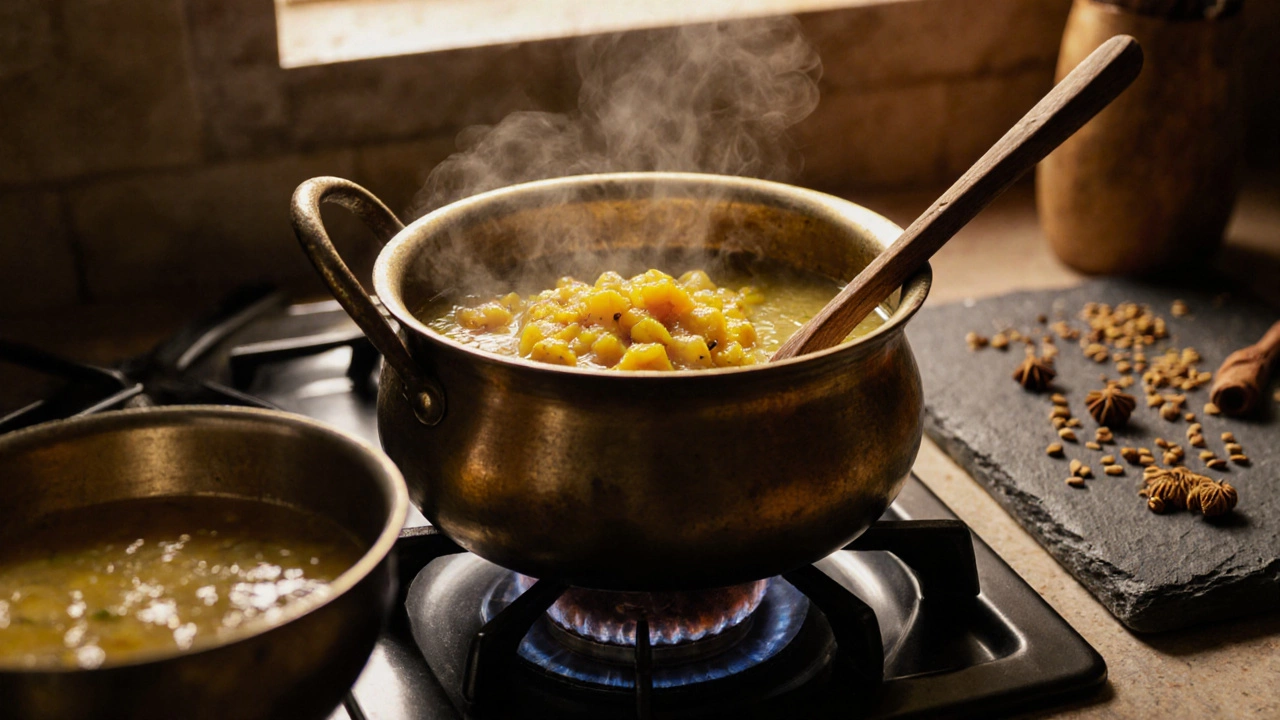
When you think of dal, a staple lentil dish in Indian households, often made from split peas, beans, or lentils and simmered with spices. It’s not just food—it’s comfort, tradition, and nutrition all in one pot. Also known as lentil curry, it’s eaten daily across India, from Mumbai kitchens to rural Punjab homes. But cooking dal isn’t as simple as boiling lentils. Do you rinse it? Should you cover it? Which type gives you the most protein without the gas? These aren’t just questions—they’re the difference between a bland bowl and a bowl that makes you want seconds.
Many people skip rinsing dal, a general term for dried, split legumes used in Indian cooking, including moong, toor, masoor, and chana dal. It’s fine if the dal looks clean, but if it’s dusty or has tiny stones, rinsing removes grit and reduces cooking time. Not rinsing won’t hurt you, but it can leave a gritty texture. Then there’s the cover debate: cooking dal covered or uncovered, a method that affects thickness, flavor concentration, and texture. Cover it for creamier dal, leave it open if you want to reduce liquid faster and deepen the spice flavor. And don’t forget soaking—pulses, dried legumes like lentils and chickpeas that require soaking before cooking to improve digestibility and reduce cooking time. Skipping this step means longer simmering and more bloating later.
Some dals are healthier than others. moong dal, a light, easily digestible yellow lentil rich in protein and fiber, often recommended for sensitive stomachs, is a top pick. toor dal, a staple in South Indian sambar, high in iron and folate, often used in everyday meals, holds up well in curries. Then there’s chana dal, split chickpeas with a nutty taste, packed with fiber and slow-digesting carbs. If you’re watching your sugar intake, these are better than refined carbs. And if you’ve ever felt bloated after eating dal, you’re not alone. dal gas, the common side effect of eating lentils due to oligosaccharides that gut bacteria ferment, can be reduced with soaking, sprouting, or adding asafoetida during cooking.
There’s no one-size-fits-all way to cook dal. It depends on the type, your stove, your taste, and even your digestion. That’s why the best guides don’t just tell you to boil it for 20 minutes—they explain why you should rinse it, when to add turmeric, how to fix watery dal, and which lentils to pick for energy without the crash. Below, you’ll find real, tested advice from people who cook dal every day—no fluff, no myths, just what works.