Indian Condiments: Essential Flavors, Uses, and Homemade Tips
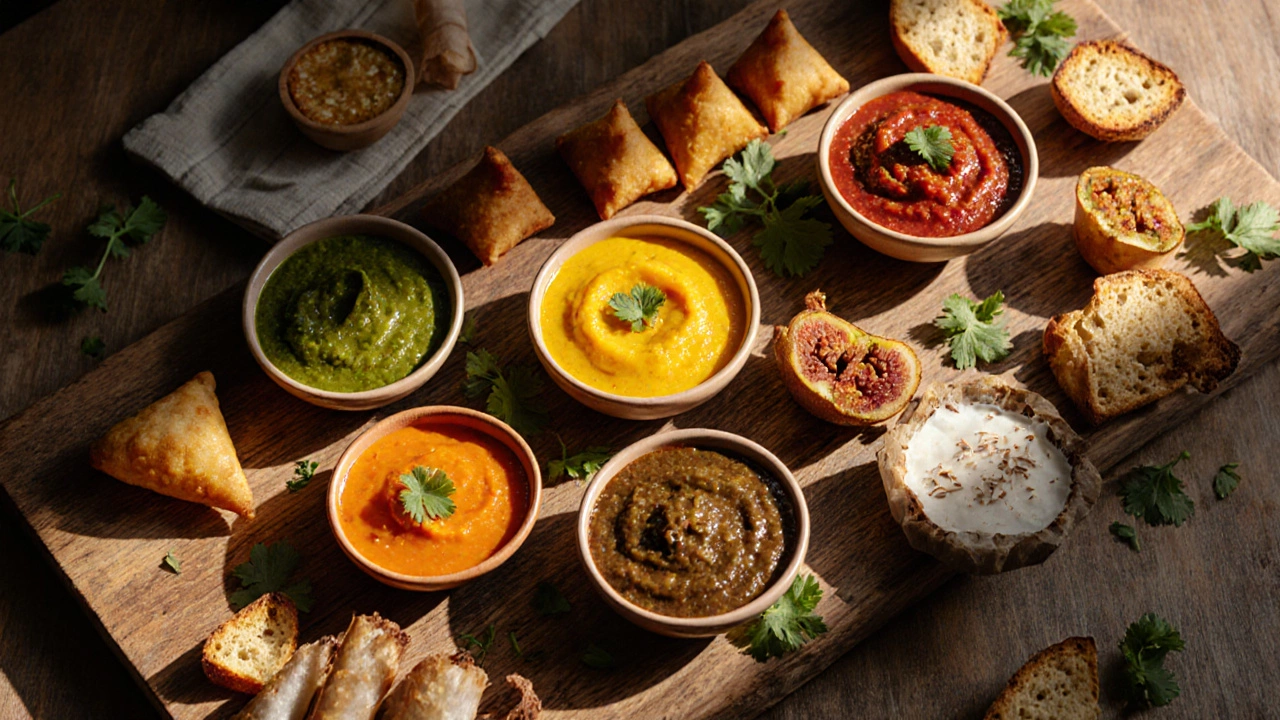
When you think of Indian food, you might picture rich curries or fragrant rice—but what truly ties every dish together are the Indian condiments, small but powerful flavor boosters that elevate meals from ordinary to unforgettable. Also known as accompaniments, these aren’t just side dishes—they’re the secret sauce behind balanced, layered taste in every bite. Whether it’s a dollop of cooling raita next to spicy biryani or a sharp mango chutney cutting through fried samosas, Indian condiments are the unsung heroes of the plate.
They fall into clear categories: chutneys, fresh or cooked blends of herbs, fruits, and spices, often served cold or at room temperature, like mint-coriander or tamarind; pickles, fermented or oil-preserved fruits and vegetables, packed with heat and tang, such as lime or mango achar; and raita, yogurt-based sides with cucumber, onion, or boondi, used to soothe spice. Then there are spice pastes—like garlic-chili paste or roasted cumin powder—that get stirred into dal or rice for instant depth. These aren’t optional garnishes. They’re functional. They balance heat, cut richness, aid digestion, and preserve food without refrigeration.
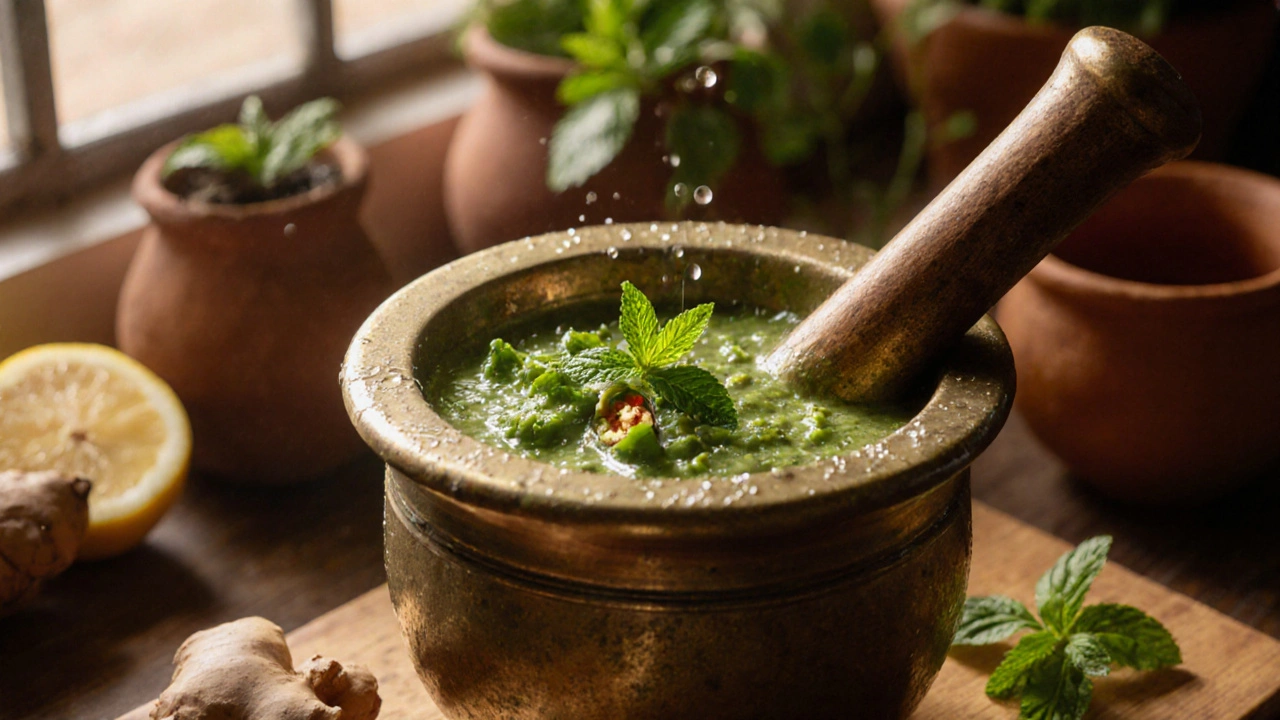
What makes Indian condiments special isn’t just their taste—it’s how they’re made. Many are homemade, using seasonal ingredients and traditional methods passed down for generations. A jar of pickle can last a year. A bowl of chutney can transform leftovers into a new meal. You don’t need fancy tools—just a mortar and pestle, a jar, and patience. Even store-bought versions often rely on the same core flavors: mustard seeds, fenugreek, asafoetida, and jaggery. And while global supermarkets now carry bottled chutneys, nothing beats the fresh punch of homemade.
These condiments aren’t just for Indian meals, either. A spoonful of coconut chutney on toast? Surprisingly good. Tamarind pickle with scrambled eggs? A flavor explosion. They’re portable, shelf-stable, and pack more taste per teaspoon than most sauces. If you’ve ever wondered why Indian food feels so complete, even when simple, the answer is in these small jars on the side.
Below, you’ll find real, practical posts that break down exactly how to make, use, and fix common problems with these essentials. From why your chutney turns brown to whether store-bought pickle is safe, we cover the questions you actually ask in the kitchen. No fluff. Just what works.